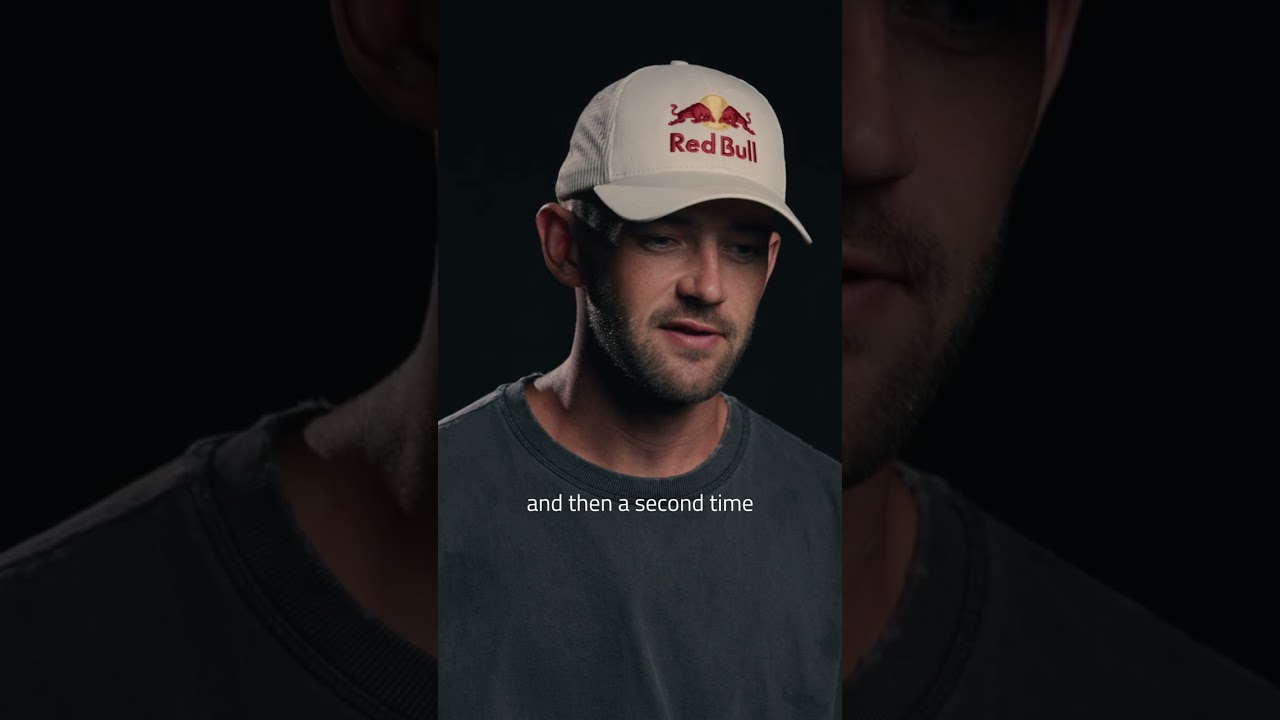
In the world of endurance sports, transitioning from short course to long course racing can be a daunting yet exhilarating experience. In the latest episode of "IRONMAN Insider," Solveig Løvseth shares her journey through this transition, highlighting her recent races in Hamburg and Lake Placid. As she delves into the nuances of competitive dynamics, nutrition, and mental resilience, athletes—both seasoned and amateur—can glean valuable insights to enhance their own racing strategies. This article expands on the key themes from the episode, offering practical advice that can help you thrive in your next IRONMAN event.
The Transition from Short Course to Long Course Racing
Solveig Løvseth’s shift from short course racing to long course events marks a significant evolution in her athletic journey. While short course racing typically demands explosive speed and quick recovery, long course events require a different approach, emphasizing endurance, pacing, and strategy. This transition can be challenging; athletes must adapt their training regimens to accommodate longer distances and the unique demands of IRONMAN races.
The mental shift is perhaps the most significant aspect of this transition. Athletes must cultivate a mindset that embraces endurance over speed, focusing on maintaining a sustainable pace throughout the race. This includes understanding one's own body signals and managing energy expenditure strategically over the course of a multi-hour event. Solveig’s experiences serve as a testament to the importance of mental preparation in navigating this shift.
Moreover, understanding the race dynamics in long course events is crucial. Unlike short course races, which often feature pack riding and drafting, long course racing typically involves solo efforts and strategic pacing. Athletes must learn to navigate the mental challenges of long distances, including overcoming fatigue and maintaining focus, especially in the latter stages of the race. Solveig’s insights into these dynamics provide valuable lessons for anyone considering a similar transition.
Insights from Hamburg and Lake Placid
Competing in both Hamburg and Lake Placid provided Solveig with contrasting experiences that highlight the complexities of long course racing. Hamburg, known for its vibrant atmosphere and competitive field, presented a different set of pressures compared to the more rugged and scenic terrain of Lake Placid. Each race demanded unique strategies, particularly in terms of pacing and nutrition.
In Hamburg, the flat course layout allowed for faster times, but it also necessitated a keen awareness of the competition. Athletes had to balance their efforts to stay competitive while managing their energy for the entire race. Conversely, Lake Placid’s challenging hills tested both physical strength and mental fortitude, requiring athletes to adjust their strategies based on the terrain and weather conditions.
The different race environments also influenced Solveig’s nutritional strategies. In Hamburg, she focused on quick, easily digestible energy sources to maintain her pace, while in Lake Placid, she opted for more substantial fuel to sustain her over the longer climbs. These experiences underscore the importance of tailoring nutrition to specific race conditions and personal needs, a key takeaway for any endurance athlete.
The Role of Nutrition in Endurance Racing
Nutrition plays a pivotal role in endurance racing, and Solveig emphasizes its significance throughout her training and competition. Proper fueling strategies can make or break an athlete's performance, particularly in long course events where energy depletion can lead to fatigue or even failure to finish. Solveig advocates for a balanced diet rich in carbohydrates, proteins, and healthy fats to ensure optimal performance.
During her races, Solveig incorporates a mix of solid foods and sports drinks to maintain energy levels. For instance, she might consume energy gels or bars every 30 to 45 minutes, paired with electrolyte drinks to replenish lost minerals. This approach not only keeps her energy levels stable but also helps prevent gastrointestinal distress, a common issue among endurance athletes.
Moreover, Solveig highlights the importance of pre-race nutrition. A well-planned meal prior to competition—typically rich in carbohydrates and low in fiber—can establish a solid energy foundation. Athletes should experiment during training to determine what works best for their bodies, ensuring they are well-fueled and ready to tackle the demands of a long course race.
Mental Resilience in Endurance Sports
Mental resilience is a cornerstone of success in endurance sports, and Solveig Løvseth’s journey illustrates this concept beautifully. The ability to push through physical discomfort and mental fatigue is what separates elite athletes from the rest. In her discussions, she emphasizes techniques such as visualization, positive self-talk, and setting incremental goals to maintain focus and motivation throughout a race.
Visualization, in particular, is a powerful tool. By mentally rehearsing the race course, athletes can prepare themselves for the challenges they will face, from the intense climbs to the tiring stretches of road. This mental practice can reduce anxiety and increase confidence, making it easier to perform under pressure.
Additionally, cultivating a growth mindset helps athletes embrace challenges as opportunities for improvement rather than setbacks. Solveig’s experiences reflect this philosophy, as she views each race as a learning opportunity. By analyzing her performances and adjusting her training accordingly, she exemplifies how mental resilience can lead to continuous growth in the competitive landscape of IRONMAN racing.
Camaraderie Among Athletes
One of the most rewarding aspects of participating in endurance events is the camaraderie that develops among athletes. Solveig notes that despite the competitive nature of races like IRONMAN, there exists a strong sense of community among participants. This camaraderie is evident in shared experiences, whether it's training together or supporting one another during races, creating an environment where athletes uplift each other.
During training, athletes often form bonds that transcend competition. This support system can be crucial, especially when preparing for long course events that require extensive training hours. Training partners provide motivation, accountability, and companionship, making the arduous process more enjoyable and less isolating.
Furthermore, this sense of community extends beyond individual athletes. Events like the IRONMAN series foster a culture of encouragement and shared goals, where competitors cheer for each other, recognizing the immense effort involved in completing such challenging races. Solveig's reflections on this aspect highlight the importance of fostering relationships that can enhance the overall experience of endurance racing.
Goals for the Upcoming World Championships
As Solveig prepares for the upcoming World Championships, her focus sharpens on achieving her personal best while navigating the competitive landscape. Setting specific, measurable goals is crucial in this phase of her training. Whether it’s improving her swim split, achieving a target bike power output, or maintaining a specific run pace, these benchmarks guide her training and performance strategy.
Part of her preparation also involves careful planning around race day logistics, from nutrition to pacing strategies. Understanding the course layout and environmental conditions allows her to tailor her approach, ensuring she maximizes her strengths while addressing potential weaknesses. This level of detailed preparation is essential for any athlete aiming to excel in high-stakes competitions.
Moreover, Solveig emphasizes the importance of mental preparation as she approaches the World Championships. Visualizing success, familiarizing herself with the competition, and employing relaxation techniques can play a significant role in her race-day performance. By focusing on both physical and mental readiness, she sets herself up for a strong performance in a highly competitive field.
Advice for Amateur Athletes Preparing for Their First IRONMAN
For amateur athletes gearing up for their first IRONMAN, Solveig offers invaluable advice drawn from her own experiences. First and foremost, she emphasizes the importance of a well-structured training plan that balances endurance, strength, and recovery. Gradually increasing training volume while allowing time for recovery is critical to avoid injury and burnout.
Nutritional strategies are equally important for first-time IRONMAN participants. Solveig advises athletes to practice their fueling strategies during long training sessions to determine what works best for their bodies. This experimentation can help prevent gastrointestinal issues on race day and ensure sustained energy levels throughout the event.
Lastly, Solveig encourages amateur athletes to embrace the journey. Training for an IRONMAN is a monumental commitment, but it is also an opportunity for personal growth and discovery. By focusing on the process rather than solely the outcome, athletes can enjoy the ride and celebrate their achievements, no matter how small, along the way.
Watch the Full Video
Watch the complete video above for the full breakdown. For more endurance content, explore our latest articles, browse upcoming events, or discover athlete profiles on EnduranceFinder.