Oneness Generation is launching its inaugural Youth Summer Camp, a 10-day residential retreat (May 4–13, 2025) for young people aged 12–24. The program combines meditation, mindfulness, yoga, nature immersion, and community engagement to build emotional intelligence, resilience, and self-awareness. Rather than a conventional summer schedule, participants step into an intentional environment designed to deepen introspection, peer connection, and mental-emotional skill-building through structured practices and experiential learning.
What Is the Oneness Generation Youth Summer Camp?
The Oneness Generation Youth Summer Camp represents the first structured retreat offering from the Oneness Movement specifically designed for younger participants. Held May 4–13, 2025, the 10-day program targets young minds and hearts aged 12 to 24, a developmental window in which self-discovery practices and emotional resilience-building can have significant impact. The camp positions itself not as entertainment or typical vacation programming, but as an intentional reset—an alternative to digital distraction and routine that invites participants to examine their inner worlds, develop deeper emotional awareness, and forge meaningful connections with peers who share an interest in personal growth.
What Core Practices Are Included in the Program?
The camp curriculum weaves together multiple modalities recognized in contemplative and developmental psychology:
- Meditation and Mindfulness: These foundational practices train attention, reduce anxiety, and cultivate present-moment awareness. For young people navigating academic pressure, social complexity, and identity formation, regular meditation builds neurological resilience and emotional regulation.
- Yoga: Physical practice alongside breathwork creates embodied awareness and helps young participants understand the mind-body connection. This addresses the common dissociation many youth experience in screen-heavy environments.
- Nature Immersion and Trekking: Outdoor experiences restore nervous system balance and provide a counterbalance to indoor, digital life. Nature exposure also shifts perspective and reduces psychological overwhelm.
- Cultural Engagement: Community-focused activities and cultural immersion encourage participants to move beyond self-absorption into broader social awareness and connection.
How Does Emotional Intelligence Development Fit Into the Camp Structure?
The program explicitly emphasizes emotional intelligence—the capacity to recognize, name, and work skillfully with emotions in oneself and others. For teenagers and young adults, this is often a gap in conventional education. The camp appears to address this through meditative and reflective practices that strengthen self-awareness, and through group settings that naturally generate opportunities for interpersonal learning. When young people sit together in meditation or process experiences in community, they develop insight into emotional patterns, witness how others handle difficulty, and practice authentic communication. These are skills rarely taught in classrooms but fundamental to mental health and relational competence.
What Role Does Community Building Play?
A significant aim of the camp is "cultivating deeper connections with peers and local communities." This addresses a widespread issue among contemporary youth: despite unprecedented digital connectivity, many experience isolation and shallow peer relationships. The 10-day immersive format creates conditions for genuine connection—shared meals, group practice, outdoor challenges, and reflective spaces where young people can be seen and heard. Local community engagement adds another dimension, moving beyond peer bonding into a broader understanding of interdependence and social responsibility. This intergenerational and community-oriented approach aligns with what developmental psychology suggests: adolescents and young adults thrive when embedded in supportive, purposeful communities.
Who Are the Facilitators and What Is Their Background?
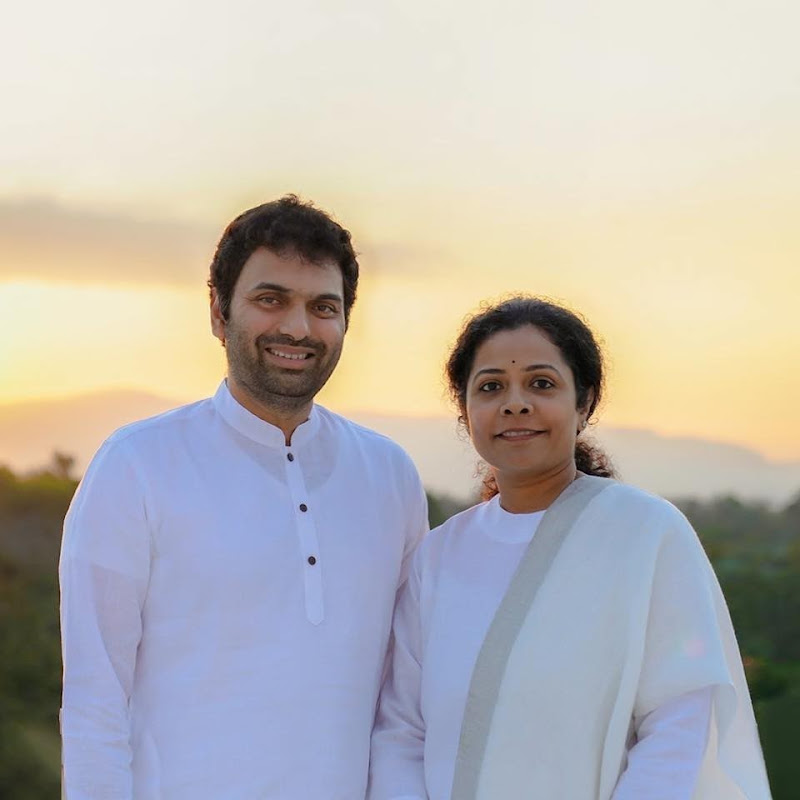
The camp is offered by the Oneness Movement, led by Sri Preethaji and Sri Krishnaji. The Oneness Movement operates from a framework that integrates meditation, self-inquiry, and community transformation. While the video does not provide detailed facilitator bios, the movement's approach emphasizes direct experience and inner exploration rather than dogmatic teaching, making the retreat likely to focus on experiential learning and participant-led discovery alongside guided instruction.
What Is the Practical Structure and Logistics?
The camp runs May 4–13, 2025, indicating a full residential experience with structured daily schedules. The program requires registration through the Oneness India portal (zohobackstage.in), and accommodation details are provided via a Google Maps link. This attention to logistics suggests a professionally organized retreat. The 10-day length is significant—long enough for participants to move through initial adjustment, deepen practice, and integrate new skills before returning home. The age range (12–24) is broad, spanning pre-teens through emerging adults, which implies age-appropriate programming or mixed-age communities designed to facilitate cross-generational learning.
How Does This Camp Address Gaps in Conventional Youth Development?
Standard schooling prioritizes academic content and technical skills. Mental health support, contemplative training, and community building often fall to the margins. This camp fills that gap by positioning meditation, emotional awareness, and peer connection as central rather than supplementary. For a young person navigating identity questions, social anxiety, or simply the pressure of modern life, a structured 10-day environment focused on inner work and authentic relationship offers something most families cannot provide alone. The blend of structured practice (yoga, meditation) with unstructured community time (meals, nature, cultural engagement) creates conditions for organic learning and genuine peer bonding.
What Outcomes Might Participants Expect?
The program description mentions giving participants "the ultimate reset"—a shift away from routine and distraction into clarity and self-knowledge. Concrete outcomes likely include improved emotional regulation, reduced anxiety, stronger peer relationships, renewed sense of purpose, and practical meditation skills they can continue using at home. Less quantifiable but equally important: participants often report feeling "seen" and validated in retreat settings, gaining a sense of belonging to a larger movement of conscious young people, and experiencing their own inner capacity for peace and insight. Such experiences can be stabilizing during volatile developmental periods.
Why Does the Oneness Movement Emphasize Youth Engagement?
A movement built on inner transformation and social consciousness naturally focuses on younger people—the generation shaping future culture and policy. By reaching young minds during formative years, the Oneness Movement invests in long-term shifts in collective consciousness and resilience. Young people who develop meditation and emotional skills now are more likely to make wise decisions, support others through difficulty, and contribute to more compassionate communities. This is consistent with how contemplative traditions have always valued education and youth mentorship as essential to cultural renewal.
Where to Go From Here
If you or a young person in your life is interested in joining the camp, registration is open at onenessindia.zohobackstage.in/YouthCamp. The camp dates are May 4–13, 2025, and slots are likely to fill as the date approaches. Beyond this specific offering, the emergence of such programs reflects broader recognition that young people need structured space for inner work, peer learning, and authentic mentorship—not as therapy, but as normal developmental support. Whether you attend this camp or another, seeking out contemplative communities and practices during adolescence and young adulthood can significantly shape resilience, self-understanding, and relational capacity for decades to come.