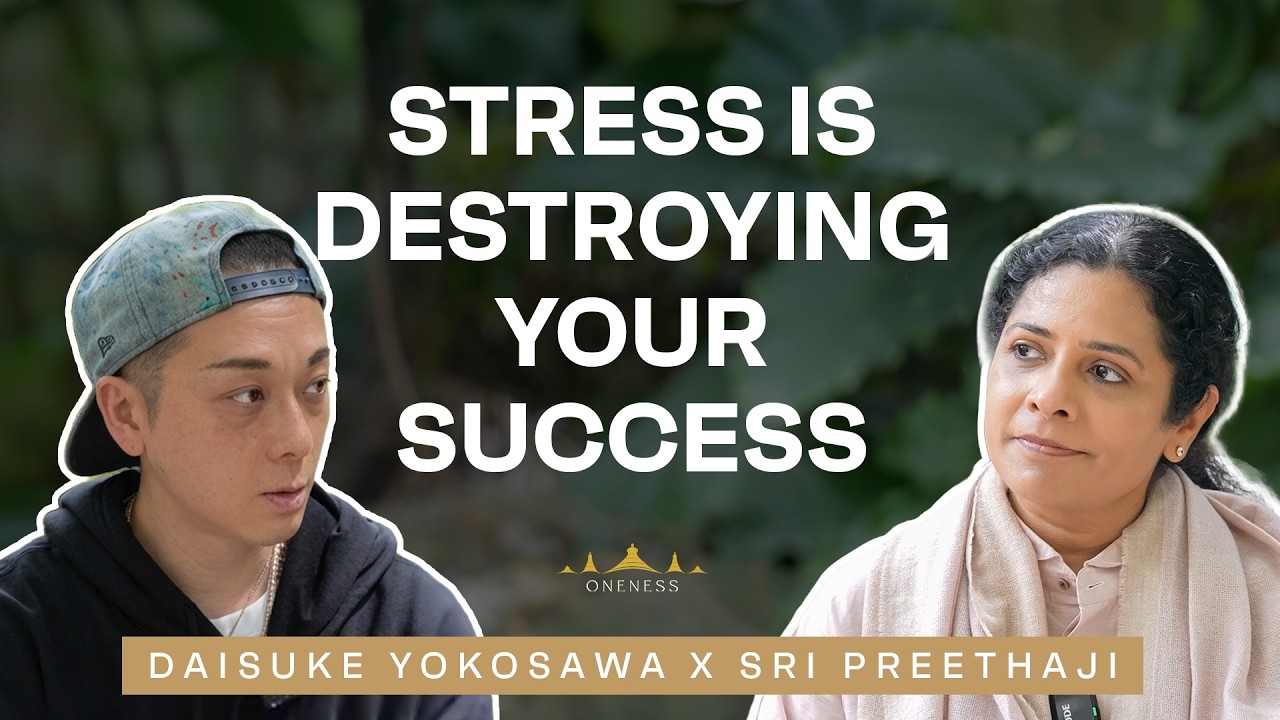
True love is fundamentally a quality of presence rather than pursuit. Rather than chasing or trying to win someone's heart through external effort, genuine connection arises when both people are fully attentive, truly there with each other in the moment. This shift from doing to being transforms how relationships function at their core.
What Does "True Love" Actually Mean?
The conventional narrative about love often centers on pursuit: the chase, the conquest, the grand gesture designed to "win" someone's affection. Movies, songs, and cultural stories reinforce the idea that love is something you pursue externally—you do things to make someone fall for you, you prove your worth through action and persistence.
Sri Preethaji and Sri Krishnaji point to something fundamentally different. True love, in their framing, is not located in the chase at all. It isn't about what you do for the other person or how hard you try to capture their attention. Instead, true love is the quality of presence you bring to the interaction itself. It's about being there—fully, completely, without distraction or hidden agenda.
This reframes love as a state of being rather than a state of doing. When you are truly present with another person, you are offering them your full attention, your awareness, your consciousness itself. That presence is what creates authentic connection.
How Does Presence Create Connection?
Presence, in this context, means you are not mentally elsewhere. You are not thinking about yourself, your insecurities, your fears about whether you're good enough. You are not performing or trying to impress. You are simply there—witnessing the other person, listening deeply, aware of their energy and their needs in the moment.
When two people meet in that quality of presence, something shifts. Connection is no longer something you have to create through effort or strategy. It naturally emerges. Why? Because presence is rare, and people feel it profoundly when they encounter it. When someone is truly with you—not distracted by their phone, not mentally planning their next response, not thinking about how they appear—you feel seen and met in a way that most people never experience.
This is different from love as emotion or love as behavior. A person can perform loving behaviors—buy gifts, say loving words, make grand plans—while their consciousness is absent, divided, or self-focused. That creates confusion and instability in relationships. But when presence is the foundation, even simple moments become profound. A conversation, a meal together, sitting in silence—these become spaces where genuine connection happens because both people are actually there.
Why Is Presence More Powerful Than Pursuit?
Pursuit, by its nature, implies a lack. If you're pursuing someone, you're suggesting that they are not yet with you, that something is missing that you need to close the gap on. This dynamic creates a particular energy in the relationship: yearning, striving, an undertone of "not enough" or "not yet complete."
Presence, by contrast, implies wholeness and availability right now. When you are fully present, you are not coming from lack. You are offering the richness of your actual consciousness, your actual attention. This shifts the energy entirely. The other person doesn't feel like a project to be won or a goal to be achieved. They feel appreciated, met, and valued simply for being themselves in that moment.
In relationships built on presence rather than pursuit, there is also less room for projection. When you're truly paying attention to someone, you see who they actually are rather than who you want them to be or who you imagine them to be. This clarity strengthens real intimacy because it's based on actual knowing rather than fantasy.
What Gets in the Way of Being Present?
Most people struggle with presence in relationships because they are caught in their own internal narrative. Self-doubt, the need to be liked, the desire to control how you're perceived—these all create a divided attention. Part of you is with the other person, but another part is watching yourself, evaluating yourself, worrying about the impression you're making.
This self-focus is often conditioned early in life. Many people learned that love was conditional, that they had to earn it through performance or achievement. That conditioning creates a habit: even in intimate moments, part of your consciousness remains vigilant, checking whether you're doing it right, whether you're lovable.
Technology and constant distraction also fragment our capacity for presence. The habit of checking a phone, of partial attention, rewires the brain toward divided consciousness. Bringing full presence to another human becomes a deliberate practice, something that requires intentional choice in a world designed to scatter attention.
How Can Presence Transform a Relationship?
When both people in a relationship commit to presence, several things shift. First, communication becomes clearer and more honest because both people are actually listening rather than waiting to speak. Second, conflicts become easier to navigate because the underlying feeling of being truly met creates safety. Third, intimacy deepens naturally because being fully seen and fully seeing another person is the deepest form of intimacy available.
Presence also reduces anxiety and insecurity in relationships. When you know the other person is actually there with you—not distracted, not thinking about someone else, not on their phone—you feel secure in a way that no amount of reassurance or promises can create. The security comes from the actual experience of being attended to.
Over time, a relationship built on presence becomes increasingly stable and nourishing. There's less drama because drama often arises when people are not truly seeing each other and misinterpret actions or words. There's more joy because shared moments of presence are inherently joyful. And there's a sense of mutual growth because being truly with someone often invites both people to become more conscious, more aware, more authentic.
Is Presence a Skill or a State?
Presence can be understood both ways. As a skill, it can be developed and strengthened through practice. Meditation, mindfulness, and deliberate conversation exercises all build the capacity to be present. As a state, it's also something that can be accessed naturally when you let go of self-consciousness and the need to control outcomes.
Many spiritual traditions emphasize presence as the path to both inner peace and relational harmony. When you're fully present, there's no room for anxiety about the future or regret about the past. There's no room for self-judgment. There's only the actual experience unfolding right now.
In relationships, this means you're not trying to be a certain way—trying to be the perfect partner, the most attractive, the most successful. You're simply showing up as you are, fully aware and available. Paradoxically, this authenticity is what actually draws people in and creates lasting love. People don't want to be loved by a performance; they want to be loved by a person.
Where to go from here
If this framework resonates, consider experimenting with it in your own relationships. Choose one person—a partner, friend, or family member—and practice five to ten minutes of genuine presence with them. Put away distractions. Notice when your mind pulls you into self-evaluation or planning what to say next, and gently return attention to actually being with them. Notice what shifts.
You might also explore meditation or other presence-building practices that help train your consciousness to be less fragmented. The ability to be present with yourself is foundational to being present with others. As you deepen that capacity, you'll likely notice your relationships shifting naturally. Connection becomes easier, less effortful, and more genuine. And that presence itself is the expression of true love.