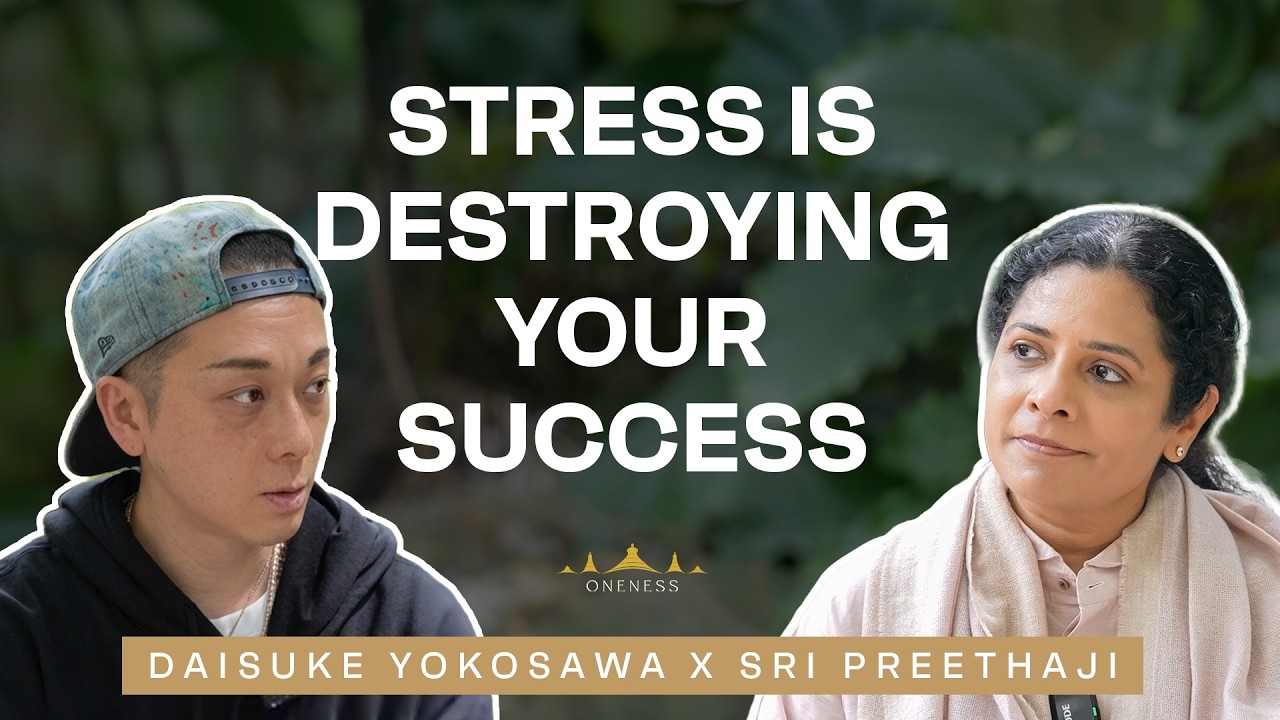
This teaching examines how disconnection from oneself and others becomes a cost regardless of external success or failure. Whether someone achieves their goals or falls short, the absence of inner peace and genuine connection creates suffering, loneliness, and existential pain. True wellbeing emerges not from achievement alone, but from cultivating awareness of one's inner state and fostering authentic relationships with others.
What Does Disconnection Really Cost?
In modern life, the pursuit of success often overshadows attention to inner state and relational quality. Yet the Oneness Movement teaching suggests that achievement without connection becomes a hollow victory. A person may reach professional milestones, accumulate resources, or attain social status, yet find themselves profoundly isolated and anxious. Similarly, those who face setbacks or failures without inner resources experience compounded suffering—not just the failure itself, but the inability to weather it with equanimity or support.
The cost of disconnection is multifaceted. It appears as psychological loneliness despite being surrounded by people, as an inability to find meaning in accomplishment, as anxiety that no amount of external validation resolves. When someone is disconnected from their own interior life—their values, emotions, and authentic desires—they become reactive rather than responsive. They pursue what they believe they should want rather than what genuinely nourishes them. This misalignment between outer pursuit and inner truth creates persistent friction.
Why Both Success and Failure Become Painful Without Connection
The teaching points to a paradox: both paths—achievement and non-achievement—can lead to loneliness and pain if traveled without connection. This suggests that the problem is not the outcome itself, but the quality of presence brought to the experience. Someone who achieves their goals while disconnected from themselves may feel empty, wondering why the prize they worked toward failed to satisfy. There is no inner resource to metabolize the achievement into genuine fulfillment.
Conversely, someone who experiences failure or setback without connection to a sense of self-worth, purpose, or supportive relationships faces magnified despair. The failure becomes totalized—not a temporary circumstance but evidence of fundamental unworthiness. Without inner anchoring, external circumstances determine emotional state entirely.
What Is Inner Peace in This Context?
Inner peace, as referenced here, is not passivity or avoidance of life's challenges. Rather, it appears to mean a baseline stability of consciousness—an ability to remain present with difficulty, to access one's own wisdom, to trust in one's capacity to navigate change. When someone has cultivated this inner peace, success becomes a natural expression of their efforts rather than a desperate validation, and failure becomes a learning event rather than an identity crisis.
This peace emerges through honest self-awareness. It requires noticing one's own emotional patterns, beliefs about worth, and habitual reactions without judgment. It means distinguishing between the voice of authentic desire and the voice of conditioning—what you actually value versus what you were taught to value. Without this discernment, people unknowingly chase achievements that will never satisfy their deeper nature.
How Does Disconnection Create Loneliness Amid Achievement?
Disconnection can manifest as a subtle but pervasive state: reaching a goal while feeling that nobody truly knows you, or that your accomplishment rings hollow because it was driven by fear or external pressure rather than genuine aspiration. When someone achieves success while disconnected from their core self, they often experience what might be called existential loneliness—the ache of being successful on the outside while feeling empty within.
Additionally, disconnection from others creates relational isolation. A person may have colleagues, social contacts, or family, yet lack genuinely intimate or authentic connections. When achievement is pursued at the expense of relationship—when people are treated instrumentally rather than honored as beings—the victor stands alone. There is no one to genuinely celebrate with, no one who knows the real person beneath the accomplishment.
Can Connection Be Cultivated Even During Difficulty?
The teaching implies that connection is both a practice and an orientation available in any circumstance. Someone facing setback or loss can still access connection to themselves—by feeling their emotions fully, by honoring their own needs, by refusing to internalize failure as worthlessness. They can simultaneously reach toward connection with others—by being honest about struggle, by receiving support rather than maintaining a facade, by recognizing that difficulty is a shared human experience rather than proof of individual inadequacy.
This kind of connection becomes most valuable precisely when circumstances are difficult. In hardship, the absence of connection compounds pain; the presence of connection—whether to one's own resilience or to trusted others—makes difficulty bearable.
What Is the Practical Implication for Daily Life?
If both success and failure can become painful without connection, the practical priority shifts. Rather than optimizing for achievement alone, this teaching suggests optimizing for connection first. This means regularly checking in with one's own inner state: What do I actually want? What am I afraid of? What values am I honoring or compromising? It means investing in relationships that are authentic rather than transactional, where vulnerability and mutual care matter more than status or utility.
It also means redefining success itself. True success, in this framework, includes the quality of presence and connection brought to the pursuit. A modest achievement pursued with integrity and joy, in service to authentic values, in the presence of meaningful relationships, becomes far more valuable than a grand achievement pursued in isolation and fear.
Where to go from here
Consider where in your own life disconnection may be creating suffering. Are there areas where you are achieving externally but feeling empty internally? Are there goals you're pursuing because you believe you should rather than because they truly matter to you? Identify one relationship that could deepen with more authenticity, and one practice of self-awareness—whether journaling, meditation, or honest reflection—that could strengthen your inner peace. The Oneness Movement teaching suggests that these inner and relational investments are not luxuries competing with success, but foundational to any success that actually fulfills.