SportsCampFinder

Browse All Camps

Find the perfect camp for your athlete

camps

Basketball Camps
Soccer Camps
Baseball Camps
Football Camps
Volleyball Camps
Lacrosse Camps
Multi-Sport Camps
Elite Training
Overnight Camps
Day Camps
Popular Destinations
BaliSedonaLos AngelesCosta RicaNew YorkSan FranciscoAustinMiamiJoshua TreeTulum
View All CategoriesView All Destinations

Explore All Features

Powerful tools to grow your events

Platform Features

Smart Dynamic Pricing
Ticket Categories
Assigned Seating
Abandoned Cart Recovery
Visitor Recovery
Donations & Sliding Scale
Affiliate Engine
Ticket Scanner
Coupon Codes
Custom Questions
Ticket Sharing
Upsells & Add-ons
Analytics & Reporting
Email Sequences
Waitlist / Notify / Remind
People & Places
Camp OrganizersCamp FacilitiesKnowledge BaseInspiration
View All FeaturesAbout Us
PricingBlog
Language
Saved events
Browse All Events

camps

Basketball CampsSoccer CampsBaseball CampsFootball CampsVolleyball CampsLacrosse CampsMulti-Sport CampsElite Training

Popular Destinations

BaliSedonaLos AngelesCosta RicaNew YorkSan Francisco

People & Places

Camp OrganizersCamp FacilitiesKnowledge BaseInspiration

Platform Features

Smart Dynamic PricingTicket CategoriesAssigned SeatingAbandoned Cart RecoveryVisitor RecoveryDonations & Sliding ScaleAffiliate EngineTicket ScannerCoupon CodesCustom QuestionsTicket SharingUpsells & Add-onsAnalytics & ReportingEmail SequencesWaitlist / Notify / Remind
View All FeaturesAbout Us
PricingBlog
Log inParents & athletesCamp directors
  • Browse all camps
  • Basketball Camps
  • Soccer Camps
  • Baseball Camps
  • Football Camps
  • Volleyball Camps
  • Lacrosse Camps
  • Multi-Sport Camps
  • Elite Training
  • All sports →
  • Orlando
  • Los Angeles
  • New York Metro
  • Dallas / Fort Worth
  • Chicago
  • Phoenix / Scottsdale
  • Atlanta
  • Denver
  • Seattle
  • Boston
  • Houston
  • Philadelphia
  • San Diego
  • Minneapolis / St. Paul
  • All Cities →
  • List your camp
  • Camp director dashboard
  • Pricing
  • Coaches & academies
  • Online registration & payments
  • Waivers & medical forms
  • Check-in app
  • Family messaging
  • Waitlist & notify
  • Camp marketing
  • Reports
  • All features →
  • About SportsCampFinder
  • Camp guides
  • Help Center
  • Contact
  • Careers
  • Press
  • Terms of Service
  • Privacy Policy

Camps

  • Browse all camps
  • Basketball Camps
  • Soccer Camps
  • Baseball Camps
  • Football Camps
  • Volleyball Camps
  • Lacrosse Camps
  • Multi-Sport Camps
  • Elite Training
  • All sports →

Destinations

  • Orlando
  • Los Angeles
  • New York Metro
  • Dallas / Fort Worth
  • Chicago
  • Phoenix / Scottsdale
  • Atlanta
  • Denver
  • Seattle
  • Boston
  • Houston
  • Philadelphia
  • San Diego
  • Minneapolis / St. Paul
  • All Cities →

For Camp directors

  • List your camp
  • Camp director dashboard
  • Pricing
  • Coaches & academies

Features

  • Online registration & payments
  • Waivers & medical forms
  • Check-in app
  • Family messaging
  • Waitlist & notify
  • Camp marketing
  • Reports
  • All features →

Company

  • About SportsCampFinder
  • Camp guides
  • Help Center
  • Contact
  • Careers
  • Press
  • Terms of Service
  • Privacy Policy
SportsCampFinder
© 2026 SportsCampFinder. All rights reserved.
Inspiration

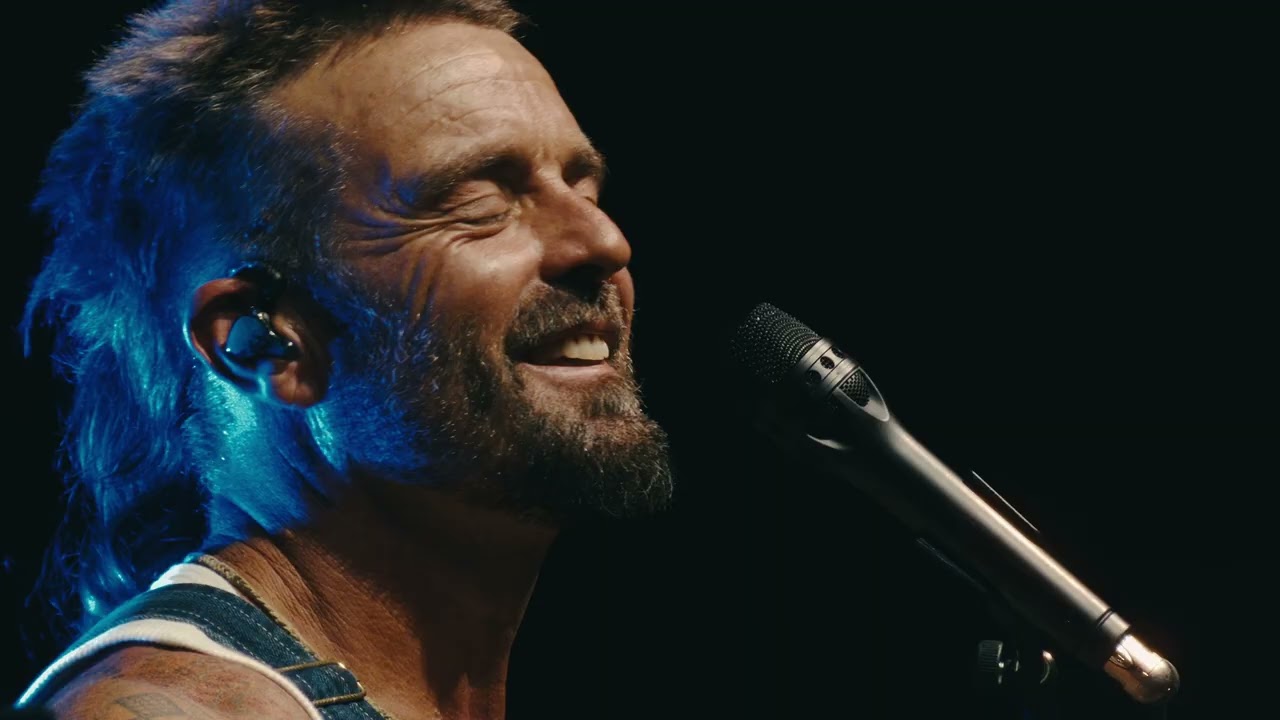
Storm Boy: Living Fullyin a Beautiful World

Xavier Rudd
Xavier Rudd
Apr 16, 2020
6 min read
Watch · 5

Xavier Rudd's "Storm Boy" is a philosophical meditation on the paradox of consumption and contentment, exploring how taking more often leaves us with less spiritual richness. The song weaves together imagery of natural simplicity—tea by a river, pelicans drifting at tide—with reflections on mindfulness, freedom, respect for land and ancestry, and the everyday magic of being present with loved ones. Rather than a narrative track, it functions as a lyrical manifesto for living deliberately in a world of abundance already present.

Read · 8 sections

What does "the more you take means the less that you have" mean?

At the song's opening (0:21), Rudd establishes the core philosophical tension: taking more—whether materially, mentally, or emotionally—paradoxically diminishes what we possess. This is not a claim about scarcity economics but about psychological and spiritual fullness. The more we grasp, accumulate, and demand, the less we have of the mental spaciousness, freedom, and ease that actually constitute a rich life. It echoes both Buddhist principles about attachment and the observation that consumer abundance often correlates with internal emptiness. The song uses this paradox as an entry point to explore how simplicity becomes its own form of wealth.

How does stillness of mind factor into the song's worldview?

Rudd identifies "stillness of the mind" (0:28) as something that is "so hard to embrace"—acknowledging the genuine difficulty of the contemplative life. In the context of the song, stillness is presented not as an end state but as a freedom worth pursuing, analogous to artistic freedom. The song doesn't promise that stillness is easy; instead, it suggests that the pursuit itself—the intention to slow down, sit by a river with tea, and observe the movement of tides—is what matters. Stillness becomes a counter-practice to the taking and grasping described earlier, a deliberate cultivation of presence that allows one to notice what is already there: gentle breeze, drifting pelicans, the company of loved ones.

What is the significance of the natural imagery in the song?

The song's second verse moves into specific natural observation: a pelican drifting slowly, looking for food; the movement of tide and breeze; a figure (perhaps mythological or ancestral) who "knows" and calls back home (0:40–0:56). These images serve multiple purposes. First, they offer concrete examples of living simply and in rhythm with natural cycles—the pelican takes what it needs, nothing more. Second, the personification and spiritual address ("he's watching me grow through those rainy days and those rocky roads") suggests that nature and ancestry are active presences in lived experience, not mere scenery. The imagery prevents the song from becoming abstract philosophy; it grounds the message in sensory reality and the actual places (Jan Juc, Australia, implied) where Rudd lives and observes.

What does the refrain "everybody smiles in the Setting Sun" communicate?

Introduced at 0:66, this refrain becomes the song's emotional anchor. The image of universal contentment at sunset—people sighing with contentment when the day is done (0:69–0:72)—positions simple, shared moments as the fundamental reward of living well. This is not an aspirational fantasy but an observation: when the external striving stops, when we pause at day's end to be present with those we love, the satisfaction is immediate and complete. The refrain appears multiple times, each iteration reinforcing that this contentment is accessible, repeatable, and grounded in human connection ("hand in hand with the one you love") and openness to beauty ("blessed by the magic of the moon"). The setting sun becomes a daily reminder that the good life is one of presence and gratitude, not accumulation.

Why does the song emphasize respect for land and ancestry?

The second major section of the song (1:08–1:50) shifts from personal philosophy to collective responsibility. Rudd calls listeners to "pay respect to the north the south the Western the East" (1:17–1:19) and to honor "the spirit of this old country" (1:19–1:21). He then references the sacrifice of "diggers"—Australian soldiers, particularly those who died in war—who "gave their lives to the service" so that "we could dance together on this beautiful day" (1:27–1:35). This section anchors the song's individual philosophy (how to live well) within a larger framework of obligation and inheritance. You cannot fully embrace the freedom to sit by a river and smile at sunset without acknowledging those whose struggles made that freedom possible and without respecting the land itself. The song thus moves from meditation on personal consumption to an ethic of collective gratitude and stewardship.

Is there a specific narrative or just a series of reflections?

"Storm Boy" is not a narrative song with a story arc or character development. Instead, it is a series of interconnected reflections that circle around a central theme: how to live well. The progression is thematic rather than linear. The song opens with the paradox of taking and having, moves into natural imagery and the practice of stillness, builds to the image of shared contentment, introduces the broader ethical layer of respect and acknowledgment, and then returns to the refrain about smiling and living in a beautiful world. This structure mirrors contemplative or spiritual teaching—a truth is stated, illustrated, deepened, and returned to, allowing the listener to absorb it at different levels with each repetition.

What role does the animated video play in interpreting the song?

The official video, directed and animated by Gianluca Maruotti, translates the song's verbal and thematic content into visual imagery. While the song itself is rooted in specific Australian geography and cultural references, the animation likely expands the visual world, reinforcing the archetypal quality of the themes. The song's imagery of pelicans, tides, sunsets, and human figures in natural settings becomes more vivid and concrete on screen. For listeners who may not immediately grasp the philosophical argument in the lyrics, the visual accompaniment provides sensory support, making the song's claim that a beautiful world exists for those who pay attention more immediately persuasive.

Where to go from here

"Storm Boy" functions as an invitation rather than a prescription. The listener is not told to renounce possessions or pursue some extreme asceticism, but rather to question the equation between taking and having, to practice stillness, to notice beauty in simple natural observations, and to recognize one's debts to land and ancestry. If these themes resonate, the next step might be to sit by a river with tea, to notice who is present beside you, or to research the specific history and land you inhabit. The song also suggests that contentment—the state of mind that the song celebrates—is not the reward that comes after some long spiritual journey, but is available right now, at sunset, with those you love. The practice is to notice it.
Comments

Loading the conversation…

Transcript

[0:12] [Music]

[0:21] well you learn that the more you take

[0:25] means the less that you have

[0:28] the end of the day stillness of the mind

[0:31] is so hard to embrace freedom of the

[0:34] artist what we crave and we sit by the

[0:38] river with a cup of tea

[0:40] what's the movement off the tide in the

[0:42] gentle breeze Pelican drifting slowly

[0:45] looking for a feed like mr. Persephone

[0:49] Istanbul udemy cook up our cause just

[0:54] like he knows and I'll call right back

[0:56] yes I'm home he's being with me he's

[1:00] watching me grow through those rainy

[1:03] days and those rocky roads and now

[1:06] everybody smiles in the Setting Sun and

[1:09] sighs with contentment when the day is

[1:12] done hand in hand with the one you love

[1:17] and blessed by the magic of the moon

[1:25] which is lay this beautiful world

[1:32] but just live in this beautiful world

[1:38] [Music]

[1:48] it's time for fire small can leaves

[1:53] yawning mosquito repellant we need pay

[1:57] respect to the north the south the

[1:59] Western the East pay respect to the

[2:01] spirit of this old country freedom in

[2:05] the hearts of the young and brave who

[2:07] know little of the journey of the

[2:10] diggers who gave their lives to the

[2:12] service and the government gained so

[2:15] that we could dance together on this

[2:17] beautiful day and now everybody smiles

[2:20] in the Setting Sun in size with

[2:23] contentment when the day is done and

[2:27] with the one you love feeling blessed by

[2:30] the magic of the moon

[2:38] which is living in this beautiful world

[2:45] we're just living in this beautiful

[2:47] world

[2:50] [Music]

[3:02] - seeps into my palms a night

[3:08] go

[3:16] everybody smiles in the Setting Sun

[3:19] sighs with contentment when the day is

[3:22] done hand in hand with the one you love

[3:26] feeling blessed by the magic of the moon

[3:35] we're just living as beautiful world

[3:40] [Music]

[3:42] which is live

[3:46] [Music]

[3:50] we're just living in this beautiful

[3:52] world

[3:56] British Labor's beautiful world

Xavier Rudd
ArtistXavier Rudd

Australian musician and yoga teacher who weaves folk, blues, and world music with spiritual themes, championing environmental consciousness and connection to nature through soulful…

View profileWebsite
Explore Topics
Simplicity-consumptionStillness-mindContentmentLand-respectNature-spirituality

Got Questions?

Frequently Asked Questions

Rudd suggests that accumulating more—materially or mentally—actually diminishes inner fullness and freedom. The song argues that spiritual and psychological richness comes through letting go of grasping, not through acquiring more.
The song suggests concrete practices: sit by a river with tea, observe natural movement (tide, breeze, birds), and notice the presence of those beside you. Stillness is cultivated through deliberate attention to what is already present, not through force or special conditions.
The setting sun represents a natural pause point in the day when external striving stops and simple contentment becomes available. It symbolizes that satisfaction comes not from future achievement but from presence and gratitude in everyday moments.
Rudd grounds the song's philosophy of freedom and contentment within an acknowledgment of those who sacrificed their lives so others could live in peace. Respect for land and ancestry is presented as part of living fully and ethically in the present.
The song critiques endless accumulation and distraction but is not a wholesale rejection of modernity. It advocates for deliberate choices about what we consume and pursue, prioritizing presence and connection over unchecked taking.
Connection with loved ones—holding hands, being present together—is central to the contentment the song describes. The freedom and stillness discussed in the song are not pursued in isolation but are meaningful precisely when shared with others.

Continue Reading

More from Xavier

View All
Music as Spirit Medicine: Touching Souls Through Sound
Inspire

Music as Spirit Medicine: Touching Souls Through Sound

Xavier Rudd explores how music serves as a bridge to the spirit world, allowing us to access realms beyond words and touch the souls of othe…

1 min read
Let Me Be: Finding Freedom in Acts of Humanity
Inspire

Let Me Be: Finding Freedom in Acts of Humanity

Xavier Rudd performs "Let Me Be," a song written after 9/11 to counter fear with joy, accompanied by 8000 Belgian fans in this live Forest N…

1 min read
Beneath Surface Identity: What Remains Beyond the Ego
Inspire

Beneath Surface Identity: What Remains Beyond the Ego

Your name, story, and self-image are surface phenomena. The deeper self lies untouched beneath ego and conditioning.…

1 min read
Consciousness in Music: How Spiritual Awareness Finds Expression
Inspire

Consciousness in Music: How Spiritual Awareness Finds Expression

Eckhart Tolle explores how elevated consciousness naturally expresses itself through unexpected cultural channels, including contemporary mu…

1 min read

Keep exploring

Continue your journey

More wisdom and gatherings from across the BrightStar directory.

More Articles

Browse the full library of teachings, interviews, and guides.

Back to all articles →

Teachers & Artists

Explore the lineages, musicians, and guides of the conscious world.

Explore artists →

Find an Event

Kirtan, retreats, sound baths, breathwork, festivals — happening soon.

Browse events →