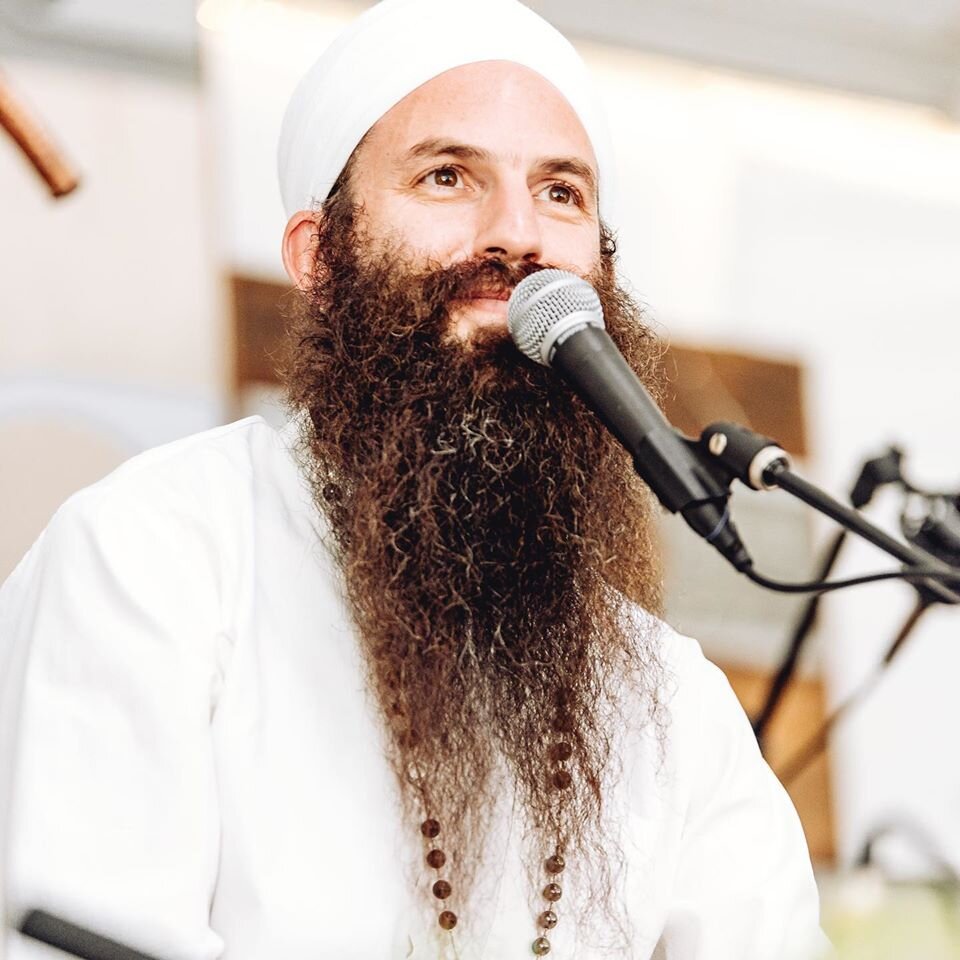
A spiritual leader describes how practicing stillness—through meditation, breathwork, and prayer—becomes the foundation for personal transformation and community healing. Drawing on scripture and direct experience with contemplative teachers, she demonstrates that inner silence allows us to access our deepest wisdom, experience God directly, and extend unconditional love to others. This approach integrates ancient spiritual practices into modern ministry.
Why Stillness of Mind and Body Matters
At the core of spiritual awakening lies a simple but profound principle: the mind and body must be still for the spirit to work with us. This teaching appears across traditions—from the Psalms ("Be still and know that I am God") to the lived experience of contemplative practitioners. The speaker reflects that "we've got to learn the importance of the stillness of the mind and the body so spirits can work with us" (0:85s). Without stillness, we remain caught in the noise of thought, emotion, and sensation, unable to access the deeper knowing that lives within.
The practical reason for this becomes clear when we examine how great minds work. Einstein, cited as one of history's greatest scientists, articulated that his most powerful ideas came from within. This insight points to a universal truth: breakthrough thinking and genuine wisdom emerge from a settled mind, not from constant mental activity. The culture often celebrates busyness and constant stimulation, yet the most creative and insightful people throughout history have recognized the need for regular periods of quiet.
What Happens When You Experience True Presence?
Sometimes a single moment of authentic spiritual presence can alter the trajectory of a life. The speaker describes her encounter with a realized spiritual teacher, His Holiness Sri Sri Ravi Shankar: "The first time I was in his presence I felt such a peace I had no idea what to expect" (0:97s). What struck her most was witnessing thousands of people sitting in meditation together, moving through the practice with such ease and attunement that it seemed like "he danced through meditation."
This moment revealed something crucial: "We have not learned to be still." The overwhelming quality of that gathering came not from spectacle or entertainment, but from the palpable reality of collective stillness. When many minds settle together, the field of peace becomes tangible. For someone accustomed to the usual pace of modern life, this can be jarring—even overwhelming—because it shows us what we're ordinarily missing.
How Does the Practice of Meditation Actually Change Us?
Meditation serves multiple functions simultaneously. The speaker explains: "Meditation serves a lot of purposes. It's a rejuvenation and it's a healing. Because sometimes you need to get still, you need to let the body rest" (0:157s). On a physiological level, meditation allows the nervous system to shift from its default state of vigilance. On an emotional level, it creates space for processing and release. On a spiritual level, it becomes a direct channel to inner knowing.
She describes her own practice: "Meditation is my time to tune in, if you will, to touch within, get in touch with spirit. I can just be quiet. I can just realize that God is all there is" (0:167s). Notice the progression—first, settling into quietness; then, recognizing the presence of something larger than the individual self. This is not mere relaxation or stress relief, though those are beneficial side effects. It is the direct experience of what many traditions call the Self, the divine, or pure consciousness.
The speaker emphasizes a practical starting point: "Meditation may be for just a short time, but to get people to see the need to practically teach in a church when they go home" (0:130s). She integrates this into her ministry by building time for meditation directly into worship. The intention is not to extract people from ordinary life, but to give them an experience they can carry forward—a taste of stillness they learn to access on their own.
What Role Does Breathing Play in Spiritual Practice?
Breath is the bridge between the conscious and unconscious, between mind and body. The speaker weaves breathing into the prayer and meditation structure of her ministry: "We do a prayer time and then we get still to take three deep breaths because breathing is very important" (0:147s). Three conscious breaths may sound minimal, but they create a physiological and psychological threshold—a point at which the mind begins to shift.
She also observes: "The more I meditate every day first thing in the morning, [the more I realize] breathing is very important to breathe" (0:152s). This simple statement holds wisdom. Conscious breathing is both a gateway to meditation and a practice within it. When we slow and deepen the breath, we automatically calm the nervous system. When we practice this upon waking, before the day's demands pile up, we establish a different quality of consciousness for everything that follows.
Why Bring Meditation into a Church or Faith Community?
Some might assume that meditation belongs only in secular wellness contexts or Eastern religious settings. Yet the speaker demonstrates that meditation is fundamentally compatible with Christian faith. She grounds it in scripture: "The Psalms and the Bible says be still and know that I am God. So in the stillness when you quiet yourself you can hear" (0:119s). This directly addresses a core Christian practice—listening for God's voice—which presupposes quieting the mind.
By integrating meditation into church services, the speaker creates an environment where people encounter something genuine. She observes that those who come to the community often say: "I felt so much presence of love" (0:265s). This is not the result of eloquent preaching alone, but of the actual quality of presence cultivated through collective stillness and genuine care.
The community itself reflects this priority. The speaker notes: "The people here are real, they're honest, they're genuine. I'm going to church because I'm gonna learn something and it's always fresh" (0:178s). When a faith community prioritizes inner work and authenticity over performance, people sense it. They come back not for tradition or obligation, but because they're actually growing.
How Does Inner Work Lead to Compassion and Unconditional Love?
There is a direct line from inner stillness to outer love. The speaker articulates this clearly: "When love is ultimately with you, when you have compassion for people of every race, color, creed, that you can live in abundant life" (0:217s). Compassion is not a moral obligation imposed from outside; it flows naturally from recognizing the divine presence in all beings.
This recognition happens in silence. When we move past the mental categories that separate us—race, class, belief, nationality—we contact a deeper level of unity. She describes the teaching of the community as centered on "unconditional love, just love, just a lot of loving messages" (0:255s). This is love not contingent on agreement or similarity, but love as a fundamental acknowledgment of the other's essential being.
Practically, this expresses as radical welcome: "Everyone is welcome. Anybody who comes to this place, the first thing they say is I felt so much presence of love" (0:260s). The message is not "you should love everyone"—a mental aspiration that often fails. Rather, the community embodies a quality of presence so aligned with love that visitors feel it immediately upon arrival.
What Happens When You Find Peace in Spiritual Community?
The speaker's own journey illustrates what sustained practice can yield. She begins: "Hillside has changed my life, meaning Dr. Barbara King, just being in her presence, being in the church's presence, just my life changed. And from that night I've never had another dream" (0:3s). The shift from restlessness (symbolized by disturbing dreams) to peace is total.
She continues: "My message for my life has been peace and serenity and that God is. I really started to truly know lots of Hillside as unconditional love" (0:242s). Notice the progression: from individual healing, to experiencing a community, to recognizing that the essence of the community is unconditional love. These are not separate realizations but stages in deepening understanding.
The church functions not merely as a place of teaching, but as "a place of nurturing for my soul, my spirit" (0:193s). This language acknowledges that the soul has needs, just as the body does. A community that neglects inner nourishment leaves people spiritually malnourished, regardless of how many programs it offers.
How Do Individual Peace and Collective Peace Relate?
The speaker identifies a crucial connection: "When we can individually see peace in ourselves, we can have peace in the world" (0:45s). This is not naive idealism. It recognizes that war, injustice, and suffering arise from unconscious people acting out of fear and fragmentation. Conversely, a person who has cultivated inner peace becomes a vector for peace in their relationships, workplace, and community.
This principle inverts the usual approach to social change. Rather than focusing exclusively on external systems and policies (important as those are), it points to the necessity of inner work. A person cannot authentically extend compassion while internally fragmented. A community built by unconscious people will replicate unconsciousness in new forms. The solution, then, begins with stillness—with each person taking responsibility for their own consciousness.
Where to Go From Here
If this teaching resonates, consider beginning a simple daily practice. Three conscious breaths upon waking, a few minutes of sitting quietly, a prayer or intention—these are not luxuries but necessities for anyone serious about inner development and meaningful contribution to the world. Seek out a community that prioritizes authenticity and provides real tools for stillness, not just comfortable ideas.
Read the Psalms and Christian contemplative literature that affirm the value of silence. Notice how often scripture invites us into stillness. If you are part of a faith community, ask whether it creates actual space for people to experience the presence being discussed. Finally, remember that the goal is not blissful meditation sessions divorced from life, but the integration of inner peace into how you show up with others—extending the unconditional love the speaker describes as the ultimate teaching.


