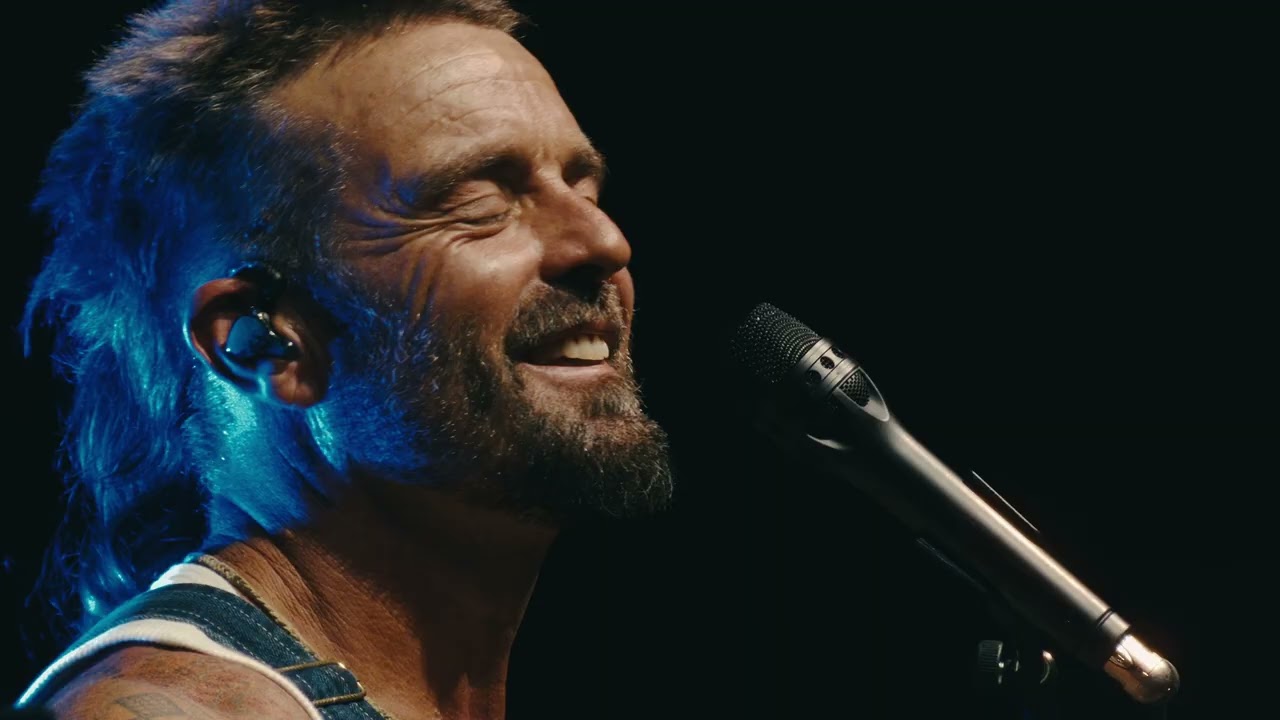
"Road Trippin'" is a meditation on travel as spiritual practice—moving through ancient landscapes, encountering wildlife, witnessing sacred sites, and carrying gratitude for both the land and the people we love. The song weaves together specific Australian flora, fauna, and geography (baobab trees, red earth, waterholes, crocodiles) with universal themes of loss, apology, and devotion. The official film clip, composed of user-submitted road trip footage from supporters worldwide, transforms the track into a collective testimony of how journey shapes us.
What Does "Road Trippin'" Celebrate About Travel?
At its core, "Road Trippin'" treats travel not as escapism but as a form of pilgrimage through consciousness. The song opens with the image of ripping down a track in an old truck, surrounded by blooming flowers and the smell of the sea—immediately establishing travel as sensory immersion. Rather than destination-focused, Rudd's lyrics emphasize the *process* of moving through land: the hills rising from plains, the colors in the sky never seen before, the waters of an ancient gorge that cleanse. The film clip reinforces this by collecting hundreds of submissions from people worldwide who sent in their own road trip footage, each one a personal testimony to how journey works on a person.
Travel, in Rudd's framing, is not about accumulating experiences for social proof. It's about what the land *injects* into you and how it shapes you as you move through it. This is particularly evident in the video's emphasis on Australian Aboriginal landscape: the sacred caves with paintings from ancient times, the red earth, the waterholes, the native animals (crocodiles, wedge-tailed eagles, kookaburras). These are not backdrop; they are teachers. The song acknowledges that "every plant every animal" has equal standing in the sacred land—a worldview that invites travelers to move with humility rather than dominance.
How Does the Song Balance Loss With Gratitude?
A striking feature of "Road Trippin'" is its emotional honesty about regret. The chorus includes the repeated line "I'm sorry to you for the things that I do" and acknowledges "should I could have done more, never seems enough." This is vulnerability embedded in celebration. Rather than pretending that travel fixes everything or that landscape erases personal failure, Rudd holds both truths simultaneously: the power of country, the wisdom of ancient places, and yet the weight of unfinished business with the people we love.
The apology reappears in the final chorus, deepening it slightly: "I'm sorry to you for the things that I do not love." This suggests a reckoning with where love falls short, not just in action but in capacity itself. Yet the song doesn't spiral into self-recrimination; instead, it grounds that apology in concrete intimacy: "hand in hand with our feet in the sand and all that I want here is you." The road trip becomes the stage on which real relationship—flawed, present, committed—unfolds.
What Role Does Aboriginal Land Play in the Song's Meaning?
Rudd's lyrics are saturated with Aboriginal Australian geography and cultural references. He names specific animals (the jabiru, the Tasmanian devil, the kangaroo, the wedge-tailed eagle, the kookaburra, the goanna), specific plants (the baobab tree), and specific features of the landscape (the red desert, the river seasons, the waterholes with saltwater crocodiles). He references cave paintings "from a time before when all country sacred." Most importantly, he positions travelers as guests: "we carry the spirit of this old country, her wisdom in our hearts and her sweet memories."
This framing rejects the extractive tourist gaze. Instead of consuming the landscape, the song treats travel as an act of receiving and remembering. The land is personified as feminine—"the belly of a woman who will procreate"—and travelers are invited into reciprocal relationship with it, not ownership of it. The repeated phrase "never forget" (implicit in "never take for granted") becomes an ethical obligation: to witness, to honor, and to carry that wisdom forward.
By releasing a film clip made entirely from fan submissions rather than a polished production, Rudd extends this principle of shared stewardship. The video becomes a commons—many people's encounters with land, collected and held together by the song's unifying vision.
How Do the Lyrics Move Through Different Moments of Journey?
The song traces a narrative arc through a road trip, though not in linear time. Early verses focus on the physicality of travel and the ache of absence ("hole in your stomach for the ones you love"). The middle sections shift to encounters: catching fish with cheese, sharing a bong beneath mulga trees, watching for crocodiles, pulling in a feed with a handline. These are moments of simple presence and sustenance—the everyday acts that make up long journeys.
Later verses move into deeper noticing: paintings in caves that speak to deep time, eating red dust as the sun goes down, swimming in ancient gorges, walking barefoot through spinifex. The landscape becomes increasingly numinous, less about survival and more about communion. The final third brings the song back to relationship and homecoming—heading back to "the cattle dogs, the seasons on the river and the ones we love." The journey circles back not as defeat but as integration: the traveler has been changed by the land and now returns to those relationships with that change intact.
What Is the Significance of the Fan-Submitted Film Clip?
Rather than creating a single authoritative visual narrative for "Road Trippin'," Rudd invited hundreds of supporters to submit their own road trip footage, and the official music video is a collage of these submissions. This structural choice embodies the song's philosophy: the land and the journey belong to no single person; they are shared, collective, repeated across geography and individual story.
By featuring people's own footage, the video also emphasizes that "road trippin'" is not the province of rock stars or adventure influencers. It is what regular people do—families, communities, couples, solitaries—as they move through the world. The smiley-face kids in communities referenced in the song become visible in the film; the diversity of landscapes becomes global rather than solely Australian. Yet because all submissions are woven together under Rudd's lyrics and melody, the effect is unity-in-difference: many roads, one recognition of how land shapes us.
Rudd's own note about the creative process is worth noting: "There were so many [entries] and only so much time to fit in the song." This constraint became a feature, not a bug. The song's power is sharpened by specificity and duration; not every moment can be captured, but the ones that are, are held with care. This mirrors how actual road trips work—you cannot see or hold everything; you choose, you remember, you carry forward.
Where to Go From Here
Listen to "Road Trippin'" as a companion to your own travel, whether that's across continents or through your own neighborhood. Notice what the song teaches about presence: how to move slowly enough to smell the sea, to see colors in the sky you've never seen before, to feel grateful for ancient land beneath your feet. If you create, consider how you might invite others into your work rather than presenting a singular vision. And if you travel, consider what you are receiving from the places you move through—what wisdom, what belonging, what apology and love you might carry forward when you come home.