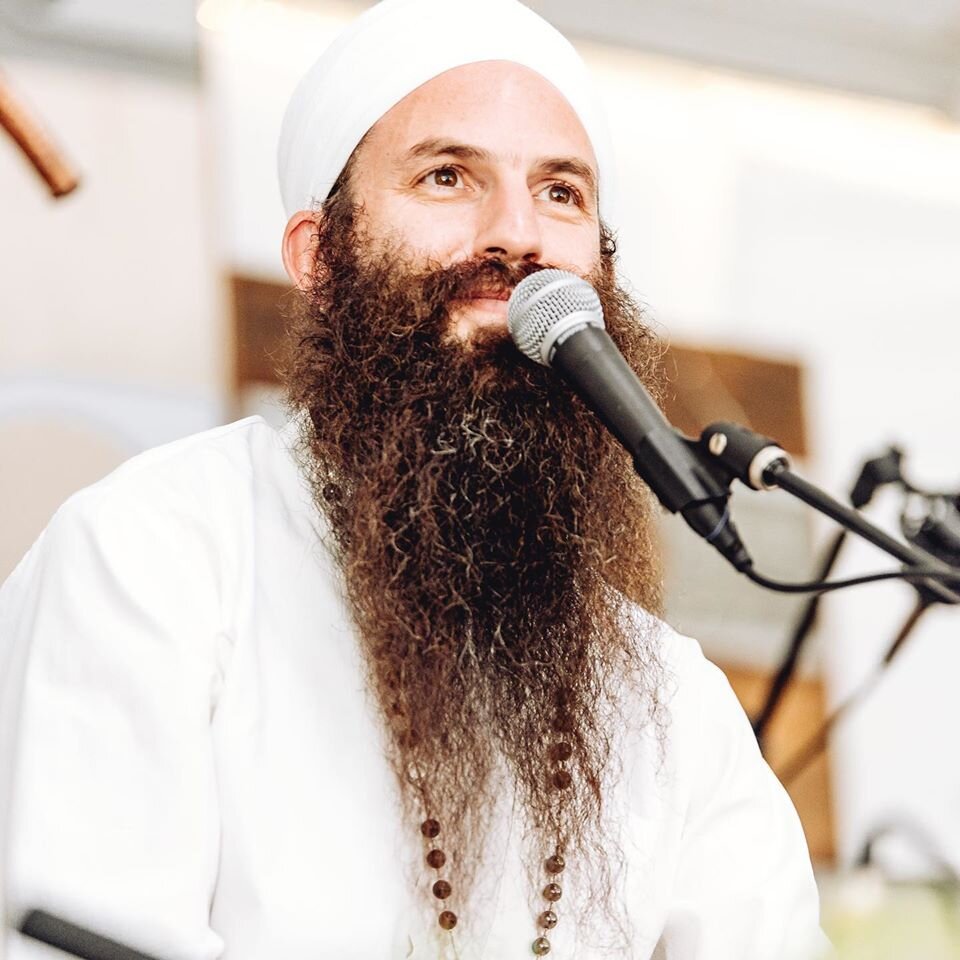
This video documents the vision and real-world impact of the Art of Living Retreat Center, a sanctuary designed for yoga and meditation practitioners seeking peace, restoration, and self-discovery. Through testimonies from visitors and the founder's reflection, the center emerges as a place where breathing techniques, Ayurvedic therapies like marma treatment, and access to nature work together to reduce anxiety, deepen sleep quality, and create community across religious and cultural boundaries.
For decades, practitioners of yoga, meditation, and contemplative traditions harbored a shared longing: the need for a dedicated sanctuary. As Jai Dev Singh reflects in the video, "such a place has been the dream of many many practitioners of yoga meditation and peace. They always felt we need a place where we can go and find the tin of peace and comfort and here that dream has manifested." This wasn't a theoretical aspiration but a felt necessity—the recognition that modern life leaves practitioners fragmented, and that dedicated space holds transformative power.
The Art of Living Retreat Center represents the materialization of this collective dream. Rather than remaining an abstract vision, the center provides physical sanctuary where seekers from around the world can arrive, disengage from ordinary time, and orient themselves toward inner work. The center's very existence answers a question practitioners had asked for generations: where can we go to find lasting peace?
The founder articulates a vision that moves beyond mere relaxation. The center is intended as "a place where reason becomes sharper, faith becomes deeper, a place where people of various faiths, race, religion, philosophy and tendencies can all come together and find that common goal in every one of us and the depth of humanism that we are all gifted with." This vision holds three essential dimensions:
- Sharpening of reason: The practices offered cultivate clarity and discernment, not escapism from thought but its refinement.
- Deepening of faith: Whether participants arrive secular or religious, the environment supports genuine spiritual encounter.
- Interfaith communion: The center functions as neutral ground where diverse believers discover shared humanity rather than doctrinal division.
This architecture differentiates the retreat center from purely therapeutic or leisure destinations. It is explicitly designed as a place where personal transformation and collective consciousness strengthen simultaneously.
The video emphasizes that the center offers more than indoor programming. Participants experience the grounds as integral to their work: "people from everywhere in the world come and enjoy the nature outside and discover how beautiful they are from inside." This reflects a core principle of Ayurvedic and yogic traditions—that external nature mirrors and nourishes internal nature.
By spending time in the natural environment of the retreat center, visitors create the conditions for introspection. The combination of open air, trees, and sky provides sensory relief from urban overstimulation. This exposure allows participants to notice their own inner landscape more clearly. The connection is bidirectional: as people calm their minds, they perceive nature more acutely; as they immerse in nature, their nervous systems downregulate naturally.
Testimonies from visitors reveal several core offerings that produce measurable shifts in consciousness and physiology. Breathing techniques emerge repeatedly in the accounts. One participant reports, "the breathing techniques that I learned I found very calming and very relaxing." This aligns with scientific research on pranayama's effects on the vagus nerve and parasympathetic activation.
Marma treatment—an Ayurvedic therapy targeting vital energy points in the body—receives specific mention as a transformative practice. One visitor describes, "My ultimate highlight was the marma treatment like you go into this really deep meditation it was amazing." The therapy's effectiveness appears connected to how it facilitates meditation rather than functioning as purely physical manipulation. The body becomes a gateway to deeper states.
The center's programming integrates these methods with meditation practice and yoga, creating a coherent system rather than isolated techniques. This totality amplifies results.
A consistent thread in participant testimony concerns improved rest and vitality. Multiple people report feeling "lighter"—a term that recurs throughout the video testimonies. This language suggests a physiological as well as psychological shift: the nervous system transitions from vigilance to receptivity.
Regarding sleep, one long-term practitioner notes, "my sleep has always been good but um I noticed that um it's more restful." This distinction matters. The retreat center's practices don't primarily treat insomnia but deepen the quality of existing rest. Sleep becomes more restorative, suggesting parasympathetic dominance during slumber.
Energy levels increase alongside this rest. Visitors report feeling "more energetic," "more optimistic," and "not alone." The combination of reduced anxiety (via breathing and meditation), physical restoration (via sleep), and social connection (via community on the grounds) synergizes into sustained vitality.
The video illustrates that spiritual practice in dedicated space naturally generates friendship and belonging. One visitor remarks simply, "I made some friends, it's a beautiful place just feels like magic." The retreat center functions as what sociologists call "thin places"—spaces where ordinary boundaries become permeable and genuine connection becomes possible.
This occurs not through forced ideology but through shared practice. People from different countries, faiths, and philosophies arrive as strangers. Through breath work, meditation, and time in nature together, they discover what the founder identifies as "that common goal in every one of us and the depth of humanism that we are all gifted with." Difference is not erased but contextualized within a deeper unity.
The center's design—its physical layout, its scheduling of group activities, its maintenance of silence and contemplative atmosphere—all support this natural community-building. There is no forced mingling, yet isolation becomes impossible.
Multiple testimonies converge on a sensation of relief or lightness. The founder himself expresses, "every one of you have blessed me in a way I can't even explain so um thank you. I feel lighter." This "lighter" quality appears to reflect several things at once: psychological unburdening, nervous system calming, social validation, and spiritual clarity.
One participant articulates this ambiguity: "the weight has been lifted. I don't know what weight it is but it feels like very light." This honesty is significant. The practices don't require intellectual understanding of what burden they release. The body knows. The experience precedes explanation.
The video's most striking phrase describes the center as creating an environment where visitors "find the tin of peace and comfort." While "tin" may be a transcription artifact, the meaning is clear: the center offers an accessible, tangible refuge. Peace is not promised as distant achievement but presented as available here, now, within these grounds.
If you're drawn to the idea of dedicated retreat space but unsure whether it aligns with your beliefs or circumstances, the Art of Living Retreat Center's vision suggests several pathways forward. First, consider what specific practices resonate with your needs—whether that's breathing work for anxiety, meditation for clarity, Ayurvedic therapy for physical restoration, or primarily community and nature access. Second, recognize that retreat centers function best not as escapes but as reset points. The benefits reported in this video (better sleep, greater calm, expanded perspective) compound when participants integrate practices into daily life. Third, interfaith retreat environments like this one create special conditions: you need not adopt the center's philosophy to benefit from its methods. Yoga predates any religion; breath is universal; humanism transcends doctrine. If you're seeking genuine sanctuary that supports both personal peace and connection across difference, this model offers proof that such places can and do exist.


