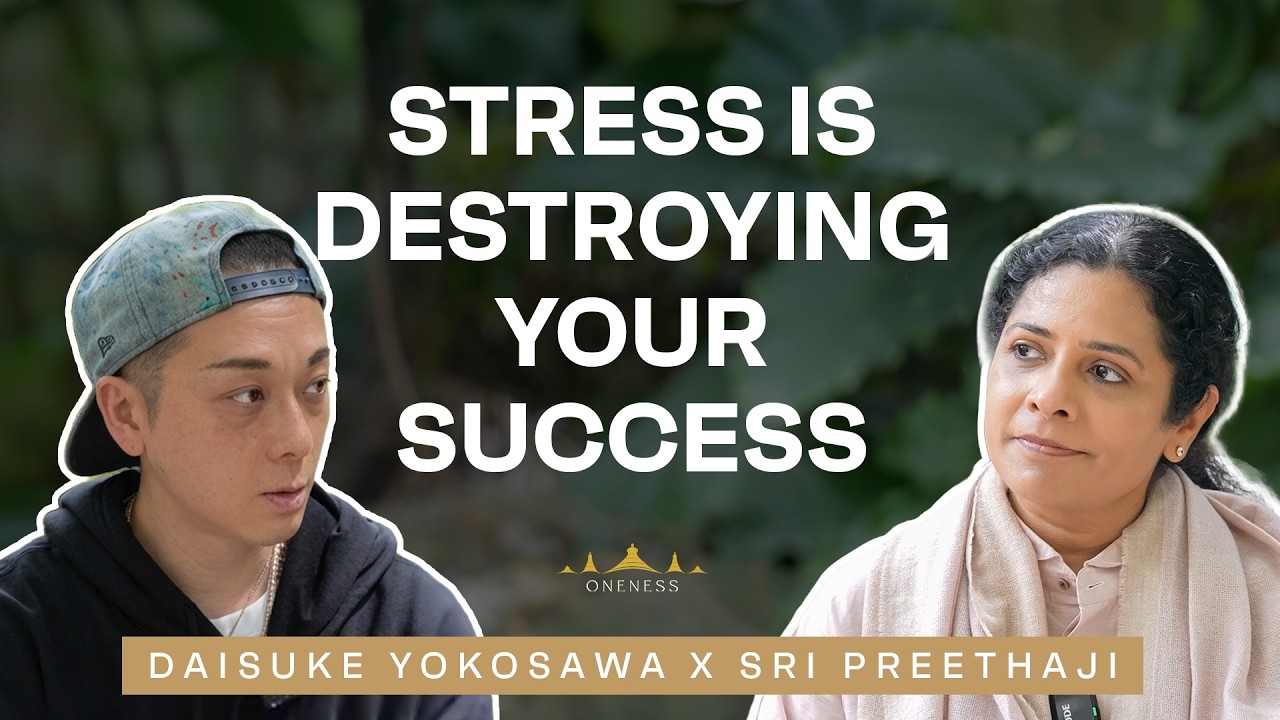
The root of depression and loneliness is not the absence of people but rather a disconnection from one's own being. By learning to reconnect with yourself—to restore presence and awareness of your own existence—you can rediscover joy both in solitude and in the presence of others. This teaching suggests that the quality of your relationship with yourself determines the quality of all other relationships and experiences.
What Is Disconnection from Self?
Disconnection from self occurs when you lose touch with your own being. This is distinct from physical isolation. You can be surrounded by people and still feel profoundly alone if you are not present to yourself. In modern life, many people live in a state of fragmentation—mentally elsewhere, emotionally numb, or habitually distracted. This disconnection manifests as a subtle but pervasive sense of emptiness that external circumstances cannot fill.
When you are disconnected from yourself, you lose access to the ground of your own presence. You operate from learned behaviors, social masks, and conditioned reactions rather than from an authentic internal reference point. This creates a paradoxical situation: even in crowded rooms or in relationships, you experience loneliness because the person who would truly meet those connections—your aware, present self—is absent from the equation.
Why Does Disconnection Lead to Depression and Loneliness?
Depression and loneliness are often understood as responses to external conditions: lack of friends, loss of a loved one, job stress, or social isolation. However, the teaching presented here reframes these experiences. The primary cause is not what is missing in your environment but what is missing in your relationship with yourself.
When you are disconnected from your own being, several things happen simultaneously. First, you lose your internal anchor—the felt sense of "I am" that provides continuity and stability. Without this anchor, emotions become overwhelming and difficult to navigate. Second, you cannot genuinely connect with others because genuine connection requires presence and authenticity. You may go through the motions of socializing while remaining fundamentally alone. Third, you lose access to the intrinsic joy that comes from simply existing—what might be called the joy of being alive itself, independent of circumstance.
The Oneness Movement's insight is that addressing depression and loneliness by acquiring more external things—more friends, more achievements, more validation—is ineffective if the underlying disconnection from self remains. You can have a full social calendar and still suffer from profound loneliness. You can achieve significant external success and still fall into depression. The missing piece is the reconnection with your own being.
How Does Reconnection with Self Work?
Reconnecting with yourself is a process of returning to presence and awareness of your own existence. This is not an intellectual exercise but a shift in the quality of attention you bring to your own being. Several dimensions are involved:
- Presence: Coming back to here and now, to the felt sense of your own body, breath, and consciousness in this moment. This is the foundation of all reconnection.
- Authenticity: Dropping the masks and defenses you habitually wear. Becoming willing to acknowledge what you actually feel and experience rather than what you think you should feel.
- Self-compassion: Meeting yourself with kindness rather than judgment or criticism. Many people are harshly disconnected from themselves through constant self-judgment, which deepens the disconnection.
- Awareness of aliveness: Recognizing the simple fact that you are alive, that consciousness is present in you, that existence itself is occurring right now. This recognition is intrinsically joyful.
The process of reconnection often involves slowing down enough to notice what you have been avoiding. It requires periods of solitude—not isolation, but deliberate time with yourself without distraction. In these moments, you may encounter discomfort, sadness, or confusion that you have been covering over with busyness. This is a necessary part of the journey. By staying present with these experiences rather than escaping them, you begin to restore the relationship with your own being.
How Does This Change Your Experience of Others?
Once you have begun to reconnect with yourself, your experience of others transforms fundamentally. This happens for several reasons:
First, when you are present to yourself, you bring that presence to interactions with others. Rather than being a ghost in social situations, you actually show up. This allows for genuine connection. Others feel this presence and respond authentically in return, creating the experience of true meeting that humans crave.
Second, when you have accessed the intrinsic joy that comes from reconnection with your own being, you no longer depend on others to fill an internal void. This is paradoxically liberating for relationships. You are no longer clinging or desperate. You can be with people from a place of wholeness rather than neediness, which allows for healthier, more authentic bonds.
Third, disconnection from yourself often manifests as disconnection from others. When you are not present to yourself, you cannot be present to others either. You cannot see them clearly or meet them deeply. Reconnecting with yourself is therefore an act of love toward others as well. It allows you to actually be with them rather than being lost in your own internal fragmentation.
What Is the Joy of Being?
The teaching points toward an intrinsic joy that is not dependent on circumstances or external conditions. This joy arises simply from being alive, from presence, from consciousness itself. It is accessible in solitude and in connection, in stillness and in activity. It is independent of whether others are present.
This joy is distinct from happiness, which tends to be conditional and dependent on things going the way you want. Joy, in this context, is more fundamental. It is the delight of existing, of awareness, of aliveness itself. When you are reconnected with your own being, this joy becomes available. It does not require external circumstances to change. It does not require you to acquire anything or become different. It is here, waiting for you to return to presence.
Many people spend their entire lives seeking this joy externally—through relationships, achievements, possessions—while remaining disconnected from the internal resource that is always available. The teaching invites a reversal of this outward search: turn attention inward first, reconnect with your own being, and then engage with the world from that grounded place.
Practical Implications
This understanding has practical consequences. If you are struggling with depression or loneliness, the primary work is not necessarily to change your external circumstances but to change your relationship with yourself. This might involve:
- Regular practices of presence and attention (meditation, mindful movement, conscious breathing)
- Creating protected time for solitude without distraction or escape
- Learning to notice and work with your own emotional and physical experience rather than avoiding it
- Cultivating self-compassion and kindness toward yourself
- Examining which of your social connections are genuine and which are performed from disconnection
- Gradually shifting your sense of self-worth from external validation to internal presence
The shift in focus from external solutions to internal reconnection does not mean becoming withdrawn or isolating yourself. Rather, it means using your aloneness—the time you have with yourself—as an opportunity to restore the fundamental relationship with your own being. From this restored place, you then move back into connection with others from authenticity and presence rather than desperation and fragmentation.
Where to go from here
Begin by noticing your own disconnection. Throughout your day, pause occasionally and ask: Am I present right now? Am I aware of my own being? Or am I mechanically moving through activity? This simple noticing is the first step toward reconnection. You cannot reconnect with what you do not acknowledge as disconnected.
Dedicate some time—even 10 minutes—to being alone with yourself without distraction. Sit quietly, notice your breath, feel your body, acknowledge that you are alive right now. This is the foundation of reconnection. Do this regularly and notice how the quality of your presence gradually deepens. As your reconnection strengthens, observe how your experience of others and your access to joy shifts. The teaching suggests that this internal work is the most direct path to addressing the loneliness and depression that plague so many people, not because external circumstances do not matter, but because your relationship with yourself is the ground from which all other relationships spring.