SportsCampFinder

Browse All Camps

Find the perfect camp for your athlete

camps

Basketball Camps
Soccer Camps
Baseball Camps
Football Camps
Volleyball Camps
Lacrosse Camps
Multi-Sport Camps
Elite Training
Overnight Camps
Day Camps
Popular Destinations
BaliSedonaLos AngelesCosta RicaNew YorkSan FranciscoAustinMiamiJoshua TreeTulum
View All CategoriesView All Destinations

Explore All Features

Powerful tools to grow your events

Platform Features

Smart Dynamic Pricing
Ticket Categories
Assigned Seating
Abandoned Cart Recovery
Visitor Recovery
Donations & Sliding Scale
Affiliate Engine
Ticket Scanner
Coupon Codes
Custom Questions
Ticket Sharing
Upsells & Add-ons
Analytics & Reporting
Email Sequences
Waitlist / Notify / Remind
People & Places
Camp OrganizersCamp FacilitiesKnowledge BaseInspiration
View All FeaturesAbout Us
PricingBlog
Language
Saved events
Browse All Events

camps

Basketball CampsSoccer CampsBaseball CampsFootball CampsVolleyball CampsLacrosse CampsMulti-Sport CampsElite Training

Popular Destinations

BaliSedonaLos AngelesCosta RicaNew YorkSan Francisco

People & Places

Camp OrganizersCamp FacilitiesKnowledge BaseInspiration

Platform Features

Smart Dynamic PricingTicket CategoriesAssigned SeatingAbandoned Cart RecoveryVisitor RecoveryDonations & Sliding ScaleAffiliate EngineTicket ScannerCoupon CodesCustom QuestionsTicket SharingUpsells & Add-onsAnalytics & ReportingEmail SequencesWaitlist / Notify / Remind
View All FeaturesAbout Us
PricingBlog
Log inParents & athletesCamp directors
  • Browse all camps
  • Basketball Camps
  • Soccer Camps
  • Baseball Camps
  • Football Camps
  • Volleyball Camps
  • Lacrosse Camps
  • Multi-Sport Camps
  • Elite Training
  • All sports →
  • Orlando
  • Los Angeles
  • New York Metro
  • Dallas / Fort Worth
  • Chicago
  • Phoenix / Scottsdale
  • Atlanta
  • Denver
  • Seattle
  • Boston
  • Houston
  • Philadelphia
  • San Diego
  • Minneapolis / St. Paul
  • All Cities →
  • List your camp
  • Camp director dashboard
  • Pricing
  • Coaches & academies
  • Online registration & payments
  • Waivers & medical forms
  • Check-in app
  • Family messaging
  • Waitlist & notify
  • Camp marketing
  • Reports
  • All features →
  • About SportsCampFinder
  • Camp guides
  • Help Center
  • Contact
  • Careers
  • Press
  • Terms of Service
  • Privacy Policy

Camps

  • Browse all camps
  • Basketball Camps
  • Soccer Camps
  • Baseball Camps
  • Football Camps
  • Volleyball Camps
  • Lacrosse Camps
  • Multi-Sport Camps
  • Elite Training
  • All sports →

Destinations

  • Orlando
  • Los Angeles
  • New York Metro
  • Dallas / Fort Worth
  • Chicago
  • Phoenix / Scottsdale
  • Atlanta
  • Denver
  • Seattle
  • Boston
  • Houston
  • Philadelphia
  • San Diego
  • Minneapolis / St. Paul
  • All Cities →

For Camp directors

  • List your camp
  • Camp director dashboard
  • Pricing
  • Coaches & academies

Features

  • Online registration & payments
  • Waivers & medical forms
  • Check-in app
  • Family messaging
  • Waitlist & notify
  • Camp marketing
  • Reports
  • All features →

Company

  • About SportsCampFinder
  • Camp guides
  • Help Center
  • Contact
  • Careers
  • Press
  • Terms of Service
  • Privacy Policy
SportsCampFinder
© 2026 SportsCampFinder. All rights reserved.
Inspiration

Peace With It All: Listening Inwardly to Life's Nature

Be Here Now Network
Be Here Now Network
Feb 2, 2025
7 min read

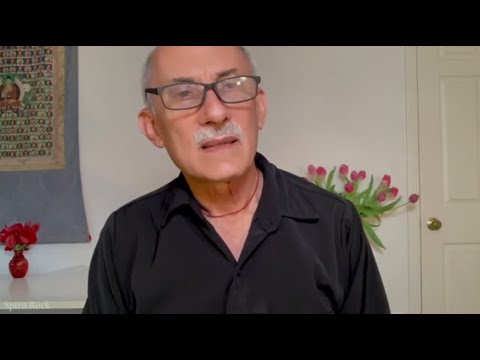
Jack Kornfield teaches that peace arises not from striving to achieve or accumulate, but from turning attention inward and listening deeply to the nature of life itself. Drawing on the Buddha's night of enlightenment under the Bodhi tree, Kornfield shows how this receptive, sensory-aware presence—rather than doing-mode consciousness—forms the foundation of wisdom and equanimity in daily life.

Read · 7 sections

What Did the Buddha Actually Do on His Night of Enlightenment?

Most people imagine enlightenment as the culmination of intense effort—years of struggle finally breaking through to something extraordinary. Kornfield reframes this entirely. When the Buddha sat under the Bodhi tree, he was not striving to accomplish a goal, acquire a special state, or manufacture some transcendent experience. Instead, he was listening. He was listening inwardly with all of his senses to the nature of the world we are born into for a time.

This is a radical inversion of the doing-based consciousness that dominates modern life. We are trained from childhood to achieve, to push, to make things happen. But Kornfield points to the Buddha's example as an invitation into a different mode of being altogether. The breakthrough came not through force but through receptivity.

Why Does Inward Listening Matter More Than Spiritual Effort?

Kornfield's teaching hinges on the recognition that much of what we call "spiritual practice" can itself become another form of doing. We meditate to achieve peace. We practice to become enlightened. We study to gain wisdom. But these goal-oriented framings can actually obscure the very thing we are seeking. The Buddha's approach suggests that true realization requires a shift in the fundamental stance we take toward experience.

Listening inwardly means dropping the agenda. It means turning the quality of attention we normally direct outward—scanning the environment, judging, planning, reacting—and directing it inward, allowing the senses to take in what is actually here. The sights, sounds, sensations, and textures of ordinary life, approached with full presence, begin to reveal their own nature. This is not passive in a dull sense; it is a bright, alert receptivity.

When we listen in this way, we are not adding anything or improving anything. We are simply bearing witness to what is. This creates space for understanding to arise naturally, without the friction that comes from trying to force insight or grasp at wisdom.

How Does This Relate to Being at Peace With It All?

The title of this talk—"Being at Peace With It All"—points to a deeply practical outcome. When we are caught in doing-mode consciousness, we are perpetually at war with reality. We want things to be different. We resist what is. We grasp for what we imagine will satisfy us. This creates a baseline of suffering and fragmentation.

But when we develop the capacity to listen inwardly and honestly to life as it is, something shifts. Not because life becomes perfect or our problems disappear, but because our relationship to life changes. We are no longer braced against reality. We are not fighting the present moment. We can meet difficulty with more spaciousness, meet joy with genuine appreciation, and meet the ordinary with wonder.

This peace is not resignation or passivity. It is the fruit of acceptance combined with clear seeing. When we truly listen to what is, we often find ourselves naturally moved to compassionate action—not from striving or guilt, but from a genuine understanding of what this moment requires.

What Does It Mean to Listen With All Your Senses?

Kornfield emphasizes that this listening is not only mental or emotional. It involves the whole being. The senses—sight, sound, touch, taste, smell, and the deeper proprioceptive sense of the body in space—are the gateway to direct knowing. When we quiet the mental chatter and allow the senses to come alive, we make contact with what is real and immediate.

In meditation practice, this often begins as breath awareness or body awareness. But it extends into daily life: the texture of fabric under your fingers, the flavor of food, the quality of light in a room, the subtle shifts in your emotional state. This is not aestheticism or sensory indulgence; it is the ground of genuine understanding. When we are truly in our senses, we cannot be lost in anxious thought. We cannot be spinning stories about what might happen. We are here, in this world, exactly as it is presenting itself.

How Can Modern People Practice This Kind of Listening?

In a culture obsessed with optimization, achievement, and self-improvement, Kornfield's teaching on simplicity and presence offers a quiet counter-current. The practice is accessible to anyone, anywhere. It requires no special conditions. You can listen while washing dishes, walking, sitting quietly, or in conversation with another person.

The basic instruction is simple: periodically pause the doing. Let your attention turn inward. Notice what you hear, feel, sense in your body and mind. Don't try to fix or change anything. Don't expect a special experience. Just listen. Rest your awareness on what is already here. When your mind wanders into planning or judgment—which it will—gently return to direct sensing.

Over time, this capacity strengthens. The default mode of striving gradually quiets. You begin to notice that there is a way of moving through life that is less exhausting, more attuned, more alive. This is not because you have become a different person, but because you have recovered a natural capacity that was always there—the capacity to be present, to listen, to receive what life offers.

What Is the Connection Between Presence and Wisdom?

Kornfield's implicit argument is that wisdom and presence are not separate things. True wisdom is not a collection of beliefs or insights that we accumulate in our minds. Rather, it arises from direct contact with the way things actually are. When we are fully present, when we are listening with our whole being, understanding flowers naturally.

This understanding is not abstract. It is lived. We begin to see how suffering arises from our resistance to what is. We recognize the impermanent nature of all experience—pleasures fade, problems arise and pass, people we love change. We discover that our sense of a fixed, permanent self is an inference, not a fact. These insights do not come as intellectual conclusions but as direct perceptions, lived in the body and felt in the heart.

Such wisdom naturally generates compassion. When we truly understand that all beings are struggling to find peace and meaning, just as we are, separation dissolves. We are moved to kindness not as a rule to follow but as a natural expression of understanding.

Where to Go From Here

If Kornfield's teaching resonates, consider beginning with simple meditation practice focused on listening and presence. Even five or ten minutes a day can begin to shift your relationship to experience. Sit quietly, let your awareness settle on your breath and body, and simply notice without trying to change anything.

Beyond formal practice, bring this quality of listening into ordinary life. When you are eating, fully taste. When you are with someone, truly listen to their words and the tone of their voice. When you are walking, feel your feet on the ground. These small gestures of presence accumulate. They train the mind to rest in receptive awareness rather than planning and judgment.

If you wish to go deeper, the full conversation from which this excerpt was drawn is available on the Be Here Now Network, and Kornfield's many books—including The Art of Forgiveness, Lovingkindness, and Peace and A Path With Heart—offer sustained exploration of these themes. The core insight remains simple and available to anyone: peace comes not from acquiring or achieving, but from the willingness to listen to what is already here.


Comments

Loading the conversation…

Be Here Now Network
ArtistBe Here Now Network

Be Here Now Network is the creator of Heart Wisdom with Jack Kornfield, a podcast exploring consciousness, spirituality, and personal transformation. With 313 episodes, they have c…

View profileWebsite
Explore Topics
Listening-presenceInner-peaceBuddha-enlightenmentMeditationConsciousness

Got Questions?

Frequently Asked Questions

According to Jack Kornfield, the Buddha sat under the Bodhi tree not to achieve or accomplish something, but to listen inwardly with all his senses to the nature of the world. Enlightenment arose through this receptive, sensory-aware presence rather than through striving or effort.
You can pause during ordinary activities—washing dishes, walking, or sitting quietly—and turn your attention inward, noticing what you hear, feel, and sense in your body without trying to change anything. Bring full sensory awareness to the present moment, whether eating, listening to someone, or moving through space.
No. Kornfield teaches that peace comes from acceptance combined with clear seeing. When you truly listen to what is, you naturally understand reality better and are often moved to compassionate action—not from striving, but from genuine understanding of what the moment requires.
Goal-oriented striving can obscure the very thing we seek. When we meditate to achieve a state or practice to become enlightened, we miss the invitation to simply be present and listen. True understanding arises naturally from receptive awareness, not from force or effort.
It means engaging not just your mind but your whole being—sight, sound, touch, taste, smell, and body awareness. By quieting mental chatter and allowing your senses to come alive, you make direct contact with what is real and immediate, which is the ground of genuine understanding.
Wisdom arises from direct contact with the way things actually are. When fully present, you naturally perceive how suffering arises from resistance, recognize impermanence, and understand the nature of self. This is lived understanding, not intellectual belief.

Continue Reading

More from Be

View All
Dying as Spiritual Awakening: Lessons from a 1976 Retreat Talk
Inspire

Dying as Spiritual Awakening: Lessons from a 1976 Retreat Talk

A 1976 retreat talk, now released as Here and Now Ep. 314, uses stories of Maharaj-ji, a dying student, and Varanasi to reframe death as an …

1 min read
When Science Meets the Unmeasurable: Paradigm Collapse and Spiritual Inquiry
Inspire

When Science Meets the Unmeasurable: Paradigm Collapse and Spiritual Inquiry

Ram Dass recounts his encounter with a Nobel laureate physicist who accepted every story about his guru—until one crossed the line. The gap …

1 min read
Guided Meditation on Loving Awareness and Mindful Stillness
Inspire

Guided Meditation on Loving Awareness and Mindful Stillness

A 25-minute guided meditation teaching mindfulness of breath, body sensations, emotions, and thoughts through loving awareness and spacious …

1 min read
The Three Basic Truths: Impermanence, Suffering, and No-Self
Inspire

The Three Basic Truths: Impermanence, Suffering, and No-Self

Explore Buddhism's foundational teachings on impermanence, suffering, and no-self as gateways to liberation and freedom from identification.…

1 min read

Keep exploring

Continue your journey

More wisdom and gatherings from across the BrightStar directory.

More Articles

Browse the full library of teachings, interviews, and guides.

Back to all articles →

Teachers & Artists

Explore the lineages, musicians, and guides of the conscious world.

Explore artists →

Find an Event

Kirtan, retreats, sound baths, breathwork, festivals — happening soon.

Browse events →