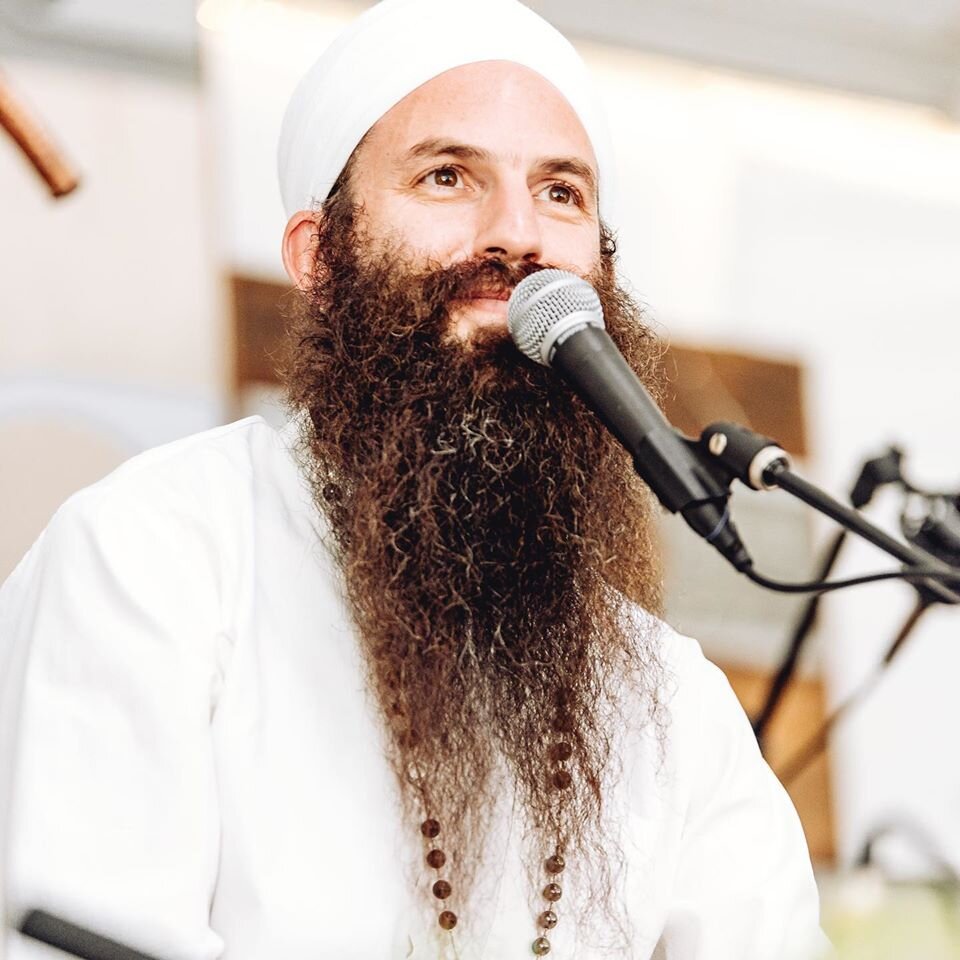
Shankara Ayurveda Spa, located in the mountains of North Carolina, operates as an authentic Ayurvedic retreat center focused on panchakarma—a 5,000-year-old detoxification technique from India. The facility combines dietary re-education, stress relief, and Ayurvedic healing practices in a supportive environment designed to help guests achieve deeper balance, emotional nourishment, and practical wellness tools to take home.
What Is Panchakarma and Why Does It Matter?
At the heart of Shankara Spa's offering is panchakarma, a Sanskrit term referring to a comprehensive detoxification and rejuvenation therapy that has been practiced in India for over 5,000 years. Unlike modern detox trends, panchakarma is a structured, individualized protocol rooted in Ayurvedic medicine—the traditional system of health and healing that forms the foundation of Indian wellness philosophy.
The retreat emphasizes that panchakarma is not a quick fix but an ancient technique designed to address accumulated toxins (called ama in Ayurveda) and restore the body's natural balance. Guest testimonies from the video highlight tangible results: one participant who had lived with chronic debilitating pain from an autoimmune disorder for three years reported waking up completely pain-free on day three of the retreat. This kind of rapid symptom relief suggests that panchakarma works at a systemic level, addressing underlying imbalances rather than merely masking symptoms.
How Does the Spa Create an Environment for Healing?
Shankara Spa's physical and emotional environment is integral to its effectiveness. The facility is nestled in the mountains of North Carolina, and guests consistently emphasize the therapeutic value of the natural surroundings. One attendee noted that simply gazing at the mountains reduced their stress and mental preoccupation by half, illustrating how landscape and silence work as healing agents in their own right.
The spa team, described as "a talented team of professionals committed to the practice," brings both clinical knowledge and what participants call a "general kindness and happiness" that extends through every interaction. This combination of expertise and warmth creates what one guest described as an environment that is "nurturing spiritually," "nurturing emotionally," and characterized by "very nurturing" silence. The absence of typical stressors—noise, rushing, judgment—allows guests to settle into the deeper work of internal restoration.
What Role Does Diet Play in Panchakarma Retreats?
One of the most surprising aspects of the retreat, according to guest feedback, is how food becomes a vehicle for lifestyle change. Participants arrive with concerns about whether they can sustain new eating habits, especially when influenced by Ayurvedic dietary principles tailored to their individual constitution (or dosha).
The spa's approach sidesteps restriction or deprivation. Instead, meals are crafted to be genuinely delicious and satisfying, allowing guests to discover that Ayurveda-aligned eating doesn't require sacrifice. One attendee stated: "Everything from the view to the food to the kindness and the smiles was a very enjoyable way to adopt a new lifestyle of eating because the food was delicious. Didn't miss my usual food." This reframing—from "diet" to "nourishing lifestyle"—makes the experience sustainable long after guests return home.
Beyond eating, the retreat also offers education in food preparation. Participants learn cooking techniques specific to their constitution, empowering them to replicate Ayurvedic principles in their home kitchens. As one guest expressed, "I love to cook. I really wasn't sure, no matter how many cookbooks I had, how to prepare foods that were unique to me. And I now know how to take those skills home." This educational component transforms the retreat from a temporary escape into a source of practical, long-term wellness knowledge.
How Does Panchakarma Address Chronic Pain and Autoimmune Conditions?
While a retreat cannot replace medical treatment, the video testimony of a guest with an autoimmune disorder offers insight into how Ayurvedic approaches may complement conventional care. This individual had experienced three years of chronic, debilitating pain and had presumably exhausted standard interventions. The panchakarma retreat offered something different: a comprehensive, systemic reset.
The rapid relief experienced (pain-free by day three) suggests that panchakarma may address pain not through suppression but through rebalancing. In Ayurvedic theory, chronic pain often reflects deeper imbalances in digestion, circulation, and energy flow. Panchakarma's combination of therapeutic oils, targeted treatments, dietary adjustment, and mental rest may work synergistically to reduce inflammation and restore function. However, it is important to note that results vary by individual, and panchakarma is most effective when integrated with proper medical oversight and personalized Ayurvedic assessment.
What Practical Tools Do Guests Take Home?
A retreat is temporary, but its value depends on what participants can sustain afterward. Shankara Spa is designed with this transition in mind. Guests report leaving with tangible, applicable tools: dietary knowledge, stress-management techniques, and an experiential understanding of what deep rest feels like. One participant stated, "I feel like I have some tools now that I can use when I go home."
These tools extend beyond the physical. The retreat also addresses the mental and emotional dimensions of wellness. Participants describe a shift toward "a deeper connection to who they really are"—a reconnection with their own inner stability that persists after the retreat ends. In Ayurvedic and yogic terms, this reflects the goal of self-realization: not escapism, but genuine self-knowledge that naturally leads to better choices.
What Is the Broader Philosophy Behind This Work?
The spa operates within a larger vision articulated toward the end of the video: "Our healing of ourselves is the healing of our family, is the healing of our communities. Each of us taking that responsibility to move inward and begin our healing." This framing reflects a core principle of yoga and Ayurveda—that individual wellness is not a luxury or purely personal achievement, but a foundation for collective well-being.
When one person experiences genuine healing—reduced pain, restored emotional balance, clearer thinking—that shift ripples outward. They return to their families and communities with less reactivity, more presence, and practical knowledge about living in alignment with natural rhythms and their own constitution. This understanding makes the retreat not an escape from responsibility but an investment in one's capacity to show up more fully for others.
Where to Go From Here
If you are interested in exploring panchakarma or Ayurvedic wellness retreats, consider these next steps: First, consult with an Ayurvedic practitioner or your primary healthcare provider to determine whether a panchakarma retreat is appropriate for your current health status and goals. Second, research retreat centers carefully, looking for staff with genuine training in Ayurveda and a track record of participant outcomes. Third, prepare mentally for the retreat by understanding that the benefits often unfold after you return home—the retreat plants seeds; your sustained practice grows the results. Finally, approach the experience with openness but also discernment; healing is personal and multifaceted, and a retreat is one tool among many in a complete wellness practice.


