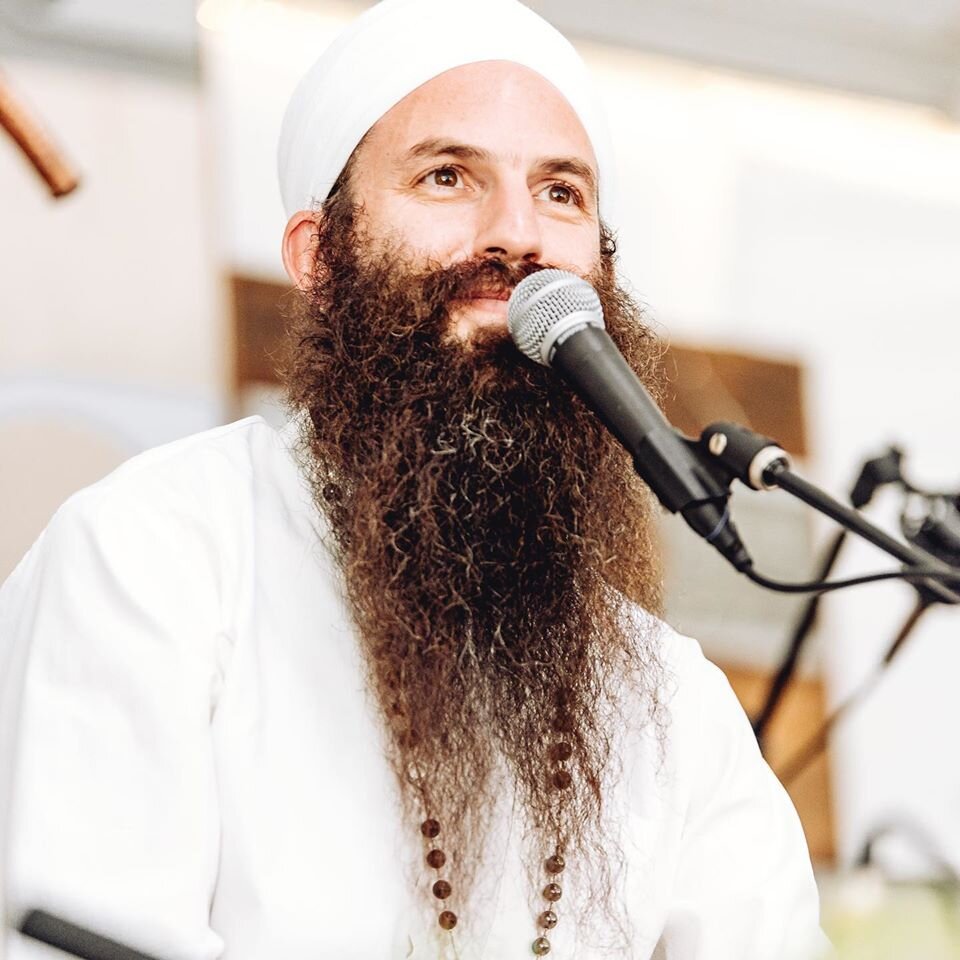
Panchakarma is Ayurveda's classical detoxification and rejuvenation protocol designed to restore the body's vitality and support longevity. Rather than a single treatment, it is a coordinated system combining herbal detoxification, powders, tablets, mineral preparations, and specialized therapies conducted over a structured retreat period. The approach works not just through physical cleansing but through meditation-linked bodywork and practical lifestyle education that participants integrate into daily life after the retreat ends.
What Is Panchakarma in Ayurveda?
Panchakarma—literally "five actions"—is Ayurveda's foundational detoxification protocol. According to Jai Dev Singh, the approach combines multiple modalities: "I use some herbal detox, some powders, some herbal tablets and some mineral preparations also and some therapies. It's called the punch karma detoxification" (0:33). Rather than a single therapeutic technique, Panchakarma integrates chemical, botanical, and manual therapies into a comprehensive system aimed at restoring what Ayurveda calls the body's natural vitality and functional balance.
The philosophical underpinning of Panchakarma rests on Ayurveda's view of longevity. As Singh frames it: "How to keep body young, vital and energetic for long time. The science of longevity that is ayurveda" (0:20). Panchakarma is not a one-off detox but a protocol anchored in the Ayurvedic principle that systematic cleansing of accumulated toxins (called ama in Ayurvedic terminology) enables the body to maintain its regenerative capacity.
What Are the Components of a Panchakarma Retreat?
A Panchakarma retreat integrates multiple treatment streams delivered in sequence over a concentrated period. Singh describes the retreat setting: "The retreat was amazing. When I first got here, I was just really taken with the retreat center itself. It's such a profound silence and and the beauty of being here in the Blue Ridge Mountains is just a phenomenal setting to come to Pancha Karma" (0:45). The environment—quiet, removed from daily stress—is itself therapeutic, allowing the body's detoxification systems to operate without interference from sensory overstimulation.
Within that setting, participants encounter a mix of internal preparations and external therapies. The herbal detox preparations and mineral formulations target systemic cleansing, while therapies address muscle, tissue, and nervous system release. One of the most distinctive interventions is what Singh refers to as the "Marva treatment"—a deep tissue therapy integrated with meditation: "My ultimate highlight was the Marva treatment. Like, you go into this really deep meditation. It was amazing" (0:83). This combination reflects Ayurveda's integration model: physical therapy deepened by conscious awareness work, not merely mechanical tissue manipulation.
Why Does Practical Instruction Matter in Panchakarma?
One common limitation of reading Ayurvedic theory independently is the gap between conceptual understanding and actionable practice. As one retreat participant notes: "You read the book, but if you don't have someone boiling it down, some practical ways to utilize it and then actually showing you" (0:72), the knowledge remains abstract. Part of the Panchakarma retreat structure is demystifying Ayurvedic principles through direct instruction—not just receiving treatments but learning the logic behind them and how to extend those principles into post-retreat life.
This educational component transforms Panchakarma from a clinical intervention into a learning retreat. Participants gain insight into diet, routine, herbal self-care, and lifestyle adjustments that support the body's natural detoxification and regeneration. The goal is not temporary purging but integrated understanding that allows participants to maintain cleaner internal terrain long-term.
What Physical Changes Do Participants Report?
Retreat participants report measurable shifts in physical function and sensation. One attendee describes: "I feel lighter, less congestion whether in the stomach or uh in my head" (0:112). This sense of lightness—not weight loss per se but a reduction in the heaviness associated with accumulated toxins—is frequently reported. Another participant notes: "My sleep has always been good, but um I noticed that it's more restful" (0:117). The deepening of sleep quality despite no change in sleep quantity suggests enhanced nervous system settling and parasympathetic tone.
A healthcare professional attending noted: "As a health care professional, I know the importance of self-care. And this was a gift that I gave to myself. It was just amazing" (0:139). Framing Panchakarma as a deliberate self-care investment—rather than a symptom-chasing intervention—aligns with Ayurveda's preventive orientation: maintaining vitality and resilience before dysfunction sets in.
How Does the Retreat Structure Support Transformation?
Panchakarma retreats typically limit group size to maximize personalization. One participant remarks: "I like the idea that they were restricting to 10" (0:121), suggesting that keeping cohorts small allows practitioners to tailor protocols to individual constitutions and needs. Ayurveda is fundamentally individualized; a Panchakarma protocol for a Vata-dominant person differs substantially from one for Pitta or Kapha types. Small group size enables that personalization.
The intensity and immersion of a multi-day retreat also creates conditions unavailable in weekly clinic visits. By removing daily distractions, limiting social obligations, and structuring meals and activities around cleansing rhythms, participants' nervous systems can settle more fully. This sustained parasympathetic activation is itself healing; chronic stress and fragmentation prevent the deep rest required for genuine detoxification and tissue regeneration.
What Is the Lasting Benefit of Panchakarma?
Panchakarma is not positioned as a magical cure but as a reset and an education. One participant summarizes: "I didn't know I would learn so much that I could take on with me" (0:106). The takeaway includes both the immediate sensation of cleansing and the practical knowledge to maintain that clarity. Another reflects: "You're going to learn new things and you're going to relax a lot" (0:150)—acknowledging that Panchakarma delivers both intellectual content and nervous system restoration.
The superlative assessment from one attendee—"It's very positive and it's the best week that I've spent in my life. It was worth everything" (0:123)—points to something beyond clinical efficacy. Panchakarma, conducted in a dedicated retreat environment with skilled practitioners and with meditation and bodywork woven throughout, offers a rare convergence of physical treatment, emotional release, intellectual understanding, and spiritual settling.
Where to Go From Here
If you are considering Panchakarma, seek practitioners trained in classical Ayurveda who conduct retreats in environments conducive to deep rest—not wellness spas that market "Ayurvedic treatments" superficially. The Art of Living Retreat Center in Boone, North Carolina offers structured Panchakarma programs combining herbal protocols, specialized therapies like Marva treatment, and educational sessions. Look for programs that limit group size, integrate meditation or conscious bodywork, and include post-retreat guidance for sustaining the cleansing and insights gained. Panchakarma is most effective when understood as a springboard for lifestyle change, not a standalone fix. Work with a practitioner who can assess your individual Ayurvedic constitution (Vata, Pitta, or Kapha dominance) and tailor the protocol accordingly. Finally, consider Panchakarma as preventive medicine and renewal rather than a last resort for advanced illness—Ayurveda is optimized for maintaining vitality, not reversing severe disease.


