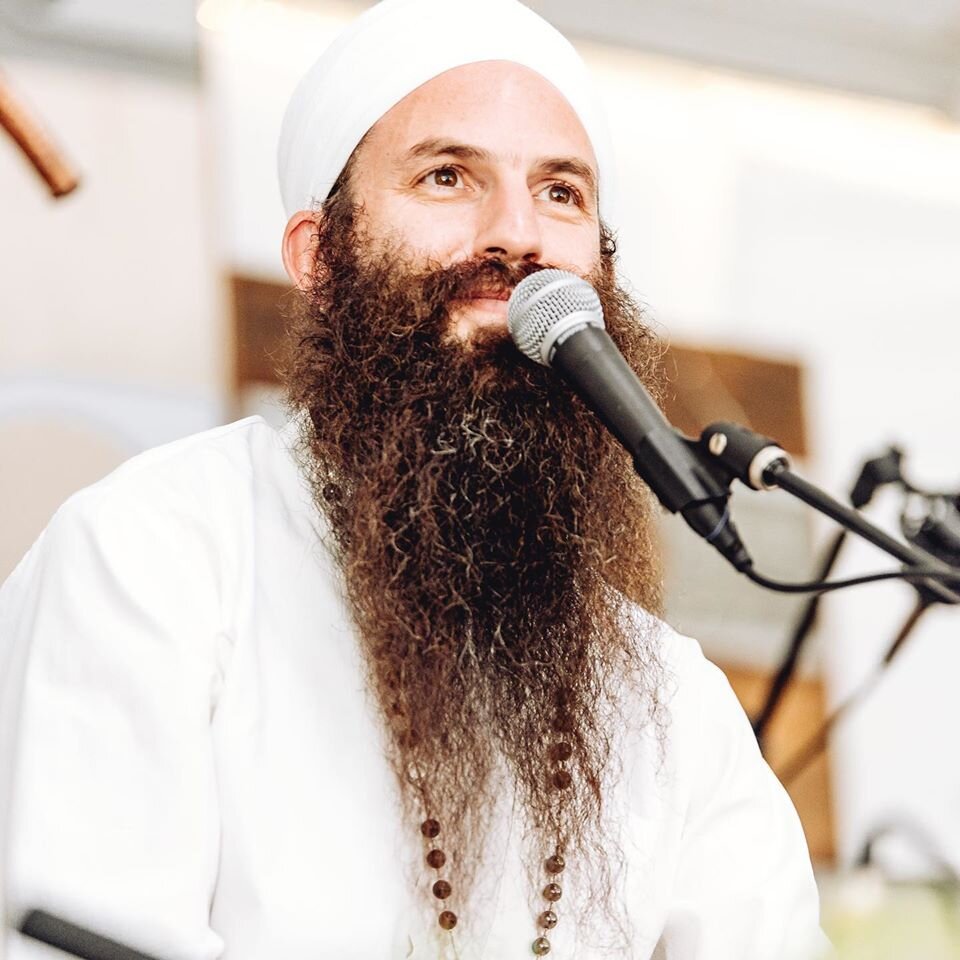
In this brief documentary clip from Art of Living Retreat Center, a participant shares her experience of undergoing a Panchakarma cleanse and describes the profound physical and emotional shifts that occurred. By day three of the protocol, she reports being completely pain-free for the first time in three years, experiencing weight loss, a sense of lightness, and renewed energy—all while noting the compassionate support she received throughout the process.
What is Panchakarma and how does it address chronic pain?
Panchakarma is a classical Ayurvedic detoxification and rejuvenation protocol that aims to remove accumulated toxins (ama) from the body and restore balance to the doshas—the fundamental energetic principles in Ayurvedic medicine. The protocol typically involves specialized oil treatments, herbal therapies, and dietary practices administered over a concentrated period, often 7-21 days depending on the individual's condition and the specific retreat center's approach.
The participant in this video describes a particularly dramatic outcome: pain relief after three years of chronic discomfort. This suggests that her pain may have been rooted in accumulated tension, metabolic imbalance, or systemic inflammation—conditions that Panchakarma is traditionally designed to address. The fact that relief came on day three indicates that even early in the protocol, the body's natural detoxification pathways were being activated and supported through the Ayurvedic treatments.
How does pain relief emerge during a Panchakarma retreat?
The speaker's experience of waking up "completely painfree" on day three points to several mechanisms at work. In Ayurveda, chronic pain is often viewed as stagnation—blocked energy and circulation that accumulates over time. The oil treatments (abhyanga and other massage modalities) used in Panchakarma are designed to warm the tissues, mobilize stored tension, and improve circulation. Herbal preparations consumed during the retreat support the digestive fire (agni), helping the body process and eliminate toxins that may be contributing to inflammation and discomfort.
The three-day timeframe is significant. Many practitioners note that the body often experiences a "release" or crisis phase in the first few days as it begins to shed accumulated waste. What appears as pain relief may reflect a deepening of relaxation as the nervous system recognizes it is in a safe, supported environment. The combination of skilled therapeutic touch, herbal medicine, and the psychological benefit of being held in a care-centered community all contribute to this shift.
What does "lightness of being" mean in the context of cleansing?
The participant emphasizes that her happiness extends beyond the physical weight loss to something she describes as "the lightness of being." This is a crucial distinction. While Panchakarma often does result in weight loss due to the elimination of toxins and fluid retention, the subjective sense of lightness points to something deeper—a shift in how the body feels from the inside.
In Ayurvedic and yogic philosophy, this lightness often correlates with reduced mental and emotional heaviness as well. When the body is burdened by undigested material, both physical and emotional, there is a heaviness that permeates one's experience. As the Panchakarma protocol supports the elimination of these blockages, many participants report not just physical relief but a corresponding shift in mood, clarity, and ease. This "lightness of being" may reflect reduced inflammation, improved nervous system tone, and the psychological lift that comes from experiencing one's body as functional and pain-free again.
What role does care and community play in healing outcomes?
The speaker notes that "everybody's just going so far out of their way to help us," highlighting the role of the retreat environment and the care provided by staff. This observation is not incidental to the healing outcome—it is fundamental. In Ayurveda, the quality of the therapeutic relationship and the energetic environment of the retreat center are considered essential medicines in themselves.
When a person arrives at a retreat center carrying three years of pain, they are often carrying not just physical symptoms but also frustration, isolation, and doubt about recovery. The attentive, unhurried care of trained therapists and support staff communicates to the nervous system that it is safe to relax, that the body is being honored, and that healing is possible. This psychological and relational dimension amplifies the effects of the physical treatments. The participant's gratitude for this care suggests that the experience was not simply clinical but genuinely nurturing.
How does energy and vitality return during a cleanse?
By the end of the three-day period captured in this testimonial, the participant reports feeling "healthy, energetic." This is distinct from the pain relief alone. Returning energy and vitality suggest that the body's inherent regenerative capacity is being activated. After years of managing chronic pain, the nervous system has likely been in a protective, conservation mode—prioritizing pain management over growth and vitality.
As the Panchakarma treatments remove blockages and the body recognizes that it is in a healing environment, the autonomic nervous system can shift from sympathetic dominance (stress, protection) to parasympathetic tone (relaxation, regeneration). In this state, resources that were tied up in managing pain can be redirected toward genuine restoration. The participant's energy may reflect this fundamental shift in her system's operational state.
Where to go from here
For those considering Panchakarma, this brief testimonial offers a window into what is possible—but with an important caveat. The results this participant experienced are real and documented in Ayurvedic practice, but outcomes vary based on individual constitution, the nature of the condition, the quality of the protocol, and the person's capacity to integrate the cleanse afterward. A proper Panchakarma experience typically requires consultation with a qualified Ayurvedic practitioner who can assess whether the protocol is appropriate for your specific condition.
Following a Panchakarma retreat, the integration phase is crucial. The body has been reset; it now requires proper diet, routine, and continued support to sustain the gains. The "lightness" described by this participant is not a permanent state unless it is maintained through aligned living. For anyone experiencing chronic pain, the existence of a protocol specifically designed to address accumulated stagnation—one that works not through suppression but through elimination and restoration—may warrant deeper exploration.


