Vasundhara Talvare, a yoga teacher and life coach from Mumbai, shares her personal experience attending the Oneness Abundance Festival, describing profound inner cleansing, unexpected moments of peace and connection, and an unforgettable encounter with Sri Krishnaji that shifted her sense of what spiritual awakening feels like.
What Is the Oneness Abundance Festival?
The Oneness Abundance Festival represents a gathering designed for spiritual seekers and practitioners interested in direct experience of inner transformation. Rather than a purely intellectual or instructional format, the festival creates a space where participants report encountering tangible shifts in consciousness, emotional release, and connection with teachings and teachers from the Oneness Movement tradition.
The festival draws practitioners from various spiritual backgrounds—yoga teachers, life coaches, dedicated spiritual students—all seeking to move beyond conceptual understanding into lived experience of peace, clarity, and interconnection.
Understanding Inner Cleansing in Spiritual Practice
Vasundhara Talvare's account emphasizes inner cleansing as a central dimension of her festival experience. In contemplative traditions, inner cleansing refers to the release of accumulated emotional residue, mental patterns, and energetic blockages. This is not metaphorical: practitioners often report physical sensations—trembling, crying, waves of sensation in the body—as suppressed material surfaces and resolves.
For a yoga teacher like Talvare, inner cleansing connects directly to the yogic understanding of prana (life force) and the nadis (energy channels). When these channels are blocked by unresolved emotional or psychological material, the flow of energy becomes restricted, limiting both physical vitality and mental clarity. The festival experience facilitated a process where this blockage could be addressed at a deeper level than typical asana or pranayama practice allows.
How Does Direct Experience Differ From Instruction?
One element implicit in Talvare's description is the distinction between receiving teachings about awakening and directly encountering states of consciousness associated with awakening. In many spiritual traditions, this gap is recognized as crucial: intellectual understanding, however sophisticated, does not produce the same neurological and energetic shifts that direct experience does.
At a festival setting—as distinct from a class or workshop—this direct transmission can occur through proximity to teachers, group coherence, and curated environments designed to bypass habitual mental resistance. For Talvare, the inner cleansing and the peace she felt appear to have come not primarily from learning new concepts, but from being in a field or environment that allowed her system to release what was held.
The Significance of Encountering the Teacher
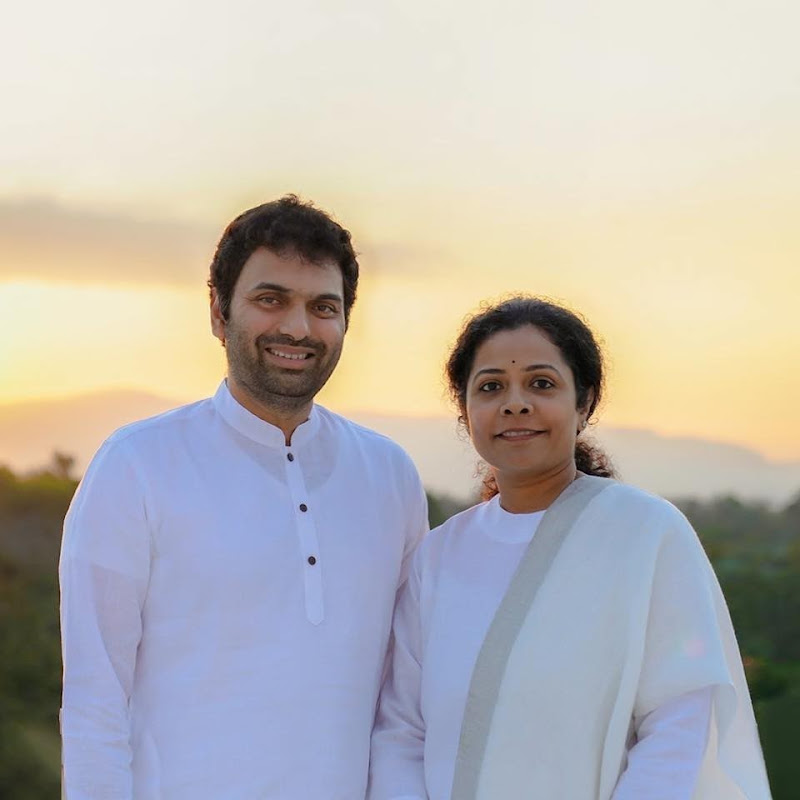
Talvare describes an unforgettable moment with Sri Krishnaji as a pivotal part of her experience. In many spiritual traditions, particularly those with a living teacher lineage, the teacher's presence is understood to catalyze shifts that words alone cannot produce. This is sometimes called darshan—the transformative power of being in the presence of someone established in higher states of consciousness.
From a practical standpoint, an encounter with a teacher in a receptive state (after inner cleansing and opening) can feel revelatory because the nervous system is already in a state of relaxation and openness. The teacher's presence, gaze, or words in that state may trigger recognition or awakening that would be filtered out if the person's system were defended or contracted.
Peace and Magic as Indicators of Genuine Experience
Talvare's language of "peace" and "magic" points to qualities that are difficult to manufacture or fake. Peace, in the context of spiritual experience, typically refers to a cessation of the internal struggle between what is and what should be—a dropping away of resistance and judgment. Magic points to the sense of encountering something beyond what the rational mind expected or could orchestrate.
These qualities matter because they suggest the experience was not merely emotional or psychological in the conventional sense, but involved a genuine shift in how consciousness was organized. A practitioner might feel emotionally cathartic but anxious; or relaxed but bored. The combination of deep inner cleansing, peace, and the sense of encountering something real and alive suggests a multilayered transformation touching different dimensions of the being.
Why Yoga Teachers and Life Coaches Attend Such Festivals
Talvare's dual role as a yoga teacher and life coach is significant. Practitioners in these fields often reach a point where their own practice deepens and they seek direct encounter with teachers or traditions beyond what they can access through classes or certifications. A festival offers concentrated time in a coherent environment—something not available in the compartmentalized structure of normal life.
For a yoga teacher, inner cleansing and awakening are not abstract concepts but directly relevant to effectiveness with students. A teacher who has genuinely experienced states of peace and inner opening can transmit these not through words but through their own nervous system's coherence. Talvare's experience, therefore, is not just personal but has implications for how she meets her students and what she can offer them.
The Role of Community and Collective Field
Although Talvare's account focuses on her individual experience, the festival context implies a collective dimension. Spiritual gatherings create what some traditions call a "field"—a coherence of intention, energy, and consciousness that arises when many people gather with shared commitment to awakening. This field amplifies individual experience: what might take months or years in isolation can unfold more rapidly in a gathered community.
The festival format, by bringing together multiple participants, multiple teachers, and sustained focus over days or weeks, creates conditions where this amplification becomes possible. Talvare's deep cleansing and peace may have been catalyzed partly by her own openness and practice, and partly by the field generated by hundreds of other practitioners in the same space with the same intention.
Is Transformation Lasting?
Talvare describes her festival experience as powerful and meaningful, but it's important to understand that a single event, however profound, initiates a process rather than completing one. Spiritual experiences can open doors or clear blockages, but integration—the work of living from the insight and peace accessed during the festival—is ongoing. For practitioners like Talvare, the value of such events often lies in the momentum and recognition they provide, which then must be sustained through continued practice and embodied choice.
Where to go from here
If you are drawn to Talvare's description of the Oneness Abundance Festival, consider what genuine awakening means in your own context. Do you seek intellectual understanding of spiritual concepts, or direct experience of peace and inner clarity? Many spiritual seekers benefit from distinguishing between these motivations, as the former can be pursued through study and the latter typically requires time in a coherent environment with teachers and practitioners further along the path. If you find yourself called to explore inner cleansing and awakening, investigate whether a festival or retreat in a tradition that resonates with you might provide the concentrated conditions your own practice requires. Finally, recognize that any experience of peace or opening is not the end of the journey but an invitation to deeper commitment to living from that awakening in daily life.