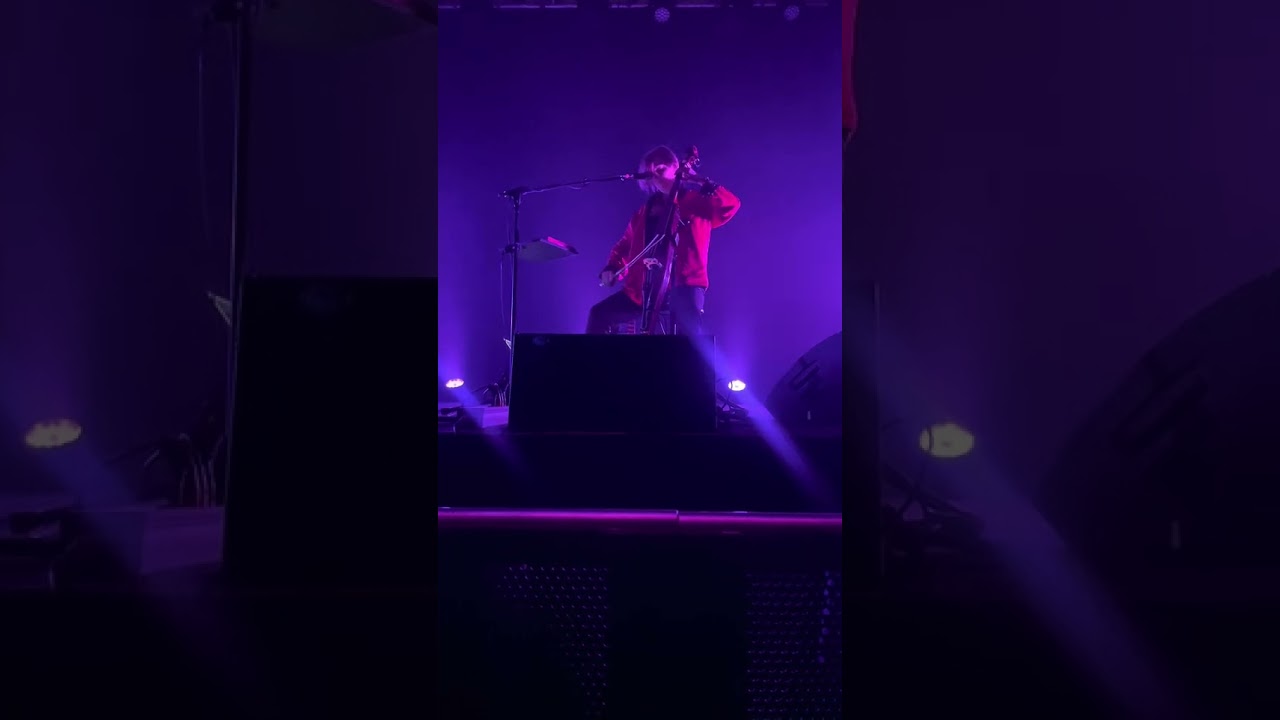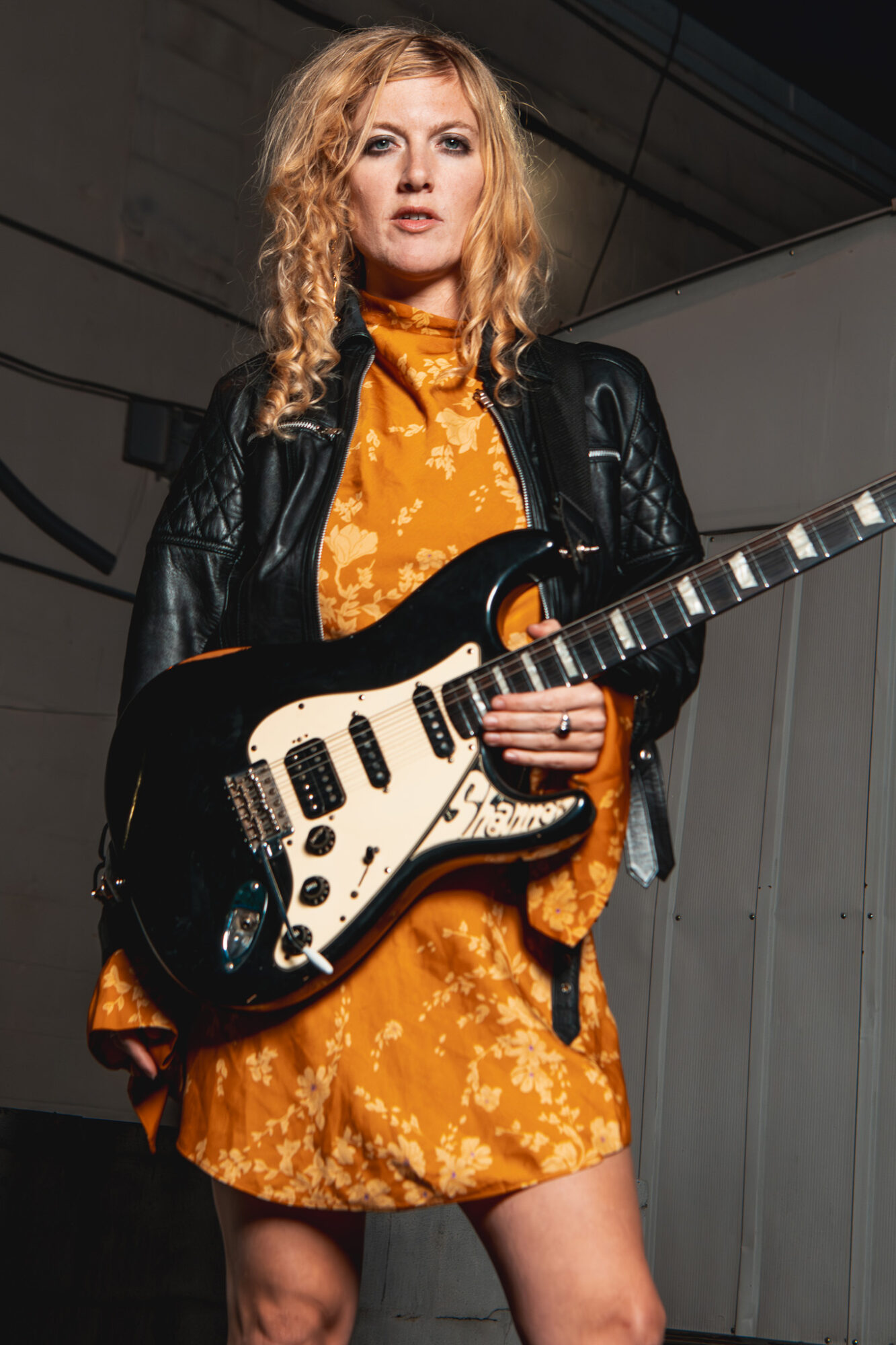
Shannon Hayden performs Noel Nouvelet, a classical Christmas carol, at the Jackson Avenue Coffeehouse. This video captures a live musical offering of one of Hayden's favorite seasonal pieces, demonstrating how traditional sacred music can serve as a vessel for holiday expression and communal gathering. Though brief, the performance represents the integration of spiritual music into intimate, secular spaces—a practice that reflects how contemplative and sacred traditions continue to shape modern musical culture.
What is Noel Nouvelet?
Noel Nouvelet is a traditional French Christmas carol with roots in medieval European music. The title translates roughly to "New Christmas" or "New Noel," and the carol has been recorded and performed by numerous artists across centuries. The melody is elegant and understated, often performed solo with minimal accompaniment, allowing the voice and lyrics to carry the spiritual weight of the piece. As a "noel"—a category of Christmas song—it belongs to a tradition of sacred seasonal music designed to mark the birth of Christ through melody and communal singing.
How does this performance fit into Shannon Hayden's musical practice?
Shannon Hayden is a musician known for integrating sacred and contemplative traditions into contemporary performance contexts. By choosing to perform Noel Nouvelet at the Jackson Avenue Coffeehouse—a secular, community space rather than a church or formal concert hall—Hayden demonstrates a modern approach to sacred music: one that honors traditional forms while making them accessible in everyday settings. The coffeehouse, with its intimate atmosphere and diverse audience, becomes a temporary sanctuary for musical reflection. This mirrors broader trends in spiritual practice, where traditional forms are brought outside institutional walls and into spaces where people naturally gather.
Why perform Christmas carols in secular venues?
The choice to perform a Christmas carol in a coffeehouse rather than a church reveals several things about contemporary spiritual music. First, it suggests that sacred music need not be confined to religious institutions—it can carry meaning and beauty in any gathered space. Second, the coffeehouse audience is self-selected but not necessarily religiously identified, meaning the carol can be experienced as music, culture, and human expression rather than as doctrinal content. Third, this placement reflects a broader cultural shift in which spirituality, music, and secular life are increasingly understood as interconnected rather than separate domains. The performance, occurring during the holiday season (the video was posted December 23), also acknowledges how Christmas operates in culture both as religious observance and as a time of reflection, gathering, and shared human experience.
What role does the live performance context play?
Live performance creates a unique relationship between musician, audience, and music that differs fundamentally from recorded music. In a coffeehouse setting, the performer and listeners share physical space and time; there is no mediation by studio production. The intimacy of this context—the proximity, the acoustic properties of the room, the attention of a gathered community—amplifies the emotional and spiritual resonance of the piece. For a carol like Noel Nouvelet, which relies on the purity and presence of the voice, this unmediated environment is particularly potent. The performer's breath, the subtle variations in tone, the moments of silence between phrases—all these become available to listeners in ways that a polished recording might minimize. This is why musicians and listeners alike often describe live performance as "present" in a way that recorded music, however beautiful, may not be.
How do traditional carols function in contemporary spirituality?
Traditional Christmas carols like Noel Nouvelet carry centuries of cultural and spiritual meaning. They are texts and melodies that have been shaped by generations of singers, each adding their own interpretation while remaining rooted in a shared tradition. For contemporary practitioners of spirituality—whether religiously affiliated or not—these carols offer several things: a connection to historical practice and lineage; a form that has proven capable of moving human hearts across time; and a shared cultural reference that creates immediate recognition and belonging. When a musician like Hayden chooses to perform a carol, she is not simply singing a song; she is participating in an unbroken lineage of singers and invoking the collective memory and meaning embedded in that form. This is one way that traditional spirituality remains alive and relevant in secular modernity: through the continued performance and reinvention of inherited forms.
Where to go from here
If you are interested in exploring how sacred music functions in contemporary life, consider seeking out live performances of traditional carols and hymns in unexpected venues—not only churches and concert halls, but community spaces where music emerges naturally from gathering. Listen closely to how the live voice, without heavy production, carries meaning. If you practice any spiritual tradition, consider how music and song might deepen your own practice. And if you are unfamiliar with Noel Nouvelet or similar carols, this performance offers an accessible entry point into a rich tradition of sacred music. The intimacy of the coffeehouse setting makes it an ideal context for first encountering pieces that might feel formal or distant in other environments.