SportsCampFinder

Browse All Camps

Find the perfect camp for your athlete

camps

Basketball Camps
Soccer Camps
Baseball Camps
Football Camps
Volleyball Camps
Lacrosse Camps
Multi-Sport Camps
Elite Training
Overnight Camps
Day Camps
Popular Destinations
BaliSedonaLos AngelesCosta RicaNew YorkSan FranciscoAustinMiamiJoshua TreeTulum
View All CategoriesView All Destinations

Explore All Features

Powerful tools to grow your events

Platform Features

Smart Dynamic Pricing
Ticket Categories
Assigned Seating
Abandoned Cart Recovery
Visitor Recovery
Donations & Sliding Scale
Affiliate Engine
Ticket Scanner
Coupon Codes
Custom Questions
Ticket Sharing
Upsells & Add-ons
Analytics & Reporting
Email Sequences
Waitlist / Notify / Remind
People & Places
Camp OrganizersCamp FacilitiesKnowledge BaseInspiration
View All FeaturesAbout Us
PricingBlog
Language
Saved events
Browse All Events

camps

Basketball CampsSoccer CampsBaseball CampsFootball CampsVolleyball CampsLacrosse CampsMulti-Sport CampsElite Training

Popular Destinations

BaliSedonaLos AngelesCosta RicaNew YorkSan Francisco

People & Places

Camp OrganizersCamp FacilitiesKnowledge BaseInspiration

Platform Features

Smart Dynamic PricingTicket CategoriesAssigned SeatingAbandoned Cart RecoveryVisitor RecoveryDonations & Sliding ScaleAffiliate EngineTicket ScannerCoupon CodesCustom QuestionsTicket SharingUpsells & Add-onsAnalytics & ReportingEmail SequencesWaitlist / Notify / Remind
View All FeaturesAbout Us
PricingBlog
Log inParents & athletesCamp directors
  • Browse all camps
  • Basketball Camps
  • Soccer Camps
  • Baseball Camps
  • Football Camps
  • Volleyball Camps
  • Lacrosse Camps
  • Multi-Sport Camps
  • Elite Training
  • All sports →
  • Orlando
  • Los Angeles
  • New York Metro
  • Dallas / Fort Worth
  • Chicago
  • Phoenix / Scottsdale
  • Atlanta
  • Denver
  • Seattle
  • Boston
  • Houston
  • Philadelphia
  • San Diego
  • Minneapolis / St. Paul
  • All Cities →
  • List your camp
  • Camp director dashboard
  • Pricing
  • Coaches & academies
  • Online registration & payments
  • Waivers & medical forms
  • Check-in app
  • Family messaging
  • Waitlist & notify
  • Camp marketing
  • Reports
  • All features →
  • About SportsCampFinder
  • Camp guides
  • Help Center
  • Contact
  • Careers
  • Press
  • Terms of Service
  • Privacy Policy

Camps

  • Browse all camps
  • Basketball Camps
  • Soccer Camps
  • Baseball Camps
  • Football Camps
  • Volleyball Camps
  • Lacrosse Camps
  • Multi-Sport Camps
  • Elite Training
  • All sports →

Destinations

  • Orlando
  • Los Angeles
  • New York Metro
  • Dallas / Fort Worth
  • Chicago
  • Phoenix / Scottsdale
  • Atlanta
  • Denver
  • Seattle
  • Boston
  • Houston
  • Philadelphia
  • San Diego
  • Minneapolis / St. Paul
  • All Cities →

For Camp directors

  • List your camp
  • Camp director dashboard
  • Pricing
  • Coaches & academies

Features

  • Online registration & payments
  • Waivers & medical forms
  • Check-in app
  • Family messaging
  • Waitlist & notify
  • Camp marketing
  • Reports
  • All features →

Company

  • About SportsCampFinder
  • Camp guides
  • Help Center
  • Contact
  • Careers
  • Press
  • Terms of Service
  • Privacy Policy
SportsCampFinder
© 2026 SportsCampFinder. All rights reserved.
Inspiration

Mahashivratri 2025: Understanding theNight of Shiva

Sadhguru
Sadhguru
Feb 26, 2025
6 min read

Mahashivratri is one of Hinduism's most significant nights, dedicated to the remembrance and worship of Shiva. Falling on the 14th night of the waning moon in late February or early March, this annual observance offers practitioners an opportunity to align themselves with Shiva's energy through meditation, fasting, and contemplative practice. Rather than a passive ritual, Mahashivratri represents a window—both astrologically and energetically—for deeper spiritual work and transformation.

Read · 7 sections

What Is Mahashivratri and Why Does It Matter?

Mahashivratri, literally "the great night of Shiva," is one of the most revered nights in the Hindu calendar. Occurring on the 14th night of the waning moon (Krishna Paksha Chaturdashi) each year, this observance invites millions of practitioners to turn their attention inward and engage with Shiva consciousness. The night is not arbitrary—according to yogic science and traditional understanding, certain nights and times carry particular energetic significance, and Mahashivratri is regarded as one of the most potent.

The significance of Mahashivratri extends beyond mythology. In yogic tradition, Shiva represents the principle of supreme consciousness—the witness, the transcendent, the still center around which all existence moves. To remember Shiva on this night is to align oneself with this principle of stillness and inner dissolution, which paradoxically brings clarity and wholeness.

How Is Mahashivratri Traditionally Observed?

The observance of Mahashivratri typically involves several practices designed to keep the practitioner awake and inwardly focused throughout the night:

  • Wakefulness: The central practice is to remain awake through the night, preventing sleep and maintaining conscious awareness. This is not merely a physical discipline but a means of keeping the mind from slipping into habitual patterns and unconscious states.
  • Meditation and chanting: Many practitioners spend the night in meditation, chanting mantras, or engaging in devotional practices. The repetition of sacred sounds like "Om Namah Shivaya" is believed to attune consciousness to Shiva's frequency.
  • Fasting: Traditional practice includes fasting or eating only simple, sattvic foods. This lightens the physical body and creates the internal conditions for deeper meditative states.
  • Rituals: Abhisheka (ritual bathing) of Shiva lingams, offerings of flowers and water, and prayers form part of the observance, both in temples and in individual practice.

These practices are not superstitious or merely symbolic. In yogic understanding, they are mechanisms for preparing the body and mind—reducing physiological noise, settling the nervous system, and creating receptivity to subtler dimensions of experience.

Why Does Staying Awake Matter on Mahashivratri?

The practice of remaining awake throughout Mahashivratri night is central to the observance. In ordinary life, sleep represents a loss of consciousness—the mind's withdrawal into dream and unconsciousness. On Mahashivratri, the invitation is to reverse this tendency: to remain conscious, aware, and present through the entire night. This creates a unique opportunity for the mind to function in a different mode—less reactive, less bound by habit, more receptive to subtler dimensions of existence. Rather than fighting sleep through caffeine or stimulation, the traditional approach is to use meditation, chanting, and spiritual practice to keep consciousness engaged and awake from within.

The Astrological and Energetic Significance

In yogic and Tantric traditions, the phase of the moon influences human physiology and consciousness. The 14th night of the waning moon (Krishna Paksha Chaturdashi) is considered particularly auspicious for inward-turning practices. The waning moon period itself is associated with dissolution, letting go, and the turning inward of consciousness. On this specific night, the gravitational and electromagnetic influences are thought to create conditions particularly favorable for meditation and the settling of the mind into deeper states. This is not metaphorical but understood as a matter of physics and physiology—the body and mind genuinely operate differently under different lunar phases, and Mahashivratri night amplifies the natural inward turn of the waning moon.

Shiva as a Principle, Not Just a Deity

In yogic understanding, Shiva is not merely a god to be worshipped in the devotional sense, but a principle—the principle of pure consciousness, of dissolution, of the transcendent. Unlike other Hindu deities who are associated with creation or sustenance, Shiva represents the cosmic dance of destruction and recreation, the eternal stillness underlying all change. To "remember" Shiva on Mahashivratri is to orient one's consciousness toward this principle of pure awareness—the witness that observes all phenomena without being caught in them.

This is why the night can matter equally to a devoted practitioner of a particular religion and to a secular meditator: the practices and the shifts in consciousness they generate are available to anyone willing to engage with them, regardless of belief system. The meditation, the wakefulness, the fasting—these work on the nervous system and the mind directly.

Preparing for Mahashivratri: Practical Engagement

For those interested in engaging with Mahashivratri, preparation matters. The night works best when the body and mind are already somewhat settled and receptive:

  • Begin lighter practices in advance: In the days or weeks before, introduce meditation, pranayama, or simple yoga practices to familiarize the body and mind with inward focus.
  • Reduce stimulation: Lower your intake of stimulating foods, media, and conversations in the week leading up to the night. This creates a cleaner internal slate.
  • Have a plan: Decide in advance how you will spend the night—through meditation, chanting, reading sacred texts, or conscious sitting. Aimless wakefulness is less powerful than focused practice.
  • Create space: If possible, set aside a quiet place, reduce your commitments the following day, and give yourself permission to be fully present with the practice.

The night is offered to anyone willing to show up for it. There is no competition, no judgment of "success" or "failure." The value lies in the sincere effort to remain conscious and present when the tendency is to sleep, and to orient the mind toward the principle of Shiva—pure consciousness—when the mind's natural tendency is distraction.

Where to Go From Here

Mahashivratri is ultimately an invitation to test the possibility of deeper consciousness and presence within yourself. Whether you approach it as a spiritual practitioner, a curious seeker, or simply someone interested in exploring human potential, the night offers a genuine opportunity for inner work. The practices are ancient and have been refined over millennia; they work on the human system in measurable ways. If you are drawn to engage with Mahashivratri, consider it not as a performance of faith but as an experiment—a night to see what becomes possible when you offer your full consciousness to stillness, presence, and the remembrance of the transcendent principle within and around you.

Comments

Loading the conversation…

Sadhguru
ArtistSadhguru

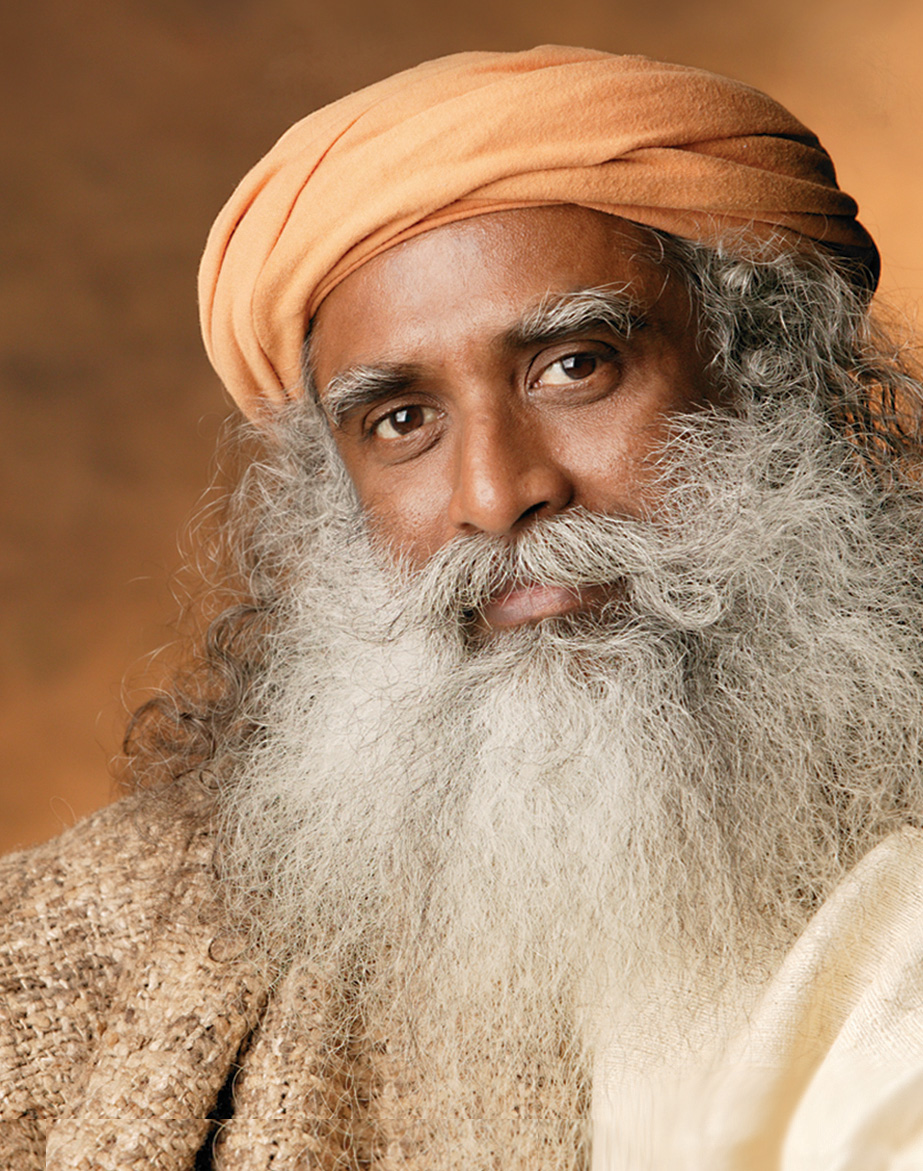
Indian yogi, mystic, and founder of the Isha Foundation. Through his programs (Inner Engineering, Bhava Spandana, Samyama) and books, he has introduced millions worldwide to a cont…

View profileWebsite
Explore Topics
MahashivratriShivaMeditation-practiceConsciousnessSpiritual-observance

Got Questions?

Frequently Asked Questions

Mahashivratri is a sacred night dedicated to Shiva, occurring on the 14th night of the waning moon (Krishna Paksha Chaturdashi) in the Hindu calendar, typically falling in late February or early March. It is one of Hinduism's most significant observances and is marked by meditation, fasting, and remaining awake through the night.
Staying awake throughout Mahashivratri is a central practice designed to maintain conscious awareness and prevent the mind from slipping into habitual unconscious patterns. The wakefulness, combined with meditation and spiritual practice, creates conditions for deeper inward focus and attunement to Shiva consciousness.
In yogic tradition, Shiva represents the principle of pure consciousness, the eternal witness, and transcendent stillness underlying all existence. Unlike deities associated with creation or sustenance, Shiva embodies the cosmic principle of dissolution, transformation, and absolute awareness.
Mahashivratri practices work on the nervous system and mind directly, making them accessible to anyone regardless of religious belief or background. The meditation, wakefulness, and fasting generate shifts in consciousness through physiological and psychological mechanisms that transcend religious identity.
Traditional Mahashivratri observance includes fasting or eating only simple, sattvic (light, pure) foods. This lightens the physical body and creates internal conditions conducive to deeper meditation. Many practitioners consume fruits, milk, or light vegetarian meals while avoiding stimulating or heavy foods.
In yogic science, the 14th night of the waning moon is considered auspicious for inward-turning practices. The waning lunar phase is associated with dissolution and turning inward; on Mahashivratri specifically, the gravitational and electromagnetic influences are believed to create conditions particularly favorable for meditation and inner work.

Continue Reading

More from Sadhguru

View All
Inspire Your Children to Listen Through Personal Example
Inspire

Inspire Your Children to Listen Through Personal Example

Don't demand obedience. Instead, become someone your children genuinely admire and want to emulate. That's the true foundation of parental i…

1 min read
Mortality as a Wake-Up Call: Grief as a Path to Living Fully
Inspire

Mortality as a Wake-Up Call: Grief as a Path to Living Fully

When someone we love passes, we confront the fleeting nature of existence. A spiritual teacher shows how loss becomes an opportunity to recl…

1 min read
Govinda Jaya: How Sacred Sound Awakens the Heart
Inspire

Govinda Jaya: How Sacred Sound Awakens the Heart

Radhika Das channels the liberating power of mantra through a luminous kirtan performance at Medicine Festival, invoking divine names to pur…

1 min read
Om Namah Shivaya Chant: Ecstatic Trance Meditation
Inspire

Om Namah Shivaya Chant: Ecstatic Trance Meditation

Jai Uttal guides listeners into an ecstatic chant trance with Om Namah Shivaya, the Sanskrit invocation of Shiva consciousness. A 91-second …

1 min read

Keep exploring

Continue your journey

More wisdom and gatherings from across the BrightStar directory.

More Articles

Browse the full library of teachings, interviews, and guides.

Back to all articles →

Teachers & Artists

Explore the lineages, musicians, and guides of the conscious world.

Explore artists →

Find an Event

Kirtan, retreats, sound baths, breathwork, festivals — happening soon.

Browse events →