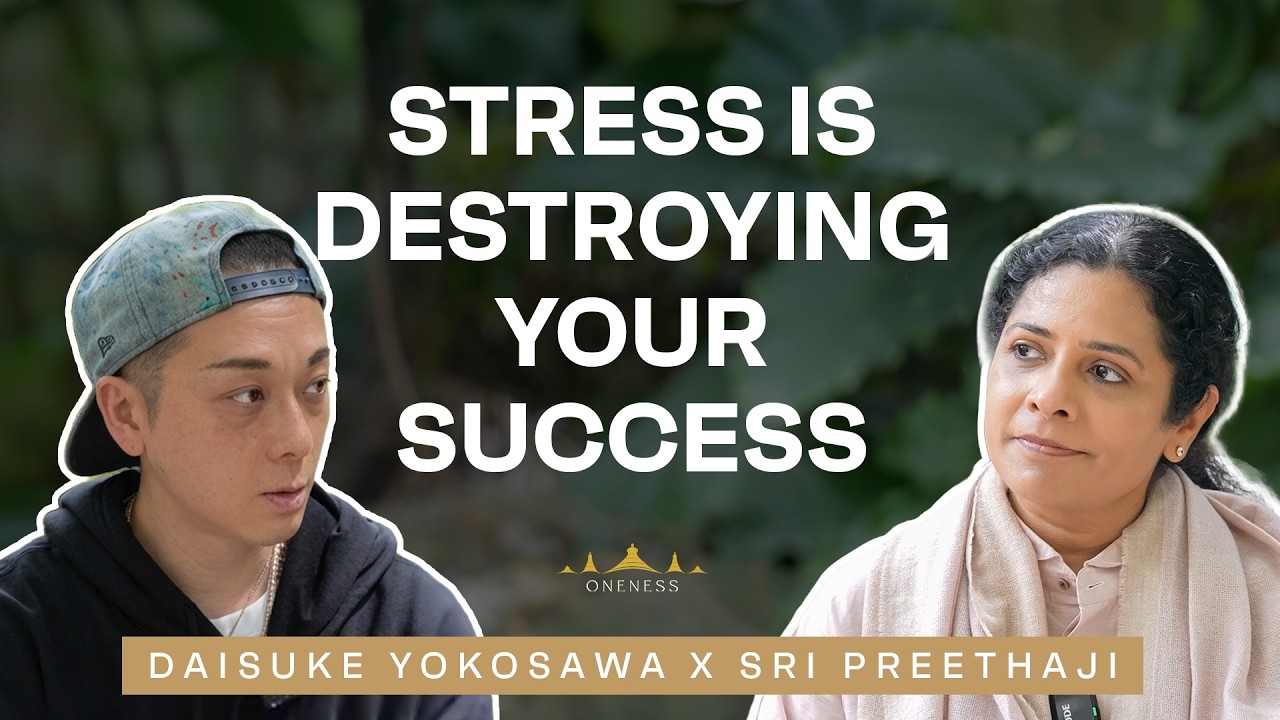
Arrogant attitudes—fixed judgments about ourselves, others, and the world—create rigid psychological patterns that block growth, connection, and flexibility. Sri Krishnaji teaches that the path forward lies not in suppressing these attitudes, but in recognizing how they operate, understanding the fear beneath them, and consciously choosing openness and receptivity instead. This shift from judgment to curiosity is both a psychological and spiritual necessity.
What Is an Arrogant Attitude?
An arrogant attitude is not simply confidence or self-assurance. Rather, it is a rigid position we adopt toward reality—a fixed belief about who we are, what others are like, or how the world works. When we cling to attitudes, we stop questioning. We stop learning. We lock ourselves into a single perspective and defend it against all evidence to the contrary.
The Oneness teachings describe this as a form of psychological contraction. When we hold a strong attitude, we are essentially saying: "I know what this is. I know what this person is. I know what I am capable of." This closure feels like safety, but it functions as a cage. The mind mistakes familiarity for truth.
How Do Attitudes Hinder Personal Growth?
Attitudes act as filters that distort perception. If you hold the attitude "I am not creative," you will interpret ambiguous situations as confirmation of that belief. When someone offers a creative idea, your attitude tells you: "See, I could never do that." The attitude itself becomes self-fulfilling.
More subtly, arrogant attitudes prevent the kind of genuine listening and openness that enables transformation. If you believe you already understand someone, you stop truly hearing them. If you are convinced of your own limitations, you never test those boundaries. Growth requires the willingness to say "I don't know" and to stay in that unknowing space long enough for new understanding to emerge.
The Oneness perspective teaches that judgment and arrogance are intimately connected. When we judge ourselves or others harshly, we are imposing a fixed label—"I am a failure," "They are selfish"—and treating that label as final. This judgmental stance prevents us from seeing the fuller, more complex reality beneath the label.
Why Do We Cling to Attitudes and Judgments?
At the root of rigid attitudes lies fear. We hold onto beliefs about ourselves and the world because they provide a sense of control and predictability. If we believe we already know what will happen, we feel less vulnerable to surprise, rejection, or failure. The attitude becomes a defense mechanism.
Additionally, our mind has been conditioned by years of past experience. It has learned to categorize people, situations, and ourselves into neat boxes. This categorization feels efficient, but it is also deeply limiting. We mistake the map for the territory.
The arrogant mind also resists change because change threatens the identity we have built around our beliefs. If I have spent years believing "I am not good with people," admitting that I might actually be capable of connection means I must let go of that familiar identity. The discomfort of that dissolution keeps many of us locked in attitudes that no longer serve us.
What Does It Mean to Shift Into an Open Mindset?
An open mindset is not the opposite of having convictions. Rather, it is the willingness to hold your beliefs lightly, to remain curious, and to update your understanding when you encounter new information. It is the capacity to say: "This is what I understand now, but I remain open to being wrong."
Sri Krishnaji's teaching suggests that this shift happens at the level of attention and intention. Instead of defending a fixed position, you consciously turn your attention toward genuine inquiry: "What is actually true here? What am I not seeing?" This simple redirection of awareness can dissolve the rigidity of an arrogant attitude.
An open mindset also involves recognizing the difference between thinking and knowing. You may think you know what someone is like based on past behavior, but true knowing requires direct, present-moment perception. Most of our judgments are based on thinking—on the mind's recycled conclusions. Openness means setting those conclusions aside, at least temporarily, and perceiving freshly.
How Can You Recognize Arrogance in Yourself?
The first step toward transcending arrogant attitudes is recognizing them as they arise. Some signs include:
- Defensiveness: When your viewpoint is questioned, do you immediately justify and defend? Or can you genuinely consider the other perspective?
- Certainty: Do you find yourself thinking "I know exactly what will happen" or "I know exactly what they meant"? This premature closure is a hallmark of arrogance.
- Judgment: Do you quickly label people, situations, or yourself in absolute terms? Labels are attitudes hardened into apparent facts.
- Resistance to feedback: When someone offers criticism or a different viewpoint, can you receive it with genuine curiosity, or do you automatically reject it?
- Repetitive patterns: If you find yourself in the same conflicts, the same self-doubts, or the same relationship dynamics repeatedly, an underlying arrogant attitude may be at play—a fixed belief you keep confirming.
Awareness is the first doorway to change. Once you notice the attitude, you have created space between the attitude and your identification with it. You are no longer entirely fused with the belief.
Practical Steps to Transcend Judgment and Arrogance
Name the attitude without shame. When you catch yourself in judgment or rigidity, simply name it: "There's the attitude that I'm not good enough," or "There's the judgment that they're selfish." Naming it creates distance from it. It is no longer your truth; it is something you are observing.
Ask what you might be missing. Whenever you feel certain about something—especially about another person—pause and genuinely ask: "What might I not be seeing? What am I assuming without evidence?" This humble question opens the mind.
Separate the person from the behavior. Even if someone has acted in a certain way, that behavior does not define the totality of who they are. The Oneness teachings emphasize that every being contains infinite potential. A single behavior or pattern is never the whole truth about anyone.
Practice curiosity instead of judgment. When you notice judgment arising, convert it to curiosity. Instead of "They're being rude," ask "I wonder what they're going through? What might be causing this behavior?" This shift from certainty to inquiry is alchemical—it softens the rigid attitude and opens the heart.
Observe the fear beneath the attitude. Most rigid attitudes have fear at their core. If you cling to the belief "I can't change," there is often a deep fear of failure underlying it. If you judge others harshly, there may be fear of being judged yourself. By turning your attention to the fear rather than the attitude, you address the root cause.
Embrace the discomfort of not knowing. True transformation requires that you become comfortable with uncertainty. When you don't know whether you're capable of something, or what will happen next, resist the urge to fill that gap with a quick judgment. Sit with the unknowing. This is where growth lives.
The Freedom That Comes With Change
When you release an arrogant attitude, something remarkable happens. The energy that was tied up in defending the belief becomes available for living. You are no longer checking reality against your fixed beliefs; you are simply meeting reality as it is.
This creates genuine freedom. You are free to respond freshly to each situation rather than reacting from old conclusions. You are free to relate to people as they actually are rather than as you have decided they are. You are free to discover capabilities in yourself that your old attitudes had declared off-limits.
The Oneness perspective teaches that this shift is not a weakness—it is the greatest strength. A mind that can update, learn, and remain open is infinitely more powerful than a mind locked in rigid positions. The willingness to be wrong, to change, and to grow is what allows a human being to fully evolve.
Where to Go From Here
Begin by observing your own attitudes without judgment. Notice which beliefs you cling to, which judgments you defend, which areas of your life feel stuck or repetitive. These are your entry points. Choose one attitude that you suspect is limiting you—about yourself, another person, or the world—and practice genuine curiosity about it. Ask yourself: "Is this definitely true? What evidence am I ignoring? What would it feel like to hold this belief more lightly?"
The shift from arrogance to openness is not a one-time event. It is a practice, a daily return to genuine inquiry and humility. Each moment you choose curiosity over certainty, you are rewiring your nervous system and expanding your capacity for growth, connection, and authentic living.