SportsCampFinder

Browse All Camps

Find the perfect camp for your athlete

camps

Basketball Camps
Soccer Camps
Baseball Camps
Football Camps
Volleyball Camps
Lacrosse Camps
Multi-Sport Camps
Elite Training
Overnight Camps
Day Camps
Popular Destinations
BaliSedonaLos AngelesCosta RicaNew YorkSan FranciscoAustinMiamiJoshua TreeTulum
View All CategoriesView All Destinations

Explore All Features

Powerful tools to grow your events

Platform Features

Smart Dynamic Pricing
Ticket Categories
Assigned Seating
Abandoned Cart Recovery
Visitor Recovery
Donations & Sliding Scale
Affiliate Engine
Ticket Scanner
Coupon Codes
Custom Questions
Ticket Sharing
Upsells & Add-ons
Analytics & Reporting
Email Sequences
Waitlist / Notify / Remind
People & Places
Camp OrganizersCamp FacilitiesKnowledge BaseInspiration
View All FeaturesAbout Us
PricingBlog
Language
Saved events
Browse All Events

camps

Basketball CampsSoccer CampsBaseball CampsFootball CampsVolleyball CampsLacrosse CampsMulti-Sport CampsElite Training

Popular Destinations

BaliSedonaLos AngelesCosta RicaNew YorkSan Francisco

People & Places

Camp OrganizersCamp FacilitiesKnowledge BaseInspiration

Platform Features

Smart Dynamic PricingTicket CategoriesAssigned SeatingAbandoned Cart RecoveryVisitor RecoveryDonations & Sliding ScaleAffiliate EngineTicket ScannerCoupon CodesCustom QuestionsTicket SharingUpsells & Add-onsAnalytics & ReportingEmail SequencesWaitlist / Notify / Remind
View All FeaturesAbout Us
PricingBlog
Log inParents & athletesCamp directors
  • Browse all camps
  • Basketball Camps
  • Soccer Camps
  • Baseball Camps
  • Football Camps
  • Volleyball Camps
  • Lacrosse Camps
  • Multi-Sport Camps
  • Elite Training
  • All sports →
  • Orlando
  • Los Angeles
  • New York Metro
  • Dallas / Fort Worth
  • Chicago
  • Phoenix / Scottsdale
  • Atlanta
  • Denver
  • Seattle
  • Boston
  • Houston
  • Philadelphia
  • San Diego
  • Minneapolis / St. Paul
  • All Cities →
  • List your camp
  • Camp director dashboard
  • Pricing
  • Coaches & academies
  • Online registration & payments
  • Waivers & medical forms
  • Check-in app
  • Family messaging
  • Waitlist & notify
  • Camp marketing
  • Reports
  • All features →
  • About SportsCampFinder
  • Camp guides
  • Help Center
  • Contact
  • Careers
  • Press
  • Terms of Service
  • Privacy Policy

Camps

  • Browse all camps
  • Basketball Camps
  • Soccer Camps
  • Baseball Camps
  • Football Camps
  • Volleyball Camps
  • Lacrosse Camps
  • Multi-Sport Camps
  • Elite Training
  • All sports →

Destinations

  • Orlando
  • Los Angeles
  • New York Metro
  • Dallas / Fort Worth
  • Chicago
  • Phoenix / Scottsdale
  • Atlanta
  • Denver
  • Seattle
  • Boston
  • Houston
  • Philadelphia
  • San Diego
  • Minneapolis / St. Paul
  • All Cities →

For Camp directors

  • List your camp
  • Camp director dashboard
  • Pricing
  • Coaches & academies

Features

  • Online registration & payments
  • Waivers & medical forms
  • Check-in app
  • Family messaging
  • Waitlist & notify
  • Camp marketing
  • Reports
  • All features →

Company

  • About SportsCampFinder
  • Camp guides
  • Help Center
  • Contact
  • Careers
  • Press
  • Terms of Service
  • Privacy Policy
SportsCampFinder
© 2026 SportsCampFinder. All rights reserved.
Inspiration

Healing Through Death: Compassion for Life's Deepest Questions

Be Here Now Network
Be Here Now Network
Jan 15, 2025
7 min read

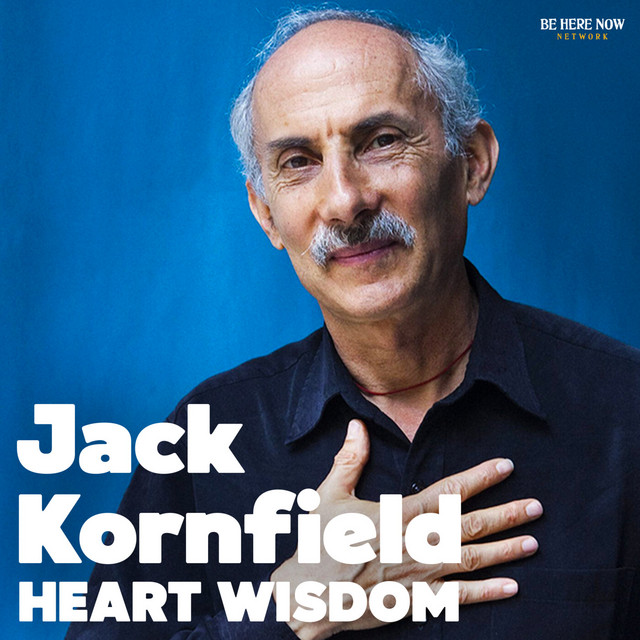
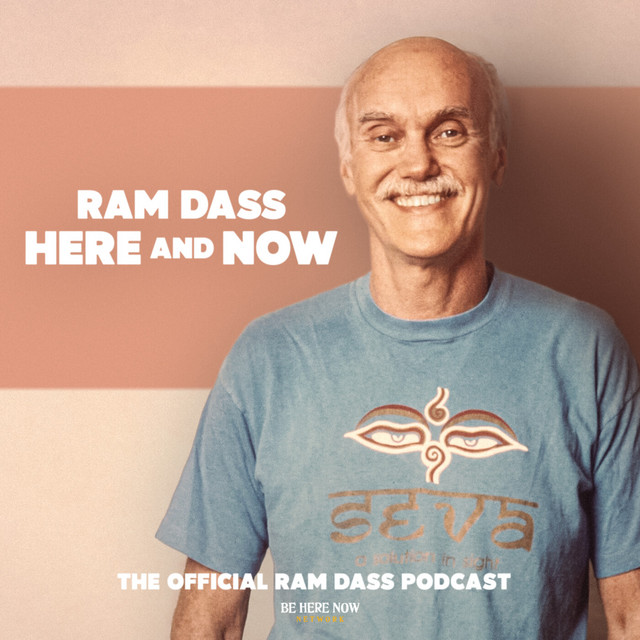
In a candid 1980s dialogue, two contemplative teachers examine how to help people navigate the profound mysteries of death, pain, and rebirth. Rather than avoiding these topics, they argue that clarity and compassion—especially toward our own suffering—form the foundation for genuinely supporting others through their darkest questions. The conversation reframes death not as failure but as a natural transition worthy of investigation, and pain not as something to numb but as a teacher that reveals what matters.

Read · 8 sections

Why Do We Avoid Talking About Death?

Western culture has largely removed death from daily life. We die in hospitals, not at home. We use euphemisms rather than the word itself. This avoidance, the teachers suggest, creates a peculiar problem: when death arrives—as it always does—people are utterly unprepared psychologically and spiritually. The absence of honest conversation about mortality leaves people isolated with their fear.

One core insight is that our discomfort with death often reflects a deeper discomfort with ourselves. If we have not looked clearly at our own relationship to impermanence, how can we help someone else do so? The dialogue suggests that helping others requires first becoming willing to sit with the mystery ourselves—not to solve it, but to befriend it.

What Role Does Compassion Play in Facing Pain?

The teachers emphasize that compassion is not sentimentality or spiritual bypassing. True compassion requires clarity—the willingness to see pain as it actually is, without flinching. This means acknowledging that suffering is real, that loss hurts, that death ends the life we know.

When we approach pain with this dual stance of clarity and compassion, something shifts. Pain stops being an enemy to be conquered or denied, and becomes instead a messenger. In many Buddhist and yogic traditions, suffering is not punitive; it is instructive. It shows us where we are still clinging, where we have not yet surrendered, where our hearts remain defended.

For those supporting others—whether as counselors, family members, or spiritual companions—this perspective is revolutionary. Instead of trying to fix someone's pain or convince them it is not real, we can sit with them, acknowledge the reality of their experience, and help them extract the wisdom that suffering contains.

How Does Reincarnation Change Our Understanding of a Single Life?

The dialogue touches on rebirth as a context for understanding why suffering exists at all. If this is the only life, pain can feel meaningless or cruel. If consciousness continues beyond death in new forms and bodies, pain becomes part of a larger education—lessons the soul carries forward.

This is not offered as dogma but as a framework that many people find liberating. Whether or not one literally believes in reincarnation, the model suggests that we need not understand all suffering immediately. Some karmic or soul-level learning may span multiple lifetimes. This removes the pressure to resolve everything now, and invites a more spacious, compassionate relationship to incompleteness.

What Makes Someone Effective at Helping Others Through Dying or Grieving?

The teachers suggest that the primary qualification is your own willingness to look at these topics unflinchingly. You cannot take another person deeper than you have gone yourself. If you are still defending against the reality of death, still numbing pain, still unwilling to question your own mortality, that resistance will show up in subtle ways that the dying person will sense.

Conversely, someone who has genuinely faced their own death anxiety, who has sat with their own grief and integrated it, carries a different quality. Not cheerfulness or false reassurance, but a quiet confidence that this territory, though difficult, can be traversed. The presence of that confidence is itself healing.

The dialogue also implies that helping is not always about words. Sometimes it is about bearing witness—showing up, listening, not rushing to fix or explain. The heart of healing is often this simple: presence that says, "I am here with you in this, and you are not alone."

How Do We Talk About Reincarnation With Someone Who Is Grieving?

The teachers do not suggest imposing belief in rebirth on a grieving person. Rather, they point to it as one possible way of understanding continuity and meaning in the face of apparent loss. For some people, the idea that a loved one's consciousness might continue in another form offers genuine solace. For others, it feels distant or unhelpful.

The art is to make space for the person's own spiritual framework—whether that is religious, secular, or mystical—and work within it. If someone finds meaning in the possibility of future meetings across lifetimes, that meaning is real and valuable. If someone finds meaning in the legacy they will leave in this life, that is equally valid. The goal is not doctrinal agreement but the restoration of meaning after loss.

What Is the Relationship Between Pain and Growth?

Throughout the dialogue, there is an undercurrent that pain, properly met, becomes the gateway to growth. This does not mean pain is good or that we should seek it. But it does mean that the tendency to anesthetize all pain—chemically, spiritually, or emotionally—may prevent us from the transformation pain can catalyze.

When we are forced by circumstance to stop and feel our pain fully, we often discover things about ourselves: reserves of strength we did not know we had, connections to others that deepen through shared vulnerability, insights into what truly matters. The dialogue suggests that a mature approach to helping others includes helping them stay present to their pain long enough to extract its teaching, rather than rushing them toward numbness or "moving on."

Why Is Clarity About Death a Form of Love?

The teachers propose a counterintuitive idea: that avoiding honest talk about death is actually a form of disrespect or self-protection, while facing it directly is an act of love. When we hide death from others—especially from dying people—we often do so to protect ourselves from our own fear, not truly to protect them.

In contrast, looking directly at death and inviting others to do so says: "Your deepest questions matter. Your fear is understandable and you do not have to face it alone. We can speak truthfully about what is happening." This directness, held in a container of compassion, paradoxically becomes the most reassuring thing we can offer.

Where to Go From Here

If you are drawn to explore these themes more deeply, consider beginning with your own relationship to mortality. Journaling on questions like "What am I most afraid of about dying?" or "What would I want someone to say to me if I had six months to live?" can open the door to genuine clarity.

If you are actively supporting someone who is dying or grieving, the dialogue suggests that your first work is inner: settling your own anxiety so that you can be a clear, calm presence. There are many contemplative practices—meditation, conscious breathing, prayer—that can help. The goal is not to become emotionless but to become genuinely present without your own fear driving the conversation.

For those interested in the broader spiritual context of these teachings, exploring Buddhist and Hindu texts on death and rebirth can provide additional frameworks. Teachers like Stephen Levine (who wrote extensively on conscious dying) and Ram Dass (who integrated Eastern philosophy into Western life) have left detailed written works that expand on themes in this dialogue.

Finally, consider that the greatest service you can offer is your own integration of these truths. As you become less afraid of death and pain, you become more useful to others. The work of facing what is deepest and darkest in human experience is not morbid—it is liberating, and it is the foundation of genuine compassion.


Comments

Loading the conversation…

Be Here Now Network
ArtistBe Here Now Network

Be Here Now Network is the creator of Heart Wisdom with Jack Kornfield, a podcast exploring consciousness, spirituality, and personal transformation. With 313 episodes, they have c…

View profileWebsite
Explore Topics
Death-dyingCompassion-healingReincarnationGrief-lossSpiritual-wisdom

Got Questions?

Frequently Asked Questions

The key is presence without your own fear. First, work on settling your own anxiety about death through meditation or reflection. Then, sit with the dying person, listen to their concerns without trying to fix them, and speak honestly—avoiding platitudes. Your calm, clear presence itself is healing.
Avoidance of death creates isolation and unpreparedness when it inevitably arrives. Open, compassionate conversation about mortality helps people integrate the reality of it before they face it personally, reducing fear and opening the possibility of meaning.
For some people, yes—the idea that consciousness continues can restore a sense of continuity and meaning after loss. For others, different spiritual or secular frameworks are more meaningful. The goal is to honor the person's own worldview, not to impose a particular belief.
Pain, when met fully rather than numbed, often reveals what truly matters to us, builds compassion, and catalyzes growth. The teaching is not that pain is good, but that avoiding all pain also means missing the wisdom it carries about ourselves and our values.
Yes, but you must work with your own death anxiety first. Understanding your own mortality and fears allows you to be genuinely present. Shared experience helps, but sincere clarity and compassion can bridge many gaps.
Genuine work involves facing the reality of pain and death with both clarity and compassion—not denying the difficulty. Spiritual bypassing uses spiritual language to avoid the actual feelings. True healing requires sitting with what is true, not escaping it with positivity.
Begin by journaling or meditating on your deepest fears and questions about mortality. Explore what would make a good life if you had limited time. Consider how your values might shift if death were not abstract. This inner work reduces fear and clarifies priorities.

Continue Reading

More from Be

View All
Dying as Spiritual Awakening: Lessons from a 1976 Retreat Talk
Inspire

Dying as Spiritual Awakening: Lessons from a 1976 Retreat Talk

A 1976 retreat talk, now released as Here and Now Ep. 314, uses stories of Maharaj-ji, a dying student, and Varanasi to reframe death as an …

1 min read
When Science Meets the Unmeasurable: Paradigm Collapse and Spiritual Inquiry
Inspire

When Science Meets the Unmeasurable: Paradigm Collapse and Spiritual Inquiry

Ram Dass recounts his encounter with a Nobel laureate physicist who accepted every story about his guru—until one crossed the line. The gap …

1 min read
Stories as Medicine: How Compassion Heals Division and Builds Connection
Inspire

Stories as Medicine: How Compassion Heals Division and Builds Connection

In this profound exploration of human connection, renowned spiritual teacher Jack Kornfield reveals how stories serve as medicine for our di…

1 min read
Walking the Tightrope: How to Serve Both Heaven and Earth Without Losing Your Balance
Inspire

Walking the Tightrope: How to Serve Both Heaven and Earth Without Losing Your Balance

Ram Dass reveals the spiritual challenge of our time: staying connected to divine consciousness while remaining present to human suffering a…

1 min read

Keep exploring

Continue your journey

More wisdom and gatherings from across the BrightStar directory.

More Articles

Browse the full library of teachings, interviews, and guides.

Back to all articles →

Teachers & Artists

Explore the lineages, musicians, and guides of the conscious world.

Explore artists →

Find an Event

Kirtan, retreats, sound baths, breathwork, festivals — happening soon.

Browse events →