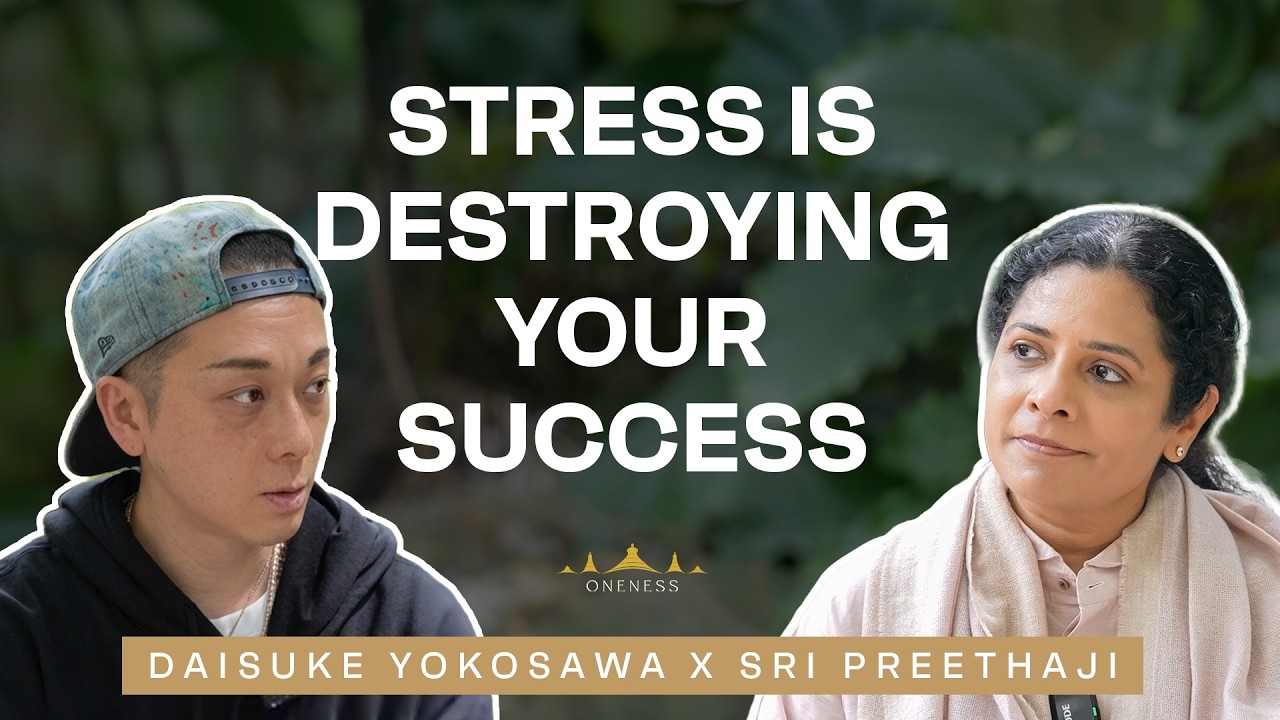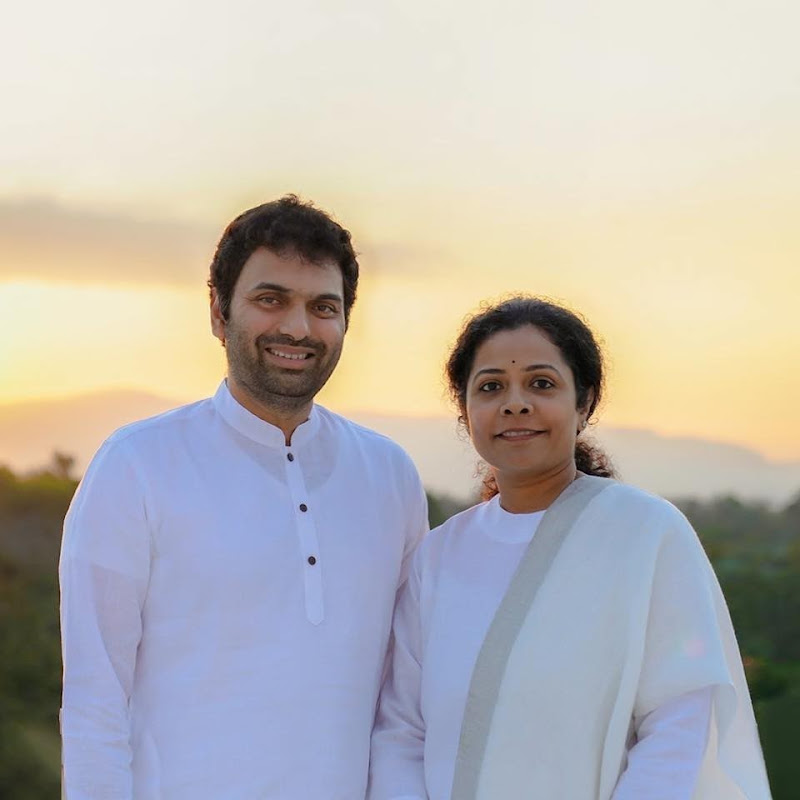
The Oneness Abundance Festival video addresses the intersection of generational trauma, personal healing, and spiritual awakening. Central to the teaching is the recognition that inherited patterns of suffering can be consciously disrupted through inner transformation, and that discovering the Divine's presence within the chaos of life provides both strength and direction. The presentation suggests that healing is not merely individual psychological work but a spiritual practice that honors ancestral pain while creating new possibilities for future generations.
What Is Generational Pain and Why Does It Persist?
Generational pain refers to patterns of suffering, trauma, and limiting beliefs passed down through family lineages. These patterns are not merely psychological—they embed themselves in behavior, decision-making, emotional regulation, and even spiritual understanding. When a parent experiences unresolved trauma, they often unconsciously transmit their coping mechanisms, fears, and worldviews to their children. The cycle continues because each generation inherits not just the trauma itself, but the underlying belief systems that keep it in place: "This is how life is," "Suffering is inevitable," or "I am not worthy of peace."
The Oneness Movement's approach recognizes that these patterns, though real and deeply rooted, are not immutable. The very fact that pain has been passed down means it is learned and transmitted through consciousness—and what consciousness has created, consciousness can transform. This is the foundation of the healing journey referenced in the festival presentation.
How Does Breaking a Cycle Begin?
Breaking generational cycles begins with awareness—the willingness to see the pattern for what it is, without judgment or shame. According to the Oneness framework, this awareness is itself a spiritual act. When a person becomes conscious that they are repeating a pattern inherited from their ancestors, they create a rupture in the automatic transmission of that pattern. They become, in effect, the first conscious choice point in the lineage.
The festival talk emphasizes that this breaking is not a rejection of one's ancestors or family. Rather, it is an honoring of their struggle while refusing to let that struggle define the next generation. The strength required to break a cycle is profound because it means standing alone, in some sense, against the gravitational pull of inherited behavior and belief. It means choosing a different path even when every cell of the body may feel more familiar with the old pain.
The presentation suggests that this courage does not arise from individual willpower alone. Instead, the discovery of the Divine's guiding light becomes essential. When a person recognizes that there is a force, an intelligence, or a presence greater than their personal struggle—something that is actively supporting their transformation—the burden of breaking the cycle shifts from "I must do this alone" to "I am being guided through this."
What Does It Mean to Find Peace Amidst Chaos?
Finding peace in the midst of chaos is not about external circumstances becoming calm or perfect. Rather, it is about developing an inner stability that is independent of external conditions. The Oneness teachings suggest that chaos itself is often a byproduct of unprocessed generational pain—the disorder, reactivity, and confusion that arise when inherited trauma is still active within the psyche.
As generational patterns begin to heal, the external chaos may continue for a time, but the internal relationship to that chaos transforms. Where there was once reactive fear and compulsion, there begins to be witnessing and choice. The mind becomes less identified with the turbulence and more anchored in a deeper peace that is not dependent on things going well.
The festival presentation points to this as a direct experience, not an intellectual concept. Peace amidst chaos is felt in the body, in the steadiness of breath, in the ability to respond rather than react. It emerges as one genuinely feels that they are not alone in their struggle—that the Divine's presence is real and actively working in and through their life.
How Does the Divine's Guidance Manifest in Healing?
In the Oneness framework, the Divine is not a distant judge or creator but an immediate, intimate presence guiding every step of existence. The festival talk suggests that discovering this guidance is the turning point in healing. When a person begins to notice synchronicities, unexpected support, intuitive knowing, and moments of grace appearing in their life, they recognize that they are not navigating their healing journey in isolation.
The Divine's guidance often comes through the unexpected—a chance meeting, a book that arrives at the right moment, a dream, an inner knowing, a relationship that mirrors exactly what needs to be seen. These are not coincidences but the intelligences of the universe supporting the healing process. The role of the seeker is to develop sensitivity to these promptings, to notice them, and to follow them even when they seem illogical.
The strength that emerges from recognizing this guidance is transformative. Instead of healing being a burden the individual must carry, it becomes a dance between personal effort and Divine support. The individual makes the choice to heal, takes the steps within their capacity, but simultaneously opens to receive the support that is constantly being offered.
What Does Embracing a New Beginning Mean?
Embracing a new beginning is the culmination of the healing journey described in the presentation. It means allowing oneself to imagine and create a life not defined by inherited patterns. A new beginning is not a sudden, magical transformation but a gradual unfolding where old limitations loosen their grip and new possibilities emerge.
This embrace is characterized by gratitude—a recognition that the ancestors' pain, though difficult, has served its purpose and that one is now free to choose differently. The new beginning is not a rejection of the past but an integration of it. The pain becomes wisdom. The struggle becomes strength. The inherited burden becomes the foundation upon which something new is built.
The festival presentation emphasizes that this is ongoing. Embracing a new beginning is not a one-time event but a continuous choice to align with the Divine's guidance, to notice when old patterns arise, and to choose again. It is living in the embodied knowledge that healing is possible, that cycles can be broken, and that one's life can become a testament to the freedom that is available to all beings.
Where to Go from Here
The journey of healing generational pain is both universal and deeply personal. Begin by asking yourself: What patterns do I recognize in myself that may have been inherited? Can I observe them with compassion rather than judgment? Notice moments when you feel guided or supported, however subtle. These are invitations to deepen your connection to the Divine presence that the Oneness teachings point to. Consider journaling about your ancestors—not to blame them, but to honor their struggle and consciously choose a different path. Engage with a community or teacher who understands the intersection of generational healing and spiritual awakening. Most importantly, take one small step toward breaking a pattern, and watch how the universe conspires to support that choice.