SportsCampFinder

Browse All Camps

Find the perfect camp for your athlete

camps

Basketball Camps
Soccer Camps
Baseball Camps
Football Camps
Volleyball Camps
Lacrosse Camps
Multi-Sport Camps
Elite Training
Overnight Camps
Day Camps
Popular Destinations
BaliSedonaLos AngelesCosta RicaNew YorkSan FranciscoAustinMiamiJoshua TreeTulum
View All CategoriesView All Destinations

Explore All Features

Powerful tools to grow your events

Platform Features

Smart Dynamic Pricing
Ticket Categories
Assigned Seating
Abandoned Cart Recovery
Visitor Recovery
Donations & Sliding Scale
Affiliate Engine
Ticket Scanner
Coupon Codes
Custom Questions
Ticket Sharing
Upsells & Add-ons
Analytics & Reporting
Email Sequences
Waitlist / Notify / Remind
People & Places
Camp OrganizersCamp FacilitiesKnowledge BaseInspiration
View All FeaturesAbout Us
PricingBlog
Language
Saved events
Browse All Events

camps

Basketball CampsSoccer CampsBaseball CampsFootball CampsVolleyball CampsLacrosse CampsMulti-Sport CampsElite Training

Popular Destinations

BaliSedonaLos AngelesCosta RicaNew YorkSan Francisco

People & Places

Camp OrganizersCamp FacilitiesKnowledge BaseInspiration

Platform Features

Smart Dynamic PricingTicket CategoriesAssigned SeatingAbandoned Cart RecoveryVisitor RecoveryDonations & Sliding ScaleAffiliate EngineTicket ScannerCoupon CodesCustom QuestionsTicket SharingUpsells & Add-onsAnalytics & ReportingEmail SequencesWaitlist / Notify / Remind
View All FeaturesAbout Us
PricingBlog
Log inParents & athletesCamp directors
  • Browse all camps
  • Basketball Camps
  • Soccer Camps
  • Baseball Camps
  • Football Camps
  • Volleyball Camps
  • Lacrosse Camps
  • Multi-Sport Camps
  • Elite Training
  • All sports →
  • Orlando
  • Los Angeles
  • New York Metro
  • Dallas / Fort Worth
  • Chicago
  • Phoenix / Scottsdale
  • Atlanta
  • Denver
  • Seattle
  • Boston
  • Houston
  • Philadelphia
  • San Diego
  • Minneapolis / St. Paul
  • All Cities →
  • List your camp
  • Camp director dashboard
  • Pricing
  • Coaches & academies
  • Online registration & payments
  • Waivers & medical forms
  • Check-in app
  • Family messaging
  • Waitlist & notify
  • Camp marketing
  • Reports
  • All features →
  • About SportsCampFinder
  • Camp guides
  • Help Center
  • Contact
  • Careers
  • Press
  • Terms of Service
  • Privacy Policy

Camps

  • Browse all camps
  • Basketball Camps
  • Soccer Camps
  • Baseball Camps
  • Football Camps
  • Volleyball Camps
  • Lacrosse Camps
  • Multi-Sport Camps
  • Elite Training
  • All sports →

Destinations

  • Orlando
  • Los Angeles
  • New York Metro
  • Dallas / Fort Worth
  • Chicago
  • Phoenix / Scottsdale
  • Atlanta
  • Denver
  • Seattle
  • Boston
  • Houston
  • Philadelphia
  • San Diego
  • Minneapolis / St. Paul
  • All Cities →

For Camp directors

  • List your camp
  • Camp director dashboard
  • Pricing
  • Coaches & academies

Features

  • Online registration & payments
  • Waivers & medical forms
  • Check-in app
  • Family messaging
  • Waitlist & notify
  • Camp marketing
  • Reports
  • All features →

Company

  • About SportsCampFinder
  • Camp guides
  • Help Center
  • Contact
  • Careers
  • Press
  • Terms of Service
  • Privacy Policy
SportsCampFinder
© 2026 SportsCampFinder. All rights reserved.
Inspiration

Hari Hari Narayana Kirtan:Devotional Chant Guide

Sati Ethnica
Sati Ethnica
Feb 25, 2020
7 min read

Hari Hari Narayana is a devotional kirtan performed by Sati Ethnica as part of Bhakti Marga's Kirtan Sessions series. The chant invokes divine manifestations of Krishna—including Govinda, Gopala, Giridhari (Krishna lifting Govardhana mountain), Vitthala, Narasimha, and the guru Sri Vishwananda—using call-and-response vocal patterns rooted in bhakti (devotional surrender). The kirtan embodies the philosophy that love is the singular experience, motivation, and reality within the relationship between devotee and the Divine.

Read · 8 sections

What Is Kirtan and How Does It Work?

Kirtan is devotion expressed through music—a participatory, call-and-response form of chanting used in Hindu and yogic traditions to invoke the presence of the Divine. Unlike passive listening, kirtan invites the audience or congregation to repeat sacred names and phrases, creating a collective field of devotional energy. The practice draws from bhakti yoga, where love and surrender form the core methodology of spiritual realization.

In the Hari Hari Narayana kirtan, Sati Ethnica leads the chant, establishing melodic and rhythmic patterns that listeners can follow and join. The repetition of divine names—particularly "Hari" (a name for Vishnu and Krishna emphasizing their power to remove suffering) and "Narayana" (the all-pervading divine consciousness)—anchors the practice in mantra, the belief that sacred sound carries transformative spiritual vibration.

Which Divine Forms Are Invoked in This Chant?

The Hari Hari Narayana kirtan cycles through multiple manifestations and names of Krishna, each carrying specific spiritual significance:

  • Govinda and Gopala: Both names emphasize Krishna as the cowherd—Govinda as the one who tends cows and Gopala as the protector of cows. These forms represent Krishna's intimate relationship with nature and devotees, often depicted as youthful and playful in Hindu iconography.
  • Giridhari and Govardhana Narayana: These names commemorate the legendary episode where Krishna lifted Govardhana Mountain to protect the cowherds and their cattle from torrential rains. Giridhari means "mountain holder," symbolizing Krishna's divine power and his role as protector of the vulnerable.
  • Vitthala (also Vithoba) and Rukhmini: Vitthala is a manifestation of Krishna worshipped particularly in Maharashtra, often depicted standing on a brick with hands on hips. Rukhmini, Krishna's divine consort, represents divine feminine energy and devotion. Together, they embody the cosmic lover and beloved.
  • Narasimha: The half-man, half-lion avatar of Vishnu, Narasimha appears in Hindu scripture as the fierce protector who destroys demonic forces. His inclusion acknowledges both the wrathful and compassionate dimensions of the Divine.
  • Sri Vishwananda and Satguru Deva: The final invocation honors Paramahamsa Sri Swami Vishwananda, the guru and founder of Bhakti Marga. In bhakti traditions, the living guru is understood as a direct manifestation of divine consciousness, serving as a bridge between the aspirant and the infinite.

How Does Repetition Deepen Devotional Practice?

The structure of the Hari Hari Narayana kirtan—repeating "Hari Hari Hari Hari Narayana" followed by variations invoking different divine forms—creates hypnotic, cumulative states of consciousness. Repetition in kirtan serves multiple functions: it anchors attention in the present moment, bypasses conceptual mind, and allows emotional devotion to surface and intensify.

By singing the same names over extended periods, practitioners report shifts in consciousness—a softening of ego boundaries, spontaneous feelings of love and surrender, and glimpses of the non-dual reality that kirtan philosophy describes. The rhythm, melody, and communal participation all reinforce this effect. Neuroscientific research on chanting has documented changes in brain activity associated with repetitive vocalization and rhythm, though yogic traditions have understood these effects for millennia.

What Is the Philosophical Foundation of Kirtan Practice?

According to the Bhakti Marga philosophy presented in the Kirtan Sessions series description, kirtan rests on a single premise: "In the relationship between the Lover and Beloved, there exists only one experience, only one motivation, and only one reality – Just Love." This non-dualistic understanding shifts the paradigm from seeing the Divine as distant or transcendent to recognizing it as the intimate ground of all relationships and consciousness.

The devotee (lover) and the Divine (beloved) are not ultimately separate. Love, rather than knowledge, ritual, or moral discipline alone, becomes the direct method and the goal. This framework transforms kirtan from mere entertainment or cultural performance into a technology for direct realization of one's fundamental unity with the infinite. Each name invoked—whether Govinda, Narasimha, or the guru—points to this singular reality manifesting in countless forms.

Why Include Multiple Divine Forms in a Single Kirtan?

The Hari Hari Narayana kirtan doesn't isolate Krishna in one symbolic form. Instead, it cycles through Govinda, Gopala, Giridhari, Vitthala, Narasimha, and the guru, acknowledging that the Divine reveals itself in myriad ways—playful and fierce, accessible and transcendent, ancient and living. This approach prevents the mind from crystallizing into fixed concepts. Each invocation refreshes perception and invites the heart to recognize the Divine in yet another facet of existence.

Additionally, the inclusion of Sri Vishwananda alongside Krishna and Narasimha reflects the bhakti conviction that the guru is not separate from the Divine—the guru embodies and transmits divine grace in human form, making the infinite tangible and present.

How Can Listeners Engage With This Kirtan?

Kirtan is fundamentally participatory. Listeners are invited to sing along, either aloud or internally, following the melody and rhythm established by Sati Ethnica. There is no requirement for prior musical training or knowledge of Sanskrit; the simplicity of the repeating phrases allows newcomers to join immediately while offering depth for experienced practitioners.

Practicing kirtan can be integrated into daily spiritual routine—some sing it while commuting, others reserve specific times for extended kirtan sessions. The call-and-response structure means that even a solitary listener can mentally engage with the kirtan, though the collective energy of a group or recorded performance amplifies the effect. Many practitioners report that regular kirtan softens emotional rigidity, increases heart opening, and supports consistent access to states of peace and devotional immersion.

Where Does This Kirtan Fit Within Bhakti Marga's Broader Lineage?

Bhakti Marga is an international organization and movement founded by Paramahamsa Sri Swami Vishwananda, rooted in the Hindu bhakti tradition but adapted for contemporary global practitioners. The Kirtan Sessions series—of which the Hari Hari Narayana performance is part—showcases trained musicians from the Bhakti Marga community performing devotional chants (kirtans and bhajans) that reflect the lineage's emphasis on love and surrender as the path to divine realization.

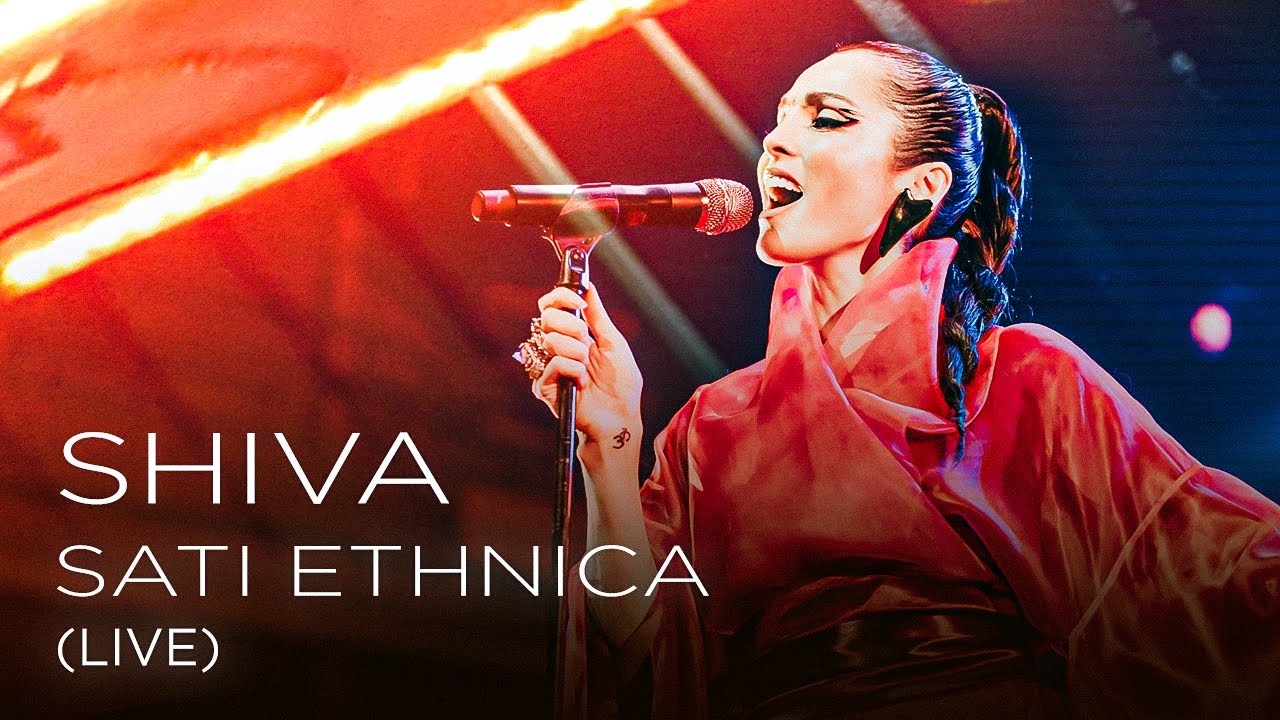
Sati Ethnica, the performer of this particular kirtan, is a musician and teacher within that wider community, bringing her own musical skill and devotional depth to the traditional forms. The fact that this session has garnered over 2.5 million views since its 2020 release speaks to the hunger in global audiences for authentic, skillfully performed devotional music that carries genuine spiritual intention.

Where to Go From Here

To deepen your engagement with Hari Hari Narayana kirtan and related practices, explore the full Kirtan Sessions playlist on Bhakti Marga Music's YouTube channel. You can find additional recordings and teachings through Bhakti Marga's website at bhaktimarga.org, which offers guided meditations, philosophy texts, and information about in-person intensives and retreats. Sati Ethnica maintains her own digital presence—follow her on Instagram, YouTube, and Spotify to access additional kirtan recordings and performances. If kirtan resonates with your practice, consider seeking out local sangha (spiritual community) where live kirtan is performed, as the collective energy of a group amplifies the subtle effects. Finally, read traditional bhakti texts like the Bhagavad Gita (particularly chapters on bhakti yoga) or the Bhagavata Purana to contextual deepen your understanding of the divine forms invoked in this and other kirtans.
Comments

Loading the conversation…

Sati Ethnica
ArtistSati Ethnica

Sati Ethnica is a hypnotherapist and electronic music producer who fuses ancient musical traditions with contemporary production techniques. Her ethno-electro compositions layer fi…

View profileWebsite
Explore Topics
KirtanKrishnaBhakti-yogaDevotional-chantingNarayana

Got Questions?

Frequently Asked Questions

Kirtan is a call-and-response chanting practice where a leader initiates sacred names or phrases and the congregation repeats, creating a participatory devotional experience. Bhajan is typically a structured hymn or song with a complete narrative or poetic text, often sung by a solo vocalist or small ensemble. Both are devotional practices, but kirtan emphasizes repetition and communal participation, while bhajan emphasizes melody and poetic expression.
Narayana refers to the all-pervading divine consciousness or the supreme cosmic principle in Hindu philosophy. It is often used as a name for Vishnu and is associated with transcendence, divine protection, and the infinite sustaining power of the universe. In kirtan, invoking Narayana invites alignment with this transcendent dimension of divinity.
Repetition of divine names in kirtan serves to anchor attention in the present moment, bypass the conceptual thinking mind, and access deeper states of consciousness and emotional devotion. The rhythmic, sonic quality of mantra is believed to carry transformative spiritual vibration, and sustained repetition reportedly opens the heart and facilitates experiences of unity with the Divine.
Kirtan can be practiced both alone and in groups. Solo practice involves repeating divine names internally or aloud, often while listening to recorded kirtans or chanting with a mala (prayer beads). Group kirtan amplifies the collective energy and is considered especially powerful, but the core benefit—devotional alignment and heart opening—is accessible to individual practitioners as well.
In bhakti traditions, the living guru is understood as a direct manifestation of divine consciousness and a transmitter of grace. By invoking Sri Vishwananda (the founder of Bhakti Marga) alongside Krishna and other divine forms, the kirtan affirms that the guru embodies the same divine reality and serves as a bridge between the aspirant and the infinite.
Govardhana Mountain is the site of a legendary episode where Krishna lifted the entire mountain to protect the cowherds and their cattle from torrential rains sent by the jealous god Indra. This act symbolizes Krishna's divine power, his role as protector of the vulnerable, and his playful relationship with his devotees. Names like Giridhari and Govardhana Narayana commemorate this event.
Vitthala (or Vithoba) is a regional form of Krishna particularly venerated in Maharashtra and the Deccan. While not identical iconographically—Vitthala is typically depicted standing on a brick with hands on hips—Vitthala is understood as another manifestation of the same divine consciousness that Krishna represents. Both are focal points for bhakti practice and lover-beloved relationship with the Divine.
Bhakti yoga is the yoga of devotion—a spiritual path in which love, surrender, and emotional relationship with the Divine form the core methodology of realization. Kirtan is a primary practice within bhakti yoga, using sacred sound and repetition to invoke and deepen devotional states. Unlike jnana yoga (knowledge) or karma yoga (action), bhakti yoga emphasizes the heart's direct connection to the infinite.

Continue Reading

More from Sati

View All
Shiva Mantra in Modern Arrangement: Sacred Chant Performance
Inspire

Shiva Mantra in Modern Arrangement: Sacred Chant Performance

Sati Ethnica performs "Shiva," a live meditative rendering of classical Sanskrit mantras honoring the Hindu deity Shiva, blending ancient ch…

1 min read
Minimal Vocalization as Spiritual Practice: Power in Simplicity
Inspire

Minimal Vocalization as Spiritual Practice: Power in Simplicity

A brief live vocal interlude demonstrates how devotional sound—stripped to its essence—can invoke presence and transformation through pure r…

1 min read
Govinda Jaya: How Sacred Sound Awakens the Heart
Inspire

Govinda Jaya: How Sacred Sound Awakens the Heart

Radhika Das channels the liberating power of mantra through a luminous kirtan performance at Medicine Festival, invoking divine names to pur…

1 min read
Deva Premal & Miten Return to Melbourne After Years Away
Inspire

Deva Premal & Miten Return to Melbourne After Years Away

Deva Premal and Miten announce their return to Melbourne's Palais Theatre on October 26, celebrating 35 years of mantra and music with longt…

1 min read

Keep exploring

Continue your journey

More wisdom and gatherings from across the BrightStar directory.

More Articles

Browse the full library of teachings, interviews, and guides.

Back to all articles →

Teachers & Artists

Explore the lineages, musicians, and guides of the conscious world.

Explore artists →

Find an Event

Kirtan, retreats, sound baths, breathwork, festivals — happening soon.

Browse events →