It's 2 a.m. Your mind won't quiet. Your body won't settle. You've tried everything—breathing exercises, counting, the meditation app collecting dust on your phone. Nothing lands. So you scroll through your options, and you find a voice: measured, warm, speaking directly into your wakefulness. "Let's take you to a place of deep rest," it begins, and something in your nervous system responds.
This is the world of guided sleep meditation, a category that has quietly become one of wellness's most effective remedies. What makes it work—and why the format matters—runs deeper than convenience.
A sleep meditation doesn't simply ask you to close your eyes and drift off. Instead, it operates through what practitioners call a "talk-down"—a guided descent from wakefulness, using language patterns and vocal rhythm specifically designed to quiet the mind and activate the nervous system's rest modes.
This isn't mysticism; it's grounded in clinical hypnotherapy. The talk-down approach uses repetition, pacing, and sensory imagery to engage the conscious mind just enough to distract it from anxiety, while simultaneously signaling safety to the deeper nervous system. When you're caught in insomnia's loop—where the anxiety about not sleeping becomes its own obstacle—this redirect can be transformative.
The voice itself matters. Soothing tone, unhurried pacing, and carefully chosen words gradually lower cortisol and activate the parasympathetic nervous system—the body's rest-and-digest mode. The effect is neither sedation nor coercion; it's an invitation to a different state.
One of the distinctive choices in contemporary sleep meditation design is the extended duration: a 2-hour experience, with soft music continuing long after the narration ends and then gently fading out. This seems counterintuitive—why not a tidy 20-minute session?—but the reasoning is physiological and psychological.
Sleep onset isn't instantaneous. The journey from wakefulness through the light stages and into deeper sleep takes time. A meditation that ends at 15 minutes might conclude just as the listener becomes most receptive. The 2-hour arc honors the actual rhythm of sleep onset and the early stages of rest.
The music that continues after the voice stops serves as a sonic anchor. As you drift deeper, the ambient layer prevents the jarring silence that can trigger micro-awakenings. The eventual fade-out doesn't jolt you; it mirrors the natural diminishment of awareness in sleep itself.
Perhaps most subtly, the extended format removes a common mental obstacle: the pressure to "make it work" within a deadline. If a meditation is meant to conclude in 15 minutes, staying awake past that point feels like failure. A 2-hour experience permits failure—or more accurately, it invites surrender. The mind eventually stops checking the clock and simply descends.
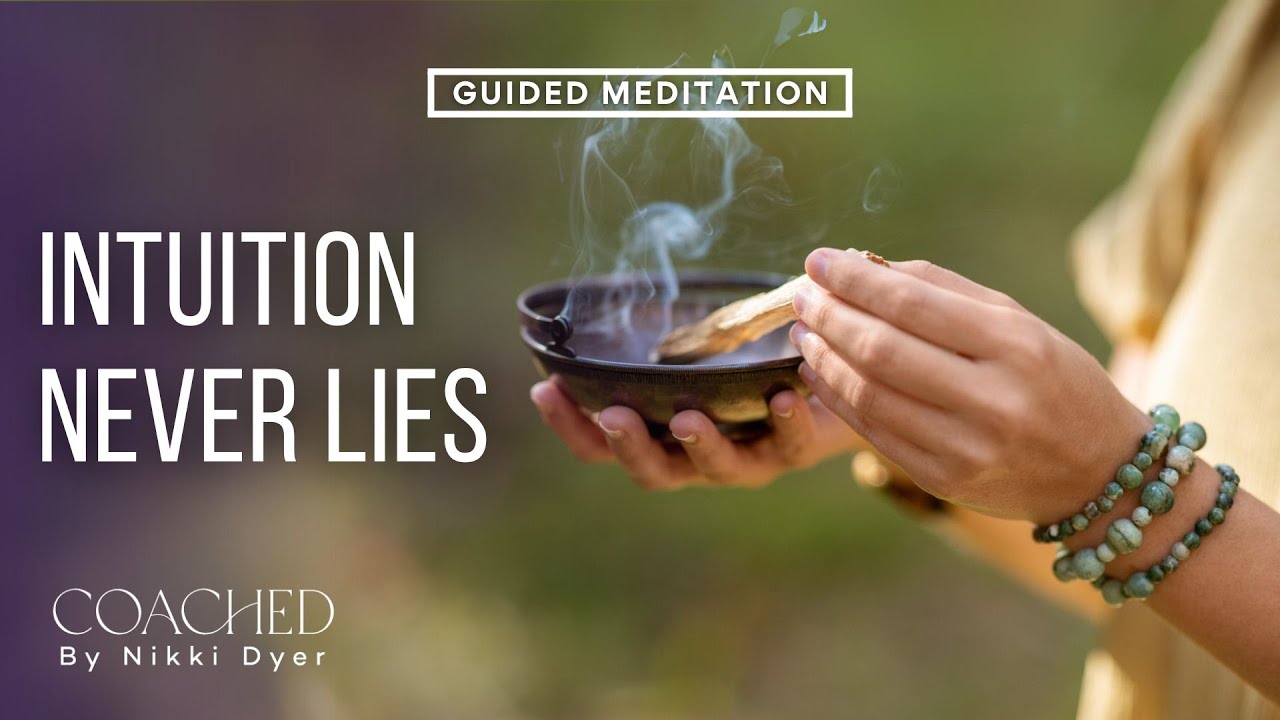
The meditation exists within a larger context. Nikki Dyer, who creates these experiences through her channel Coached by Nikki Dyer, frames guided rest as part of a mission to help listeners "break generational patterns and live life on purpose." This language signals that for Dyer, sleep isn't merely a hygiene metric but something far more profound: a place where inherited tension, nervous-system dysregulation, and resistance to rest live in the body.
This recontextualizes the meditation itself. It's not a life-hack to optimize sleep; it's an invitation to a different relationship with rest as an act of nervous-system healing. The meditations are freely offered on her YouTube channel—this particular video has accumulated nearly 400,000 views since its January 2023 release—with personalized sessions and one-on-one coaching available for those seeking deeper work.
The existence of a community around this approach—described as "like-minded women who share our desire to break generational patterns"—suggests that for many listeners, guided sleep is a doorway into broader inner work. Sleep becomes the entry point to understanding your nervous system, your learned patterns, and what true rest might feel like.
What's striking about the rise of guided sleep meditation is its availability. Unlike sleep coaching—which requires appointments and significant expense—or prescription sleep aids, which carry their own risks, a guided meditation is free, on-demand, available at any hour. No barriers. No shame.
For someone in crisis at 3 a.m.—caught between racing thoughts and exhaustion, between the feeling that sleep has become impossible and the desperate need for rest—having a voice and a pathway immediately available can mean the difference between another wasted night and a reset. The technology of meditation, combined with its framing as a tool for healing rather than a quick fix, invites consent and collaboration that other interventions cannot.
This democratization of sleep support matters. A person in the grip of chronic insomnia often feels isolated and exhausted. The existence of a resource designed specifically for this moment—free, judgment-free, and available whenever needed—can be the turning point between despair and the possibility of rest.
If you're exploring guided sleep meditation for the first time, understand that it's a skill that deepens with practice. The first night may bring curiosity or mild restlessness; the response isn't to abandon it but to trust the process. Like any guided experience, sleep meditation works best when you release the grip of trying and instead lean into the guidance offered.
For those interested in deeper work—personalized meditations tailored to your unique patterns, hypnotherapy sessions addressing root causes, or ongoing coaching—many practitioners, including Dyer, offer one-on-one sessions. These can be gateways into understanding your specific relationship with rest, stress, and nervous-system activation. The community Dyer has built around this work offers both practical tools and the reassurance that you're not alone in struggling with sleep.
Finally, remember that guided sleep meditation is a complement to medical care, not a replacement. If you're dealing with diagnosed sleep disorders or underlying health conditions, work alongside professional support rather than treating meditation as a substitute.
The next time you find yourself awake at an odd hour, unable to return to rest, remember: you're not broken. Your nervous system is asking for what it's always needed—a space, a voice, a rhythm to remember how to rest.