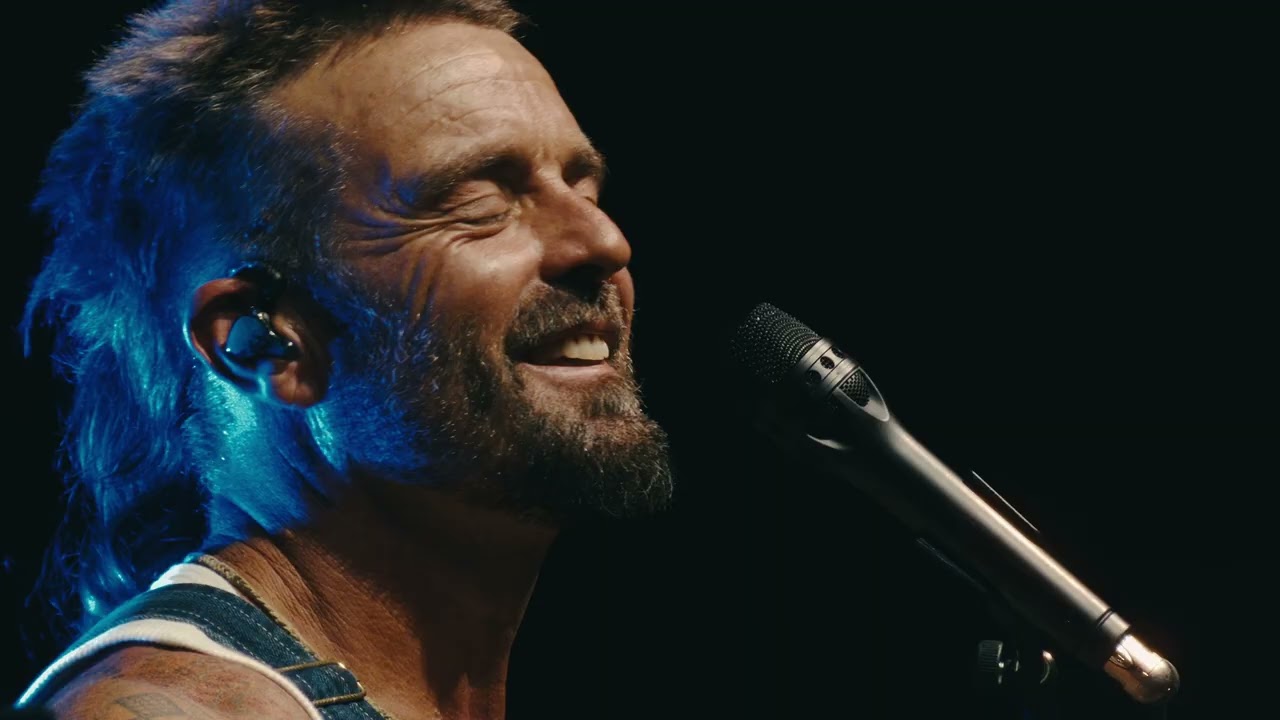
Xavier Rudd's "Follow The Sun" is a music video and song that weaves together themes of natural connection, landscape reverence, and spiritual alignment with the rhythms of the earth. Shot on Stradbroke Island in Queensland, Australia, the work honors Indigenous country and culture while exploring how following the movement of the sun—both literally and metaphorically—connects us to deeper patterns of existence and community.
Xavier Rudd's "Follow The Sun" functions as both a musical composition and a visual journey that centers on the relationship between human consciousness and natural cycles. The song arrives as the first new release following Rudd's 2010 album "Koonyum Sun," signaling a continuation of his artistic exploration of place, spirituality, and ecological awareness.
The title itself carries multiple layers of meaning. On one level, it refers to the literal movement of the sun across the sky—a daily cycle that governs light, warmth, and the rhythm of all life. On another level, it suggests a philosophy of alignment: following the sun implies moving with natural forces rather than against them, trusting in cycles and rhythms that are far older and larger than individual human concerns. This concept aligns with many Indigenous Australian philosophies that view the landscape and celestial bodies as teachers and guides.
The music video was filmed on location at Stradbroke Island (Minjerribah), Queensland, Australia—a choice that carries significant cultural and spiritual weight. Stradbroke Island is part of the traditional country of the Yulu Burri Ba people, and the production team made deliberate efforts to honor this connection through respectful collaboration and acknowledgment.
The island itself becomes a character in the visual narrative, with its landscapes, waters, and wildlife serving as visual expressions of the song's themes. The inclusion of birds and dolphins—captured both during filming and sourced from additional imagery—reinforces the presence of non-human life and natural systems as integral to the story being told. By choosing a specific, culturally significant location rather than a generic landscape, Rudd centers the video within a particular relationship to land and community.
The production credits include explicit gratitude to the Yulu Burri Ba Dancers and the broader community of Minjerribah, North Stradbroke Island. This acknowledgment signals that the work is not extractive—the filmmakers did not simply use the island as a backdrop, but engaged with and honored the Indigenous culture present there. The involvement of Yulu Burri Ba Dancers suggests that movement, ceremony, and cultural expression are woven into the visual narrative.
For many Indigenous Australian cultures, the land is not merely a resource or aesthetic backdrop but a living entity with its own agency and wisdom. Following the sun, in this context, connects to songline traditions and Dreaming stories that track the movements of celestial and terrestrial beings across country. By filming on Stradbroke Island and involving Indigenous dancers, Rudd's work acknowledges that to "follow the sun" is to participate in knowledge systems and relationships that have existed for tens of thousands of years.
Xavier Rudd's artistic practice has long been characterized by the integration of music with environmental and spiritual themes. The pairing of "Follow The Sun" with its specific visual setting demonstrates how landscape can amplify and embody musical meaning. The natural features of Stradbroke Island—its beaches, waters, vegetation, and wildlife—create a visual score that runs parallel to the sonic score of the song itself.
This approach reflects a broader artistic philosophy in which place and sound are inseparable. The landscape does not illustrate the music; rather, both are expressions of the same underlying truth about connection, rhythm, and belonging. The presence of birds and dolphins in the video reinforces this, as non-human animals are depicted as participants in the same ecological and spiritual web that the song explores.
"Follow The Sun" marks Rudd's return to recording and releasing new material after his 2010 album "Koonyum Sun." The twelve-year gap between albums (with the video released in 2012) reflects a period of artistic incubation and, potentially, deepening of the themes he explores. The album it introduces, "Jan Juc Moon," was set for release in March 2022, continuing Rudd's naming of projects after specific Australian locations and celestial references—Jan Juc is a coastal area in Victoria, and the moon complements the sun as a symbol of complementary natural cycles.
This naming pattern suggests a deliberate artistic vision rooted in place-based spirituality and the observation of natural phenomena. Rather than adopting generic or abstract album titles, Rudd grounds his work in specific Australian geographies and astronomical references, reinforcing the connection between his music and the land it emerges from.
The production credits reveal a collaborative approach to filmmaking in which multiple skilled practitioners—director and editor Nikki Michail, cinematographers Anthony Broese and Nikki Michail, color grader Joe Lancaster, and additional contributors—worked together to translate the song into visual form. The reference to Nikki Michail's website "sustainabledreaming.org" signals that environmental and ethical values were central to how the production was approached.
The choice to credit all contributors, acknowledge the source country, and involve Indigenous performers demonstrates a production ethic that extends beyond commercial filmmaking into a practice of respect and reciprocity. For viewers encountering the work, these details signal that the finished video is not simply entertainment but the result of thoughtful collaboration and cultural consideration.
Those drawn to "Follow The Sun" might explore Xavier Rudd's broader discography, particularly "Koonyum Sun" and the album "Jan Juc Moon" for deeper engagement with his artistic vision. Listeners interested in the intersection of music and place-based spirituality might also investigate other artists working at the nexus of Indigenous collaboration, environmental awareness, and sonic practice. The video itself serves as an invitation to consider how the rhythms of natural cycles—sun, moon, tides, seasons—might inform daily consciousness and creative practice. For those interested in ethical filmmaking and Indigenous collaboration, the production credits offer a model for how creative projects can honor the communities and geographies they inhabit.