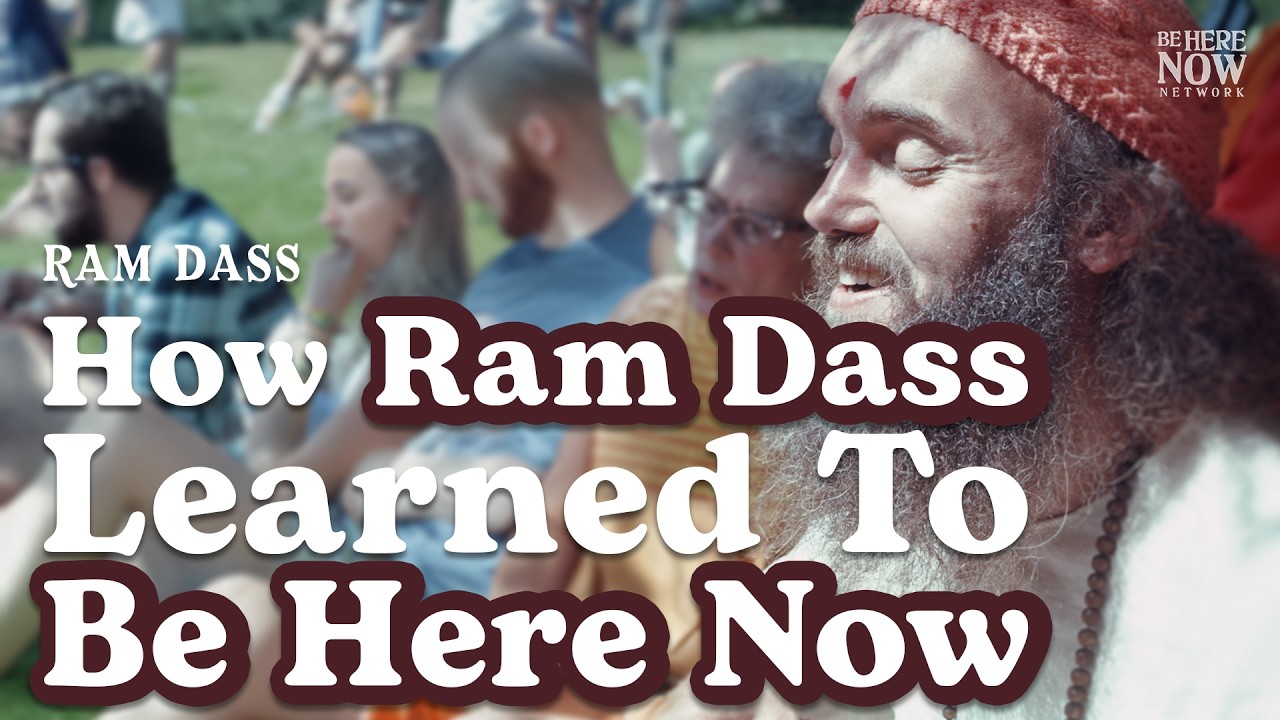
In this teaching, a contemplative teacher explores what dharma means—not as a fixed destiny handed down, but as a lived expression of wisdom emerging from the heart. The core insight is that finding your dharma requires humility, surrender, and a willingness to trust what is unknown. Rather than seeking a perfect answer or grand purpose, dharma unfolds through committed presence, integrity in action, and alignment with what is true and wholesome in each moment. This teaching challenges the Western tendency to intellectualize purpose and instead invites practitioners into a somatic, heart-centered discovery of how to live.
What Does Dharma Actually Mean?
Dharma is often misunderstood in Western culture as a singular, predetermined calling—something you must "find" like a treasure map leads to X. In Buddhist and yogic traditions, dharma carries a broader meaning: it refers to the underlying order of reality, the law of how things work, and also one's role or duty in alignment with that order. For the individual practitioner, dharma is not a career title or achievement. Instead, it is the authentic expression of your being when you act with wisdom, compassion, and integrity. It is how you show up in the world when your heart is awake and your actions flow from clarity rather than reactivity.
The teaching emphasizes that wisdom itself is not stored in the intellect alone. Wisdom is a state of being in the heart. This reframes the entire question of "finding your dharma" from a problem-solving task (what should I do?) to a relational inquiry (who am I when I am most awake and aligned?). The distinction matters because it shifts the locus of understanding from the thinking mind to the felt sense of presence and values that guide a life.
Why Does Dharma Require Humility and Surrender?
One of the most striking aspects of this teaching is the insistence on humility as the gateway to dharma. Humility here does not mean self-deprecation or weakness. Rather, it means releasing the ego's demand to control the outcome, to know in advance what your purpose "should be," and to trust that you are not the sole architect of your life. This stance is radical in a culture that prizes certainty, planning, and the mastery of one's destiny.
Surrender, in this context, is an act of commitment and trust. It is not passivity. Instead, it is a choice to align your effort and attention with what is true and needed, even when you cannot see the full picture. A musician might surrender to the music, allowing her hands to know what the score requires. A healer surrenders to the patient before him, letting their need shape the moment. A parent surrenders to the child's growth, supporting what is emerging rather than imposing a preset plan. In each case, surrender is active—it involves presence, skill, and responsiveness—but it is not driven by the small self's agenda.
How Does Trust in the Unknown Shape Dharma?
The teaching points to a going into the unknown as essential to living dharma. This is not recklessness or blind faith in the religious sense. Rather, it is an acknowledgment that life unfolds in ways that cannot be fully predicted or controlled. Each moment presents a fresh context, and wisdom requires the ability to perceive what is actually happening—not what you hoped would happen or what your plan says should happen.
When you try to force your life into a predetermined box of what dharma should look like, you become rigid. You miss the subtle invitations, the unexpected openings, the calls to serve or grow that appear at the margins of your comfort. A dharmic life, then, requires a trusting heart—one that can say "I don't know what comes next, and I am willing to meet it with full presence." This vulnerability is not weakness but the highest form of strength: the capacity to respond authentically to what is.
What Is the Role of the Heart in Discovering Dharma?
The heart, as used in contemplative traditions, is not merely the seat of emotion. It is the integration point where clarity, compassion, and discernment meet. When the teaching says wisdom is a state of being in the heart, it suggests that genuine understanding is felt before it is thought. You do not arrive at your dharma through a logic puzzle. You arrive at it by attuning to the values, gifts, and yearnings that live in your heart when your mind is quiet enough to hear them.
This attunement takes practice. It is cultivated through meditation, through honest self-inquiry, through conversation with mentors or teachers who reflect back what they see in you. It is deepened by noticing where you feel most alive, most resourced, most in service. Over time, patterns emerge. A person may discover that they come alive when teaching, or healing, or creating, or protecting, or building, or witnessing others. These discoveries are not intellectual conclusions but recognitions—moments when something clicks into place and feels true.
How Can You Practice Living Your Dharma?
The teaching does not offer a step-by-step formula, which itself is instructive. Instead, it invites practitioners into an ongoing process of alignment and presence. Several threads emerge from the core principles:
- Cultivate humility through meditation and reflection: Regular practice quiets the ego's noise and opens space for deeper knowing. When you sit in stillness, you encounter what is true beneath the surface wants and fears.
- Notice where you feel called: Dharma often reveals itself through attraction, joy, and a sense of rightness. What activities, relationships, or causes make you feel most yourself? Where do you lose track of time? Where do you feel your gifts are needed?
- Act with integrity in small moments: You do not need to wait for clarity about your life purpose to live dharma. Each conversation, each choice, each response is an opportunity to act from wisdom and compassion rather than reactivity. Over time, these moments compound into a coherent life.
- Stay committed even when uncertain: Dharma is not a state you reach and then rest in. It is a continuous alignment with what is true and wholesome. This requires commitment—to your practice, to your values, to the people and work you serve—even when the path is unclear or the rewards are not immediate.
- Trust the relationship between intention and outcome: While you cannot control results, you can control your effort and your heart's orientation. When you act from genuine values rather than self-interest, you participate in a larger order. The results may surprise you, but the rightness of the action itself is its own reward.
What Distinguishes Dharma From Mere Career or Purpose?
A career is something you do. A purpose is something you pursue. Dharma, by contrast, is a way of being that informs what you do. You can have a career or purpose and still miss your dharma if your actions are driven by ego, fear, or the need to prove something. Conversely, you can live your dharma in circumstances that look ordinary from the outside—as a parent, a caregiver, a student, a craftsperson—if your heart is awake and your actions are aligned with what is true.
The teaching implies that the question "What is my dharma?" is often a backdoor way of asking "What should I do to be happy, successful, or fulfilled?" But that reframes the inquiry. Dharma is not a strategy for happiness. It is the natural consequence of acting from wisdom and compassion. When you align with dharma, happiness and a sense of rightness do follow—but they are byproducts, not the goal.
Where to Go From Here
If this teaching resonates, the next step is not to rush into decision-making about your life path. Instead, begin a practice of deepening your capacity to listen to your heart and trust what you find there. This might mean establishing or deepening a meditation practice, seeking out a teacher or mentor, journaling about what calls to you, or having honest conversations with people who know you well. Notice moments when you feel most alive and in service. Observe where your unique gifts are most needed in the world. Practice small acts of integrity and presence in ordinary situations. Over time, a clearer sense of dharma will emerge—not as an answer delivered from on high, but as a lived understanding that grows from your commitment to wisdom and truth.