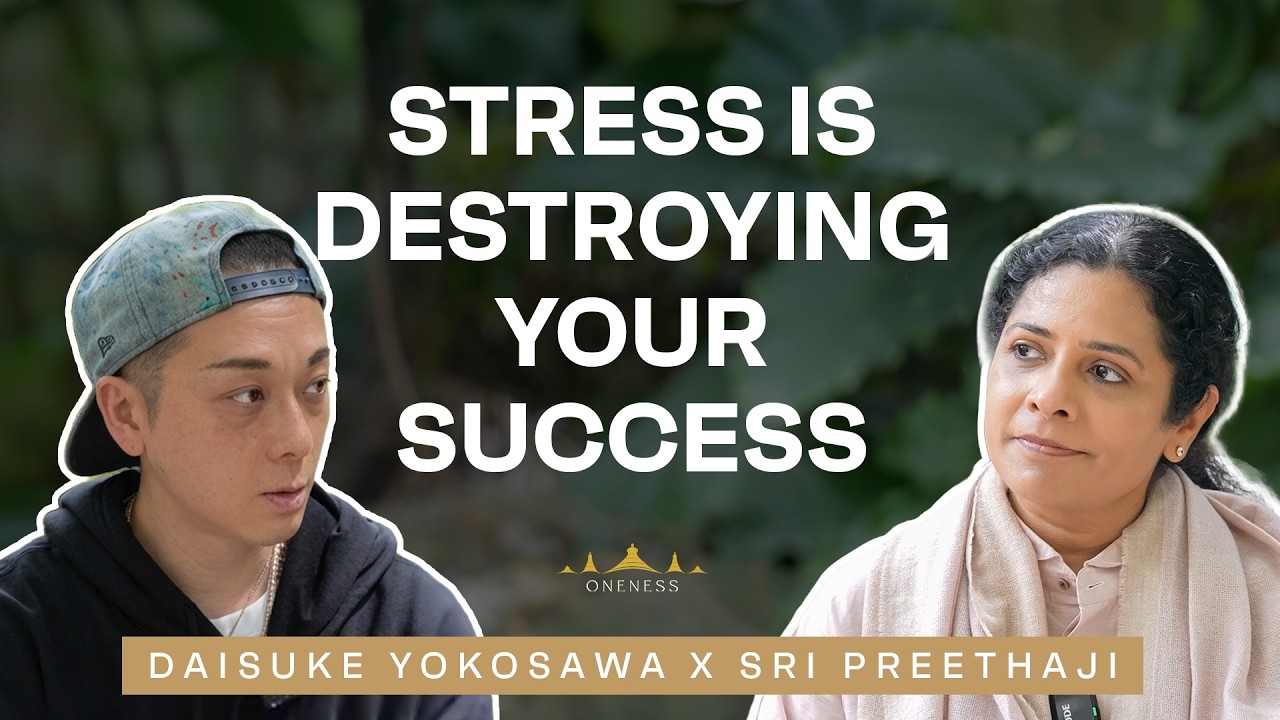
While many spiritual traditions suggest suffering serves a higher purpose or teaches lessons, the Oneness Movement presents a different angle: true freedom does not depend on discovering or accepting a greater meaning behind pain. Instead, liberation emerges when we recognize and break the patterns—mental, emotional, behavioral—that keep us stuck in cycles of suffering. This shift moves focus from "why am I suffering?" to "what patterns am I repeating?" and opens the door to genuine transformation.
The Search for Meaning in Suffering: A Common Spiritual Trap
One of the most common responses to deep pain is to search for its purpose. When faced with loss, illness, failure, or relational conflict, many people ask: "What is this teaching me?" or "Why did the universe or God allow this?" This impulse is understandable. Believing that suffering serves a higher function can feel comforting—it suggests our pain is not random or wasteful, but part of some larger design. Many wisdom traditions, from Buddhism to Christianity to yoga philosophy, reinforce this idea: suffering refines us, teaches compassion, builds character, or serves karmic evolution.
The Oneness Movement, as presented here, challenges this framework. Rather than investing energy in justifying or elevating suffering into cosmic purpose, they point to a more direct path: examining the patterns that generate and perpetuate the suffering itself.
What Are the Patterns That Keep Us Trapped?
Every repeated experience of suffering contains within it recognizable patterns. These patterns operate on multiple levels:
- Psychological patterns: Habitual thought loops, beliefs about ourselves and others, assumptions about what we deserve or can achieve.
- Emotional patterns: Triggered reactions, ways we defend against intimacy or vulnerability, emotional responses tied to past wounds.
- Behavioral patterns: Repetitive actions or relationship dynamics that reliably lead to the same outcomes—the same conflict, the same disappointment, the same isolation.
- Relational patterns: How we approach others, the roles we play in relationships, the unspoken contracts we maintain with family, partners, or communities.
These patterns are not random. They develop for reasons—usually rooted in early conditioning, survival strategies, or adaptations to difficult circumstances. But over time, they persist even when the original context no longer exists. We continue to operate from old blueprints, generating similar suffering repeatedly.
The Difference Between Searching for Meaning and Breaking Patterns
Consider two responses to chronic relationship conflict. One approach is to ask: "What is this relationship teaching me about love, boundaries, or forgiveness?" This is the meaning-search approach. The other approach is to notice: "I play the same role in every partnership. I pursue when rejected and withdraw when approached. I attract partners who mirror my parents' emotional unavailability." This is pattern-awareness.
The meaning-search keeps the focus external—on cosmic purpose or spiritual lessons. The pattern-awareness keeps the focus internal and practical: What am I doing (often unconsciously) that reproduces this outcome? This shift is subtle but profound. It moves the locus of transformation from accepting or understanding suffering to actively interrupting it.
Searching for meaning can actually become a way to avoid the deeper work of pattern recognition. If we believe suffering has purpose, we may rationalize staying in it longer than necessary. "This struggle is making me grow," we tell ourselves, even as the same painful cycle repeats. Breaking patterns, by contrast, requires us to get uncomfortable: to observe ourselves clearly, to change ingrained behaviors, to grieve what we must release.
How Do Patterns Perpetuate Themselves?
Patterns persist because they operate largely outside conscious awareness. We inherit them from family systems, we adopt them as survival strategies in childhood, we reinforce them through repetition until they feel like truth rather than choice. A person who learned that love means sacrifice may repeatedly enter relationships where they give far more than they receive, then feel victimized—without recognizing they are enacting a pattern, not responding to circumstance.
Patterns also persist because there is often a payoff, even in suffering. Suffering can create identity ("I am someone who overcomes adversity"), justify staying small ("If I don't try, I can't fail"), maintain connection to family systems ("My mother suffered this way too"), or avoid responsibility ("This is just how life is for people like me"). The unconscious mind keeps us in familiar pain rather than risk the unknown of transformation.
Breaking Free: What True Freedom Requires
According to the Oneness Movement's teaching, freedom does not come from accepting or understanding suffering's purpose. It comes from recognizing and dismantling the patterns that generate it. This process has several dimensions:
First, awareness: Seeing the pattern clearly. Not intellectually, but in lived experience. Noticing the exact moment a familiar dynamic activates, the feeling state that precedes it, the choices (however automatic) that follow.
Second, responsibility: Acknowledging that while we did not create these patterns, we are now choosing them (often unconsciously) and can choose differently. This is different from blame—it is power. It moves us from victim to agent.
Third, disruption: Taking actions that interrupt the pattern. Not once, but repeatedly, until new neural pathways and behavioral sequences become established. This is not comfortable. The mind will pull toward the familiar, even when the familiar is painful.
Fourth, embodiment: Allowing new ways of being to become integrated, not just conceptual. This requires patience and self-compassion, because pattern change is gradual.
What Happens When You Stop Searching for Higher Meaning?
When we release the question "Why is this suffering happening?" and replace it with "What pattern am I repeating?", several things shift. First, we stop waiting for an external answer—whether from a therapist, guru, scripture, or the universe. We engage directly with our own experience. Second, we move from passivity to agency. We are no longer trying to accept or understand something done to us; we are transforming something we are doing. Third, we often find that suffering decreases not because we found its purpose, but because we stopped generating the conditions for it.
This does not mean life becomes painless. But there is a crucial difference between pain (which is often unavoidable) and suffering (which is usually the result of resisting, denying, or repeating pain). Breaking patterns reduces suffering, even when pain remains.
The Spiritual Maturity in This Approach
Some may object that searching for meaning in suffering is itself a spiritual practice, a way of accepting the divine will or trusting in the universe. The Oneness Movement's counter-position is that this can become spiritual bypassing—using philosophy to avoid responsibility for change. True spiritual maturity, from this view, is not more acceptance or more faith. It is the clarity to see what is, the courage to change what is within our power, and the wisdom to know the difference.
Where to Go From Here
If this teaching resonates, begin with honest self-inquiry: What suffering repeats in your life? What patterns precede it? Can you trace them to their origins? Notice moments when you are tempted to justify staying in pain—to search for its meaning—and ask instead: "What would it cost me to change this pattern?" What would you have to release? Who would you have to become? What would you gain? These questions point toward the real work of transformation, which happens not through understanding but through courageous, sustained action to interrupt old patterns and embody new ones.