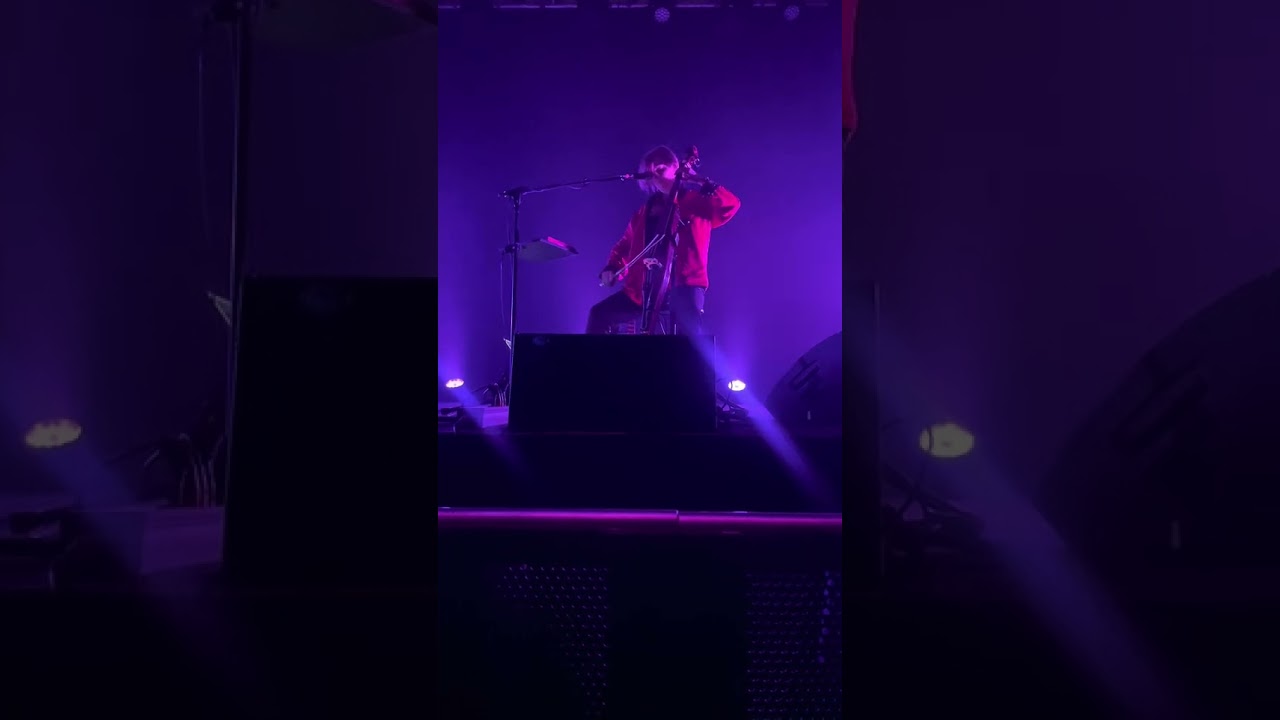
Shannon Hayden performs a brief, meditative cello piece designed for contemplative listening on snowy winter evenings. This one-minute composition captures the quiet solitude and stillness of winter nights through dark, resonant cello tones.
What Makes Winter Evenings a Natural Setting for Cello Music?
Winter nights carry a particular quality of silence—snow absorbs sound, the cold slows time, and darkness deepens introspection. The cello, as an instrument, mirrors this psychological landscape. Its lower register naturally evokes depth, gravitas, and the kind of emotional territory we inhabit when alone with our thoughts on cold evenings. Shannon Hayden's brief composition recognizes this resonance between season and sound.
How Does the Cello Express Darkness in Music?
Unlike brighter instruments that sit in higher frequencies, the cello occupies a frequency range closer to the human voice—particularly the lower registers that suggest melancholy, mystery, and introspection. When performed with sensitivity, cello can convey what might be called emotional darkness: not emptiness, but fullness of feeling. The sustained tones and slow bowing techniques available to cellists allow for a kind of musical holding—letting a note breathe rather than rush. This restraint itself becomes a form of expression, one that rewards patient listening.
What Is the Role of Brevity in Meditative Music?
At just over one minute, this piece does not attempt to build narrative arc or dramatic development. Instead, it functions more like a visual frame: a single image held long enough for contemplation. In meditative practice, brevity can be more powerful than length. A short, well-crafted piece can function as a moment of pause—something to return to, to sit with, to allow to settle into the listener's awareness. It respects the listener's time while maximizing the intensity of attention.
How Can Instrumental Music Support Winter Solitude?
Winter solitude, particularly in snowy conditions, is not necessarily a negative state. It can be a time of psychological rest, of turning inward, of releasing the social demands that dominate other seasons. Music that honors this state—rather than trying to lift the mood or impose uplift—creates space for authentic experience. Hayden's cello work appears designed for this honoring function: it meets the listener where they are in the quiet of a winter evening, rather than trying to transport them elsewhere.
Where to Go from Here
If this brief piece resonates, consider exploring Shannon Hayden's other instrumental work, or more broadly, the field of meditative cello composition. The piece also works well as part of a contemplative practice—playing it during a moment of stillness, before sleep, or during a quiet evening. Winter offers many such moments; music that recognizes their value deepens the experience.