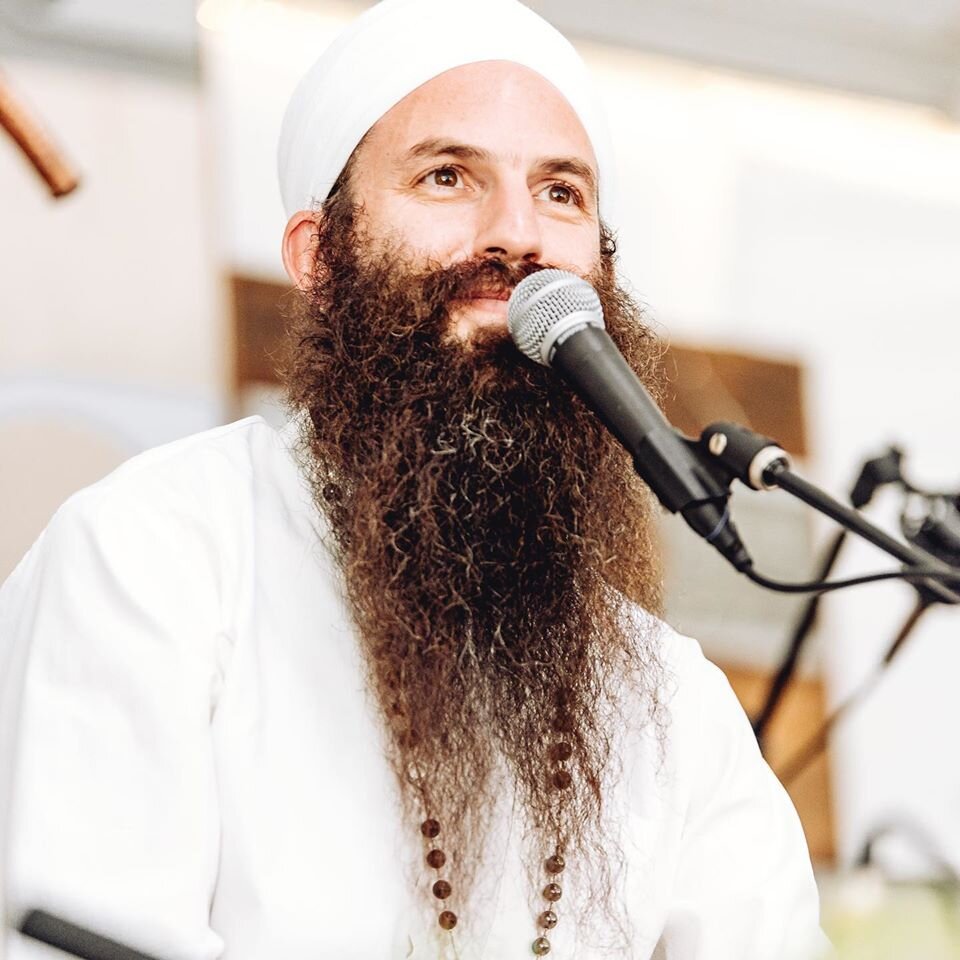
The Colors of Life Festival is a community celebration organized by the Art of Living Retreat Center that brings people together through an integrated practice of dance, music, yoga, and shared food. Held annually (in 2015 on March 7 in Boone, North Carolina), the festival embodies the principle "many colors, all one"—suggesting that diverse spiritual and cultural expressions coexist within a unified human experience. The event model demonstrates how contemplative traditions can move beyond solitary practice into collective, joyful expression.
What Is the Colors of Life Festival?
The Colors of Life Festival is a community event centered on the integration of multiple spiritual and cultural practices. Rather than isolating yoga, music, or movement into separate workshops, the festival presents them as interconnected expressions of human consciousness and celebration. The Art of Living Retreat Center, which hosts the event, positions the festival as an opportunity for participants to experience the fullness of embodied practice—not as abstract philosophy, but as lived joy and connection.
The festival's title itself carries symbolic weight. "Colors of Life" suggests the spectrum of human experience, emotion, and cultural expression. By explicitly linking colors to life, the organizers invoke both the visual splendor of celebration and the multiplicity of paths people take toward meaning and connection. The hashtag "manycolors #allone" encapsulates the philosophical framework: diversity in form, unity in essence.
How Do Multiple Practices Work Together?
The festival format—combining dance, music, yoga, and food—reveals an understanding that spiritual practice extends beyond meditation or asana (physical postures). Dance and music activate the nervous system differently than seated meditation; they engage rhythm, breath, and social bonding simultaneously. Yoga, whether practiced in group settings or individually, prepares the body and mind for these more ecstatic forms of expression. Shared meals create the social container in which all of these practices hold meaning.
This integration reflects a lineage within contemplative traditions that honors both the subtle (meditation, pranayama) and the exuberant (kirtan, dance, celebration). Rather than treating joy and ecstasy as distractions from spiritual practice, the festival model recognizes them as legitimate expressions of inner peace and connection. When people move together, sing together, and eat together after or alongside yoga practice, they are embodying the principle that spirituality lives in relationship—not only in solitude.
Why Focus on Community Celebration Rather Than Individual Practice?
Many spiritual traditions in the modern West have emphasized personal transformation and individual meditation. The Colors of Life Festival shifts the lens to collective celebration. This reflects a recognition that humans are social beings and that shared joy has its own spiritual significance. Community practice—whether moving to music, singing in unison, or simply eating side by side—creates a felt sense of belonging that solo practice may not fully access.
The inclusion of food in the festival agenda is particularly significant. Food is one of the most fundamental expressions of care and sharing. By making meals part of the event structure, the organizers signal that nourishing the body is as important as training the mind or moving the physical form. This is consistent with holistic approaches to wellbeing that view the human being as an integrated whole rather than a hierarchy of spirit, mind, and body.
What Role Does Music and Dance Play in Spiritual Practice?
Music and dance are ancient tools for entering altered states of consciousness and facilitating group cohesion. Unlike sitting meditation, which cultivates inner stillness, music and dance activate the body's capacity for rhythm, resonance, and synchronized movement. When people dance or sing together, their nervous systems begin to entrain—to synchronize. This creates a neurological and emotional state of connection that can feel transcendent.
The festival's emphasis on these practices suggests that the Art of Living Retreat Center views them not as entertainment but as legitimate pathways to deeper awareness. Kirtan (devotional chanting), for example, combines melody, rhythm, and repetition to quiet the discursive mind and open the heart. Dance similarly can move practitioners out of analytical thinking and into direct somatic experience. Both create entry points for people who may not respond to sitting meditation alone.
What Does "Many Colors, All One" Mean?
The festival's guiding principle—many colors, all one—operates on multiple levels. Literally, it speaks to visual diversity and aesthetic celebration. Spiritually, it echoes the Vedantic concept that multiplicity arises from a single underlying reality. Different paths, practices, and people are like different colors in a spectrum, each distinct, yet all manifestations of the same light.
Applied to the festival structure, this principle means that dance, music, yoga, and food are not competing practices but complementary expressions of the same human capacity for presence, connection, and joy. It also extends to the participants: people of different backgrounds, ages, abilities, and spiritual traditions gather under one umbrella. The festival creates space for this diversity while affirming an underlying unity of experience.
How Does the Festival Model Serve Community Engagement?
By organizing a public, multi-hour event (the 2015 festival ran 4-7pm on a Saturday afternoon), the Art of Living Retreat Center made spiritual practice accessible and welcoming to people who might not typically attend meditation retreats or yoga studios. The festival timing—late afternoon into early evening—suggests an event designed for families, working professionals, and casual attendees. There is no requirement to be a "serious" practitioner; the implicit message is that joy and celebration are available to everyone.
The geographic location (Boone, North Carolina in 2015) indicates a commitment to bringing these practices into communities beyond major urban centers where yoga and meditation are more mainstream. This democratization of access reflects a shift in how spiritual centers position themselves: not as exclusive venues for the devoted, but as community anchors offering tools and experiences that benefit collective wellbeing.
Where to Go From Here
If you're interested in exploring integrated spiritual practice that combines movement, sound, and community, look for festivals or events in your area that bring multiple modalities together. Consider how your own spiritual practice might benefit from adding elements of music, dance, or communal gathering. The Colors of Life Festival model suggests that transformation and connection don't only happen in silence—they also happen when people move, sing, and celebrate together. You might explore kirtan communities, ecstatic dance events, or community yoga gatherings that prioritize the collective experience alongside individual practice.


