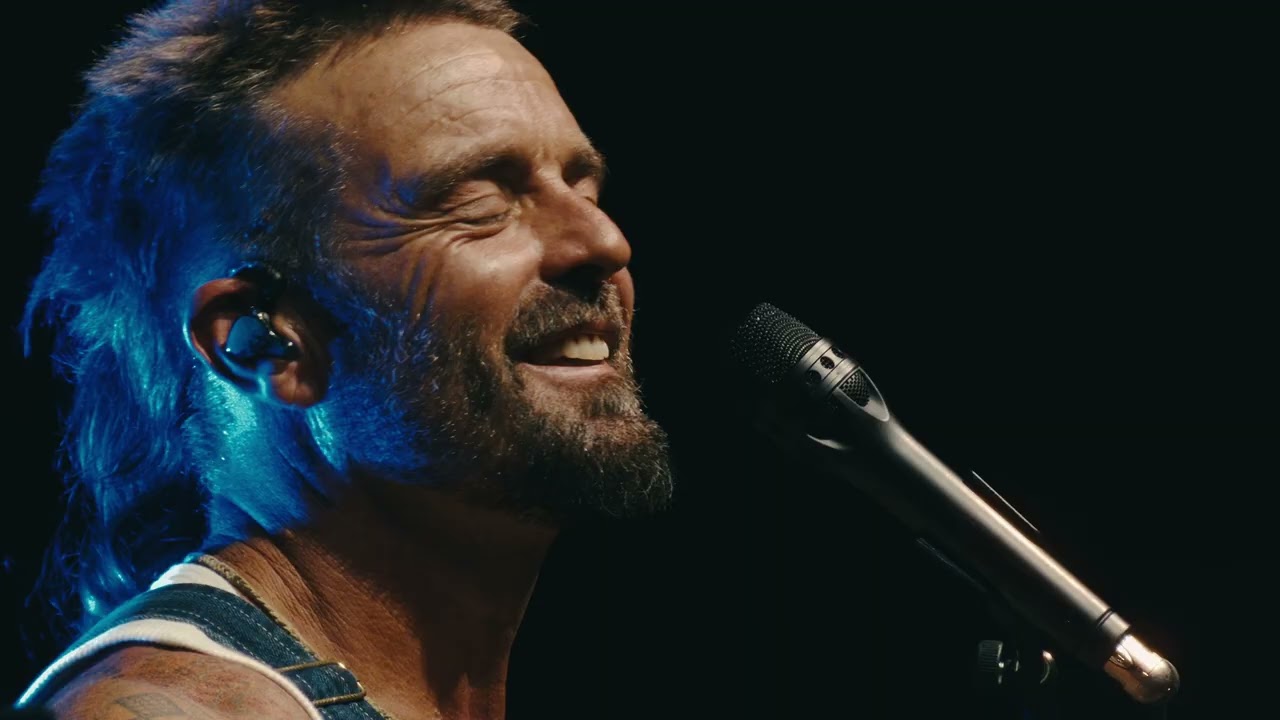
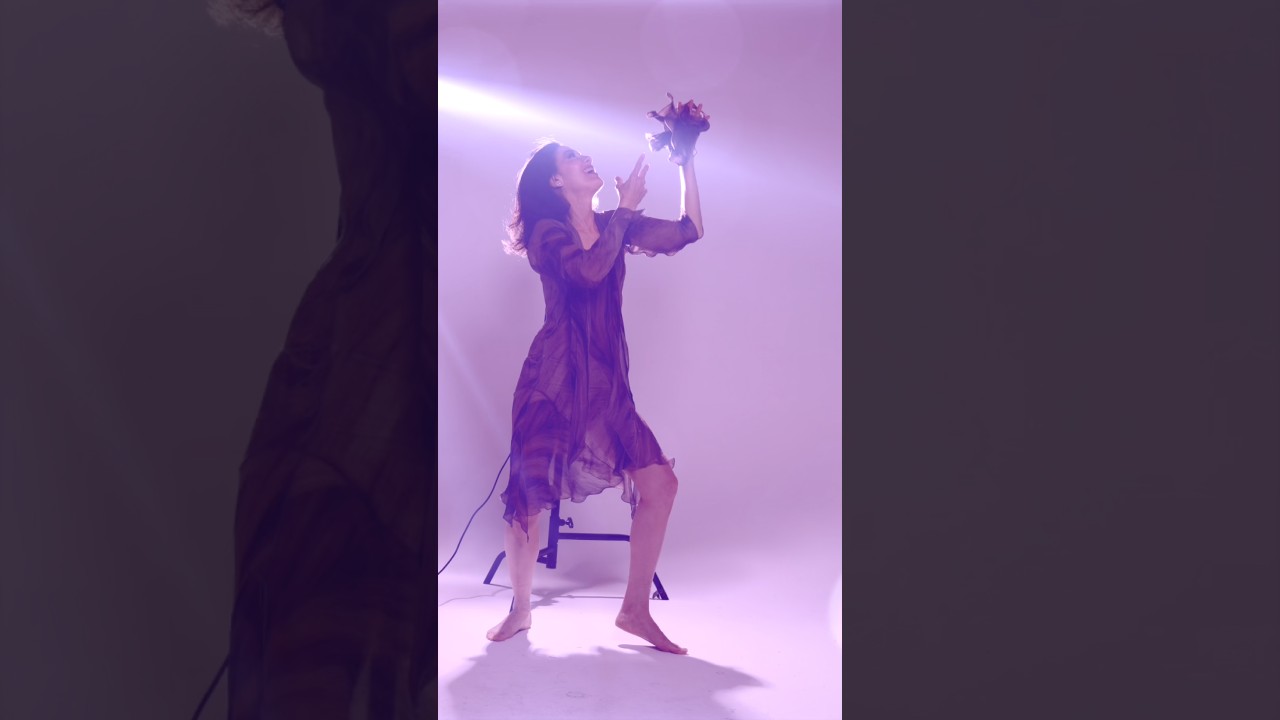
"Come People" is a spiritual anthem that weaves together themes of collective awakening, healing sacredness and woundedness, and humanity's role in addressing the suffering that has been "neglected through the ages." The song frames the spiritual quest as both personal (seeking enlightenment) and collective (calling people to unite), invoking ancestral wisdom (the grandmother figure) and dreamwork as channels for liberation and freedom.
What Does It Mean to "Come People" in a Spiritual Sense?
The repeated refrain "Come people come now people" (starting at 0:10) operates as both invitation and urgency. Rudd is not merely calling for attendance; he is summoning a collective consciousness. The phrase suggests that humanity—fractured, distracted, suffering—needs to gather around a shared spiritual awareness. The word "come" appears 30+ times throughout the song, creating a hypnotic rhythm that mirrors the cyclical nature of spiritual practice itself.
The opening insight—"Round and round we go again. Spirit quest for enlightenment"—establishes the framework. Life is not linear; it is cyclical, returning again and again to the fundamental human endeavor: seeking enlightenment. Yet this is not individual meditation in isolation. Rudd frames enlightenment as something that unfolds within the "round and round" of collective human existence.
How Do Sacredness and Woundedness Connect?
One of the song's central teachings appears at 0:29–0:39: "The rise and fall of things revealed of sacredness and woundedness to heal." This line suggests that all phenomena—all "things"—contain both sacred and wounded dimensions. Nothing exists in pure form. Sacredness is not separate from woundedness; rather, healing requires acknowledging both simultaneously.
The song moves from abstract spiritual philosophy to embodied planetary suffering. At 0:52–0:59, Rudd sings: "The suffering beneath your feet has been neglected through the ages. I held that little girl was a message in my dreaming." This shifts the frame from timeless spirituality to historical trauma and collective forgetting. The "little girl" is not just a personal image—it represents an innocence, a potential, a dimension of human experience that has been systematically overlooked.
The image of the girl reappears multiple times (0:59–0:67, and again at 1:07–1:13), suggesting that this figure—whether literal or archetypal—carries a crucial message that comes through dreaming, intuition, and the non-rational mind. "I held that little girl. She was a message in my dreaming" invokes the Jungian idea that the unconscious speaks in symbols and that healing requires listening to what the dream-self knows.
What Role Does Planetary Alignment and Energetic Interchange Play?
At 0:42–0:50, Rudd introduces a contemporary spiritual vocabulary: "Phrases from the internet of planetary alignment and the energetic push and pull we share. Who will hide and who will seek?" This suggests that modern spirituality operates through internet-shared wisdom, astronomical/astrological awareness, and an understanding of energy as relational—something that moves between beings and entities.
The question "Who will hide and who will seek?" introduces ethical choice into the spiritual framework. Seeking enlightenment is not automatic; it requires choosing to look, to ask, to remain open rather than hiding within familiar patterns or denial. This echoes the Sufi distinction between those who knock on the door and those who remain asleep.
How Does the Song Invoke Ancestral and Feminine Wisdom?
At 0:98–1:05, a shift occurs: "Grandmother pull us out. Grandmother, can you tell me how we have been so mistaken?" This invocation of the grandmother figure taps into Indigenous and cross-cultural spiritual traditions where elders—particularly elder women—hold wisdom about collective error and healing paths forward. The question "how we have been so mistaken" acknowledges that humanity has moved away from truth, balance, or right relationship.
The grandmother is not asked to fix the problem directly; she is asked to speak, to tell, to transmit wisdom. This positions healing as relational and intergenerational—the younger generation must hear from those who carry memory and perspective. In many Indigenous worldviews, the grandmother also represents the land itself, the body of the Earth. Her wisdom is ecological and ancestral simultaneously.
What Does the Namaste Gesture Signify in the Song's Context?
Near the end (1:72–1:76), Rudd sings: "I bring my hands namaste and I will graciously set you free." This is a subtle but crucial moment. The Sanskrit gesture namaste—often interpreted as "the divine in me honors the divine in you"—is offered not as a mere greeting but as an act of liberation. The speaker is setting the listener/other person free from something: perhaps expectation, projection, the weight of collective suffering, the burden of being held in old patterns.
This act of setting free is not domineering or savior-like; it is gracious. It honors the autonomy and divinity within each person. The spiritual work, then, is not to impose enlightenment but to release others into their own capacity for awakening.
What Is the Significance of Falling Together?
At 0:88–0:93, Rudd sings: "Feel the touch of a gentle rain and we fall together when the earth breaks away. We should divide." This moment is ambiguous and provocative. The "gentle rain" suggests nourishment, grace, the softening that allows growth. "We fall together" suggests collective vulnerability or descent—perhaps a necessary falling away of the ego-structures or false certainties that have held the collective in place.
The phrase "when the earth breaks away" evokes both apocalyptic imagery (Earth breaking apart) and the breaking open that accompanies spiritual transformation. Yet immediately after, Rudd says "We should divide"—a jarring reversal. This may suggest that unity does not mean uniformity; division and differentiation are also necessary. Or it may be questioning the very possibility of unified action, inviting listeners to wrestle with contradiction.
Where to Go From Here
"Come People" functions as a spiritual call-to-action embedded in song. Rather than offering doctrine or instruction, it operates through repetition, image, and emotional resonance—the way sacred chants and mantras work. The song invites listeners to consider: What is my relationship to collective suffering? How am I being called to awaken? What messages am I receiving in dreams or intuition? How can I honor both the sacred and the wounded dimensions of existence?
Rudd's work, released on the 2015 album Nanna, sits within a lineage of protest music, Indigenous wisdom, and contemporary spirituality. His Australian-Indigenous heritage shapes the worldview here—one that honors the land, ancestors, and cyclical time rather than linear progress. To engage deeply with the song, one might explore: the role of dreaming in Indigenous cultures, the concept of woundedness in collective healing work (as in Resmaa Menakem's work on racialized trauma), and the relationship between individual enlightenment and collective liberation in Buddhist and other contemplative traditions.