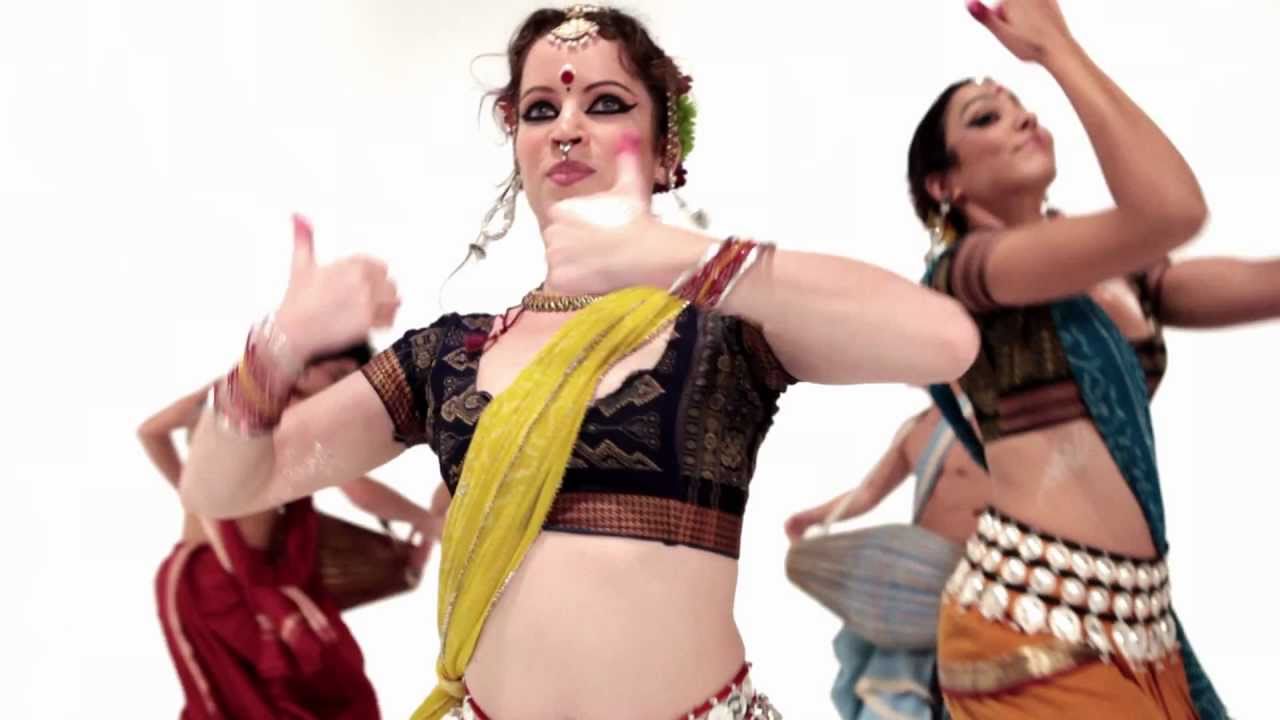
At Chant4Change in Washington DC, kirtan artists Gaura Vani and As Kindred Spirits perform a concert linking the historical lineage of chanting practice—from Mahatma Gandhi through Martin Luther King Jr. to contemporary activism—with the invocation of Ram as the embodiment of Divine rulership and perfect leadership. The performance frames mantra chanting not as private meditation but as a public tool for social transformation, drawing on India's deep historical connection between sacred chanting and non-violent social reform.
How Does Chanting Connect to Non-Violent Social Movements?
The performance begins by establishing a direct genealogy of spiritual inspiration: Obama drew from Martin Luther King Jr., who in turn was inspired by Mahatma Gandhi. This lineage matters because Gandhi himself emerged from India's deep tradition of chanting. The speaker situates chanting not as an esoteric practice isolated from worldly concerns, but as intrinsically linked to India's historical commitment to non-violent social reform.
When the speaker notes that "India and non-violent social reform are deeply linked," they're identifying a cultural and spiritual infrastructure in which chanting functioned as more than devotion—it was also a method for collective focus and intention-setting during social movements. Gandhi, living within this tradition, practiced chanting as part of his spiritual discipline and, by extension, as part of his approach to social transformation. The call-and-response chanting at rallies ("we won't go, we won't go") demonstrates how mantra becomes a vehicle for unified group action, creating coherence and resolve among participants.
Why Is Ram Invoked for Leadership and Empowerment?
The performance centers on the Ram mantra, and the speaker provides explicit theological reasoning for this choice. Ram, in Hindu theology, is understood as an incarnation of the Divine who "embodies the perfect ruler or the perfect King." Rather than seeking abstract spiritual blessings, the kirtan invokes Ram as a model—an exemplary form of leadership and rulership that can inform and guide contemporary leaders and society itself.
By chanting Ram's name "at this time," the performance makes a contextual claim: in the moment of a particular political moment (the concert was recorded in 2010), the qualities associated with Ram—justice, virtue, protection, righteous governance—are precisely what is needed. The prayer articulated in the kirtan asks explicitly "for empowerment for our new leaders and for ourselves for our city for our country and for our world," and then invokes "the blessings of Ram" to descend upon leaders and upon all gathered.
This is a very specific use of mantra: not primarily for personal enlightenment or stress relief, but as a collective petition for wise, virtuous leadership and for the spiritual qualities necessary to support social transformation.
What Role Does Call-and-Response Play in Collective Chanting?
The speaker references the traditional call-and-response format used in activist rallies: "we like to chant in rallies, 'no we won't go, we won't go'"—a direct echo of protest chants from the civil rights movement. This form of chanting relies on a leader or singers initiating a phrase, and the community responding. The structure creates several effects simultaneously: it unifies disparate voices into a single chorus, it allows for both learning and participation by those unfamiliar with the words, and it creates a rhythmic, almost hypnotic coherence that can sustain energy during long gatherings or demonstrations.
Call-and-response chanting is participatory in a way that a solo performance is not. It places the audience not as passive listeners but as active co-creators of the sound and intention. This is especially significant in the context of social activism, where participants need to feel agency and shared purpose.
How Does the Ram Mantra Differ from Other Spiritual Practices?
The speaker emphasizes that this particular chant is "filled with the name of Ram," suggesting that the concentration of Ram's name throughout the melody makes it a sustained invocation rather than a one-time petition. In mantra practice, repetition of a divine name is believed to invoke the qualities and presence associated with that deity. Ram's name, repeated and amplified through group singing, becomes a vibrational and psychological anchor for the qualities being sought.
The choice of Ram over other divine names (Krishna is also mentioned at points in the performance) suggests intentionality in spiritual selection. Whereas Krishna is often associated with divine play, love, and intimate relationship with the self, Ram is associated with dharma (righteous duty), perfect rulership, and exemplary conduct. For a gathering focused on social change and leadership, Ram is the more fitting invocation.
What Is the Relationship Between Personal Empowerment and Collective Action?
Notably, the prayer includes "for empowerment for our new leaders and for ourselves"—a dual focus that recognizes both the need for wise leadership at institutional levels and the need for spiritual empowerment among ordinary people. This reflects a non-hierarchical view of social transformation: leaders matter, but so do the citizens, communities, and individuals who must embody the changes they seek.
By gathering to chant together for these blessings, participants are not passively hoping someone else will fix things; they are actively invoking spiritual resources (whether understood literally or symbolically) and affirming their own role in the transformation. The chanting becomes a form of self-authorization—a declaration that "we" have the power, with divine support, to shape our cities, countries, and world.
Where to go from here
If this approach to chanting as social activism resonates, consider exploring the historical connection between Gandhi's spiritual practice and his political strategy. Biographies and writings on Gandhi often detail how his daily chanting practice informed his approach to non-violence and collective action. You might also investigate how contemporary protest movements have incorporated chanting, music, and call-and-response as tools for maintaining group coherence and spiritual focus during demonstrations.
For those interested in kirtan practice itself, Gaura Vani's other recordings and performances offer deeper exploration of how traditional Sanskrit chanting can be adapted for contemporary contexts. And for those curious about Ram as a theological and spiritual figure, the Ramayana and Bhagavad Gita offer classical texts in which Ram's qualities and rulership are explored in depth.