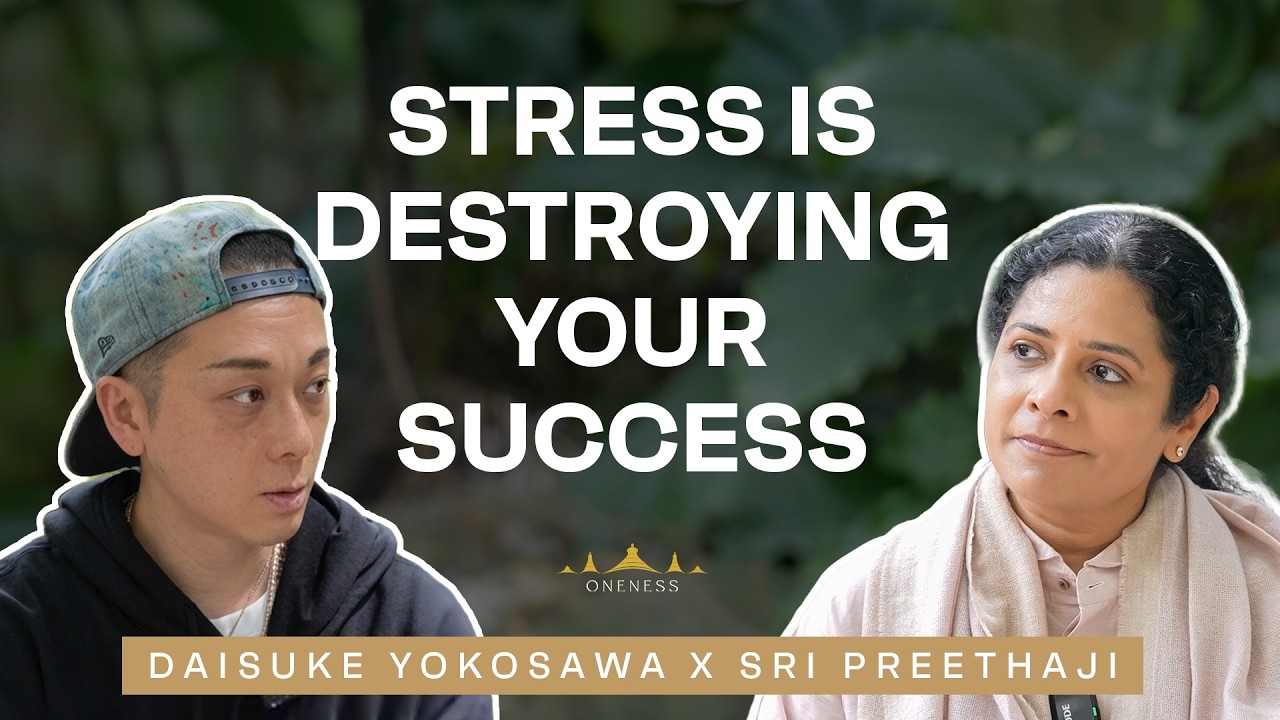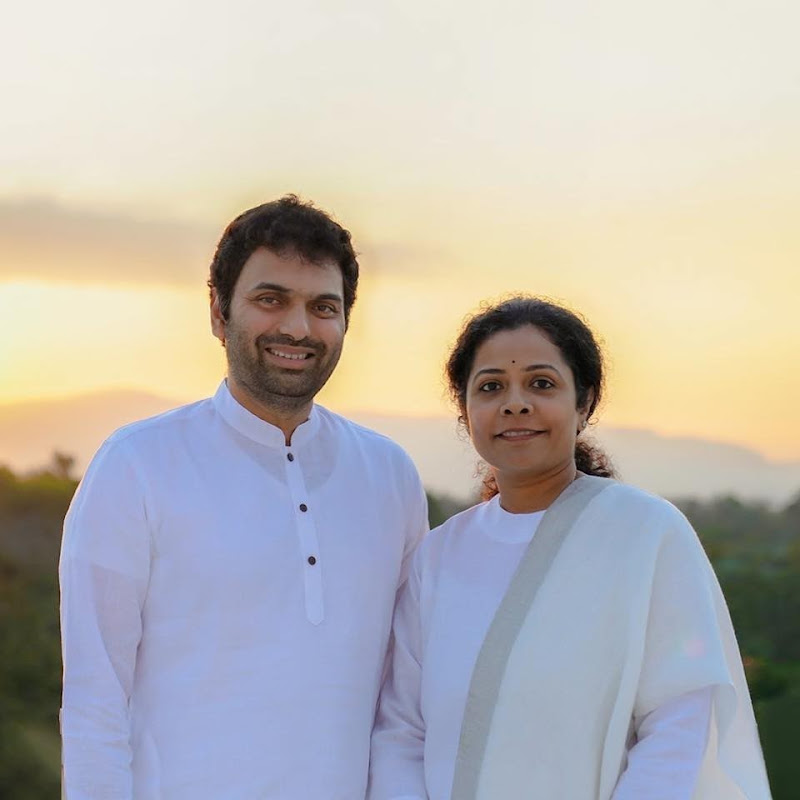
This video features William's personal awakening story within the Field of Awakening (FOA), a practice framework offered by Sri Preethaji and Sri Krishnaji of the Oneness Movement. Through first-person testimony, William describes his journey toward conscious awareness and spiritual unfoldment, illustrating how direct engagement with the FOA methodology facilitates shifts in perception and lived experience. The account demonstrates the Oneness Movement's teaching that awakening is an accessible, embodied process rather than an abstract ideal.
What Is the Field of Awakening (FOA)?
The Field of Awakening (FOA) is a structured practice within the Oneness Movement created by Sri Preethaji and Sri Krishnaji. It serves as a container for participants to experience shifts in consciousness through guided processes, meditation, and direct transmission. The FOA operates on the principle that awakening—a fundamental shift from ego-bound perception to unity consciousness—can be catalyzed through intentional environments and clear instruction.
Rather than treating awakening as a distant goal reserved for monastics or lifelong practitioners, the FOA framework suggests that ordinary people engaged in regular life can access direct experience of their true nature. This democratization of spiritual practice reflects the Oneness Movement's broader mission to make consciousness accessible across cultures and life circumstances.
How Does Personal Testimony Function in Spiritual Teaching?
William's story exemplifies a teaching method used across contemplative traditions: the authentic account of transformation. When a practitioner shares concrete details of their own shift—from confusion to clarity, from suffering to peace, from isolation to interconnection—it serves multiple functions. It provides a map for other seekers, normalizes the awakening process, and demonstrates that the teachings are not merely philosophical but practically embodied.
In the context of the Oneness Movement, such testimonies are not mere inspirational anecdotes. They function as evidence that the specific practices and transmission work. When someone like William publicly describes his experience, he affirms that the FOA methodology produces measurable shifts in how consciousness operates in daily life.
What Shifts Characterize an Awakening Experience?
Awakening in the framework of Sri Preethaji and Sri Krishnaji typically involves:
- Dissolution of the separate self: A fundamental shift in the sense of identity from a bounded, individual ego to a participant in a larger unified whole.
- Shift in perception: Movement from seeing the world through the lens of personal preference, fear, and desire to perceiving reality with greater clarity and non-judgment.
- Embodied knowing: The experience moves from intellectual understanding to a felt, lived awareness that transforms how one moves through the world.
- Ease and aliveness: Many practitioners report a lightening of the burden of individual identity and a corresponding sense of vitality and joy.
William's testimony likely includes one or more of these dimensions. The FOA is designed to create the conditions under which such shifts become possible through direct experience rather than belief or conceptual learning.
How Does the FOA Create Conditions for Awakening?
The FOA employs several methodologies to facilitate consciousness shift:
- Transmission: Sri Preethaji and Sri Krishnaji work with energy and consciousness directly, creating an environment in which the mind's ordinary defenses soften.
- Guided processes: Structured meditations and inquiries that move attention away from thought and toward direct experience of awareness itself.
- Community: The presence of others engaged in the same intention amplifies the field and provides mutual support.
- Clear teaching: Instruction that removes conceptual barriers and points directly to what is always present but obscured by habitual perception.
These elements work together to create what the Oneness Movement describes as a "field"—a coherent energetic and conscious environment in which transformation becomes more accessible than it typically is in ordinary circumstances.
Why Do Awakening Stories Matter for Seekers?
For someone exploring the spiritual path, stories like William's serve critical functions. They reduce the sense of impossibility that often surrounds the idea of awakening. When a person encounters a genuine account from someone recognizably human and contemporary—not a saint from centuries past—the possibility becomes real. The story also provides indirect permission: if William can awaken, perhaps I can too.
Awakening stories also clarify what awakening actually looks like in ordinary life. Rather than mystical exoticism or superhuman abilities, William's account likely demonstrates that awakening is compatible with family, work, and human relationship. This grounding in ordinary life is central to the Oneness Movement's approach.
What Is the Role of Sri Preethaji and Sri Krishnaji in Facilitating Awakening?
Sri Preethaji and Sri Krishnaji function as channels and facilitators rather than distant authorities. In the Oneness Movement framework, they are understood to work at multiple levels of consciousness simultaneously. Their teaching includes both verbal instruction and direct transmission—a non-verbal imparting of consciousness that participants experience in their presence.
The fact that William shares his story within this container suggests that his awakening was catalyzed partly through proximity to these teachers and their work. This reflects the traditional understanding that awakening is not solitary; it occurs in relationship with those who have already crossed that threshold.
How Do Individual Awakenings Contribute to Collective Transformation?
The Oneness Movement operates with the understanding that individual awakening has collective implications. As each person shifts from ego-based perception to unity consciousness, they contribute to a shift in the collective field. William's awakening is therefore not purely personal; it represents a thread in a larger tapestry of consciousness transformation that the movement seeks to weave.
By sharing his story, William becomes a conduit for others. His testimony can awaken recognition in listeners—a sense that "Yes, this is possible" that opens pathways in the listener's own consciousness. Stories of awakening thus function as tools of transmission themselves.
Where to go from here
If William's account resonates with you, consider exploring the Field of Awakening directly through official Oneness Movement resources and programs. Seek out the teaching of Sri Preethaji and Sri Krishnaji through video, in-person events, or structured online courses. Connect with a community of practitioners engaged in similar inquiry—the collective field amplifies individual capacity for shift. Begin a simple meditation practice that trains attention toward direct experience rather than thought. Read additional awakening testimonies to understand the range of how consciousness can shift. Most importantly, recognize that if you feel drawn to this path, the impulse itself may indicate readiness; awakening is not reserved for the exceptionally spiritual but available to anyone willing to turn their attention toward it.