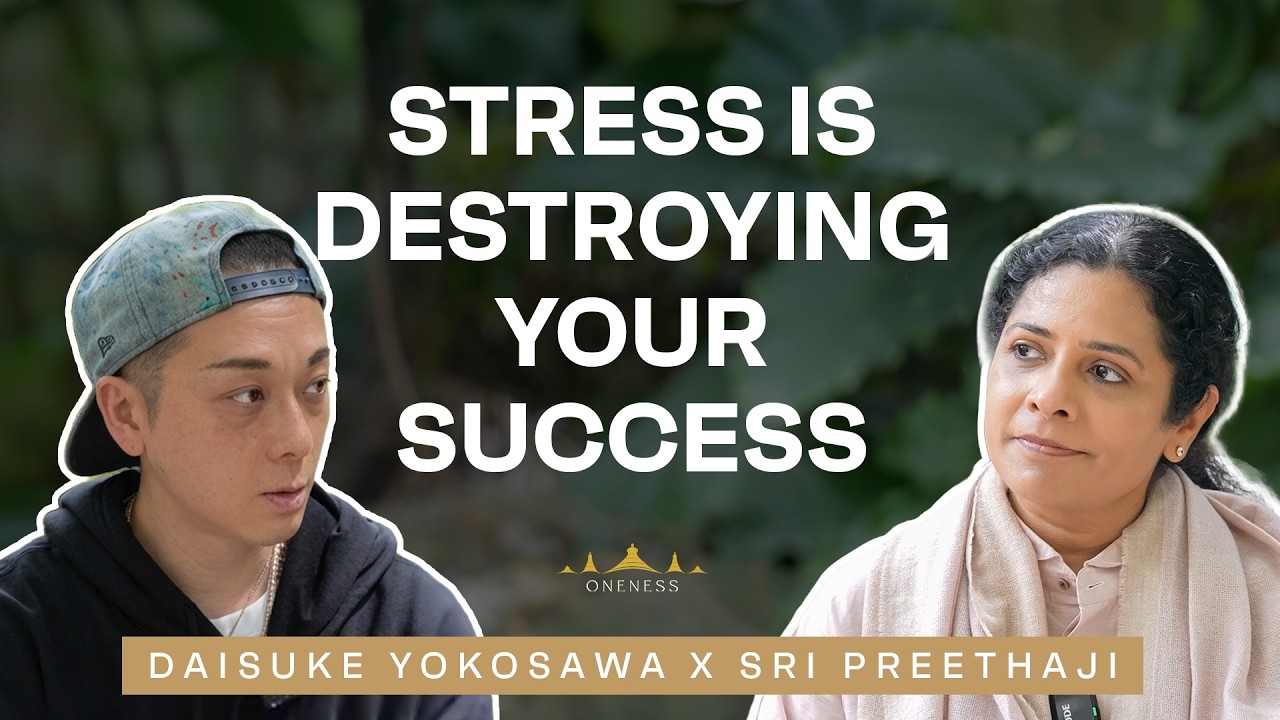
This guided field explores moving beyond the conceptual mind to access witness consciousness—a state of aware presence that dissolves suffering, liberates you from mental constraint, and opens direct experience of joy, connection, and abundance. Rather than transcendence achieved through effort, this teaching emphasizes awakening as a state of natural freedom that emerges when identification with thought patterns releases.
What Does It Mean to Go "Beyond the Mind"?
The invitation to move "beyond the mind" does not mean rejecting thought or developing a blank mind. Rather, it points to shifting your primary location of consciousness from identification with thought-content to a witnessing presence that observes thought without being governed by it. Most people live primarily in the thinking mind—interpreting, evaluating, ruminating, and filtering reality through concepts. This mental layer, while useful for practical tasks, becomes a prison when it becomes your default identity.
To step beyond this prison means to recognize that you are not your thoughts, emotions, or mental narratives. You are the awareness in which these phenomena arise. This distinction is foundational. When consciousness rests as witness rather than as thinker, the entire relationship with mind changes. Thoughts still occur, but they no longer dictate your state of being.
How Does Witness Consciousness Emerge?
Witness consciousness is not a mental achievement. It is not something you attain through effort or accumulation of spiritual knowledge. Rather, it is your natural state when the mind's habitual contraction—the grasping, resisting, and interpreting—pauses. In the Oneness Movement's framework, awakening is less about becoming something new and more about recognizing what you already are beneath layers of conditioned mental activity.
The teaching suggests that true freedom comes not from controlling or perfecting the mind, but from recognizing your consciousness as separate from mental processes. When you stop being the problem-solver locked in mental struggle, you become the space in which the mind can operate without limitation. This shift has immediate consequences: suffering that seemed permanent loosens, clarity increases, and connection to others becomes more genuine because it is not filtered through defensive mental patterns.
What Is the Connection Between Mind-Freedom and Joy?
The prison walls of the mind—the repetitive thought loops, the self-doubt, the internal conflict—generate suffering not because external circumstances are inherently painful, but because the mind keeps you contracted in fear and self-protection. When you awaken as witness consciousness, you step out of that contraction. The mind may still generate its usual content, but you are no longer identified with that content. You observe it with equanimity.
From this vantage point, natural joy and peace emerge. They are not foreign states you must create; they are the natural hum of consciousness when it is not compressed by mental resistance. The abundance mentioned in the teaching refers not only to material prosperity but to an abundance of presence, responsiveness, and genuine connection. When you are not locked in mental self-reference, you can meet life and people with freshness and openness.
How Does This Relate to Deep Connection With Others?
Most human disconnection arises not from lack of proximity but from the fact that each person is locked in their own mental narrative. Two minds meeting is not genuine meeting. When consciousness awakens as witness, something else becomes possible: two presences recognizing each other. The mental filters—judgment, comparison, defensiveness—that normally mediate relationship soften or dissolve. What emerges is contact at the level of being rather than at the level of personality and concept.
This is why the teaching emphasizes that awakening brings "deep connection." It is not about learning better communication techniques. It is about each person becoming available—no longer imprisoned in mental self-concern—so that authentic meeting can occur. In such meetings, love and understanding flow more naturally because they are not obstructed by fear-based mental strategies.
Can You Dissolve Suffering Through Consciousness Alone?
The teaching points to a profound truth: suffering is not inherent in life circumstances but in the way the mind relates to those circumstances. The same event that the mind interprets as tragedy, a liberated consciousness might perceive as opportunity or simply as what is happening. This is not denial or spiritual bypassing. It is a recognition that the mind's habitual interpretations are not absolute truth.
When you rest as witness consciousness, you are no longer fighting your experience or contracting against it. You can feel emotion, acknowledge pain, and respond appropriately—all without the added layer of mental suffering that comes from resisting or dramatizing. Many spiritual traditions point to this same recognition: freedom is not the absence of difficulty but the absence of contraction around difficulty.
What Role Does the Guided Field Play?
The reference to a "powerful field" in the teaching context suggests that awakening is not purely an intellectual understanding but a shift that can be transmitted or catalyzed through resonance and presence. In the Oneness Movement and similar traditions, a teacher or group holding a particular state of consciousness creates a field—a vibrational or energetic context—in which others' consciousness can shift more easily. You are not passive in this field; rather, your own readiness meets the field's transmission, and awakening occurs.
The guided nature of the experience means you are being led into the state rather than having to figure it out alone through philosophical analysis. This is significant because witness consciousness is not primarily conceptual knowledge but a shift in your actual functioning. A guide can point you toward the threshold and support the crossing.
Is This State Permanent or Temporary?
The teaching invites awakening as an ongoing recognition rather than a one-time event. In the beginning, witness consciousness may feel like a temporary state—you slip into it during the guided field, and then ordinary mind reasserts itself when you return to daily activity. However, as the recognition stabilizes and deepens through practice or continued exposure to the field, it can become your baseline. You begin to recognize yourself primarily as witness, and the thinking mind becomes a tool you use rather than the identity you defend.
This is not a magical process but a genuine shift in where your sense of "I" is located. The mind does not disappear; it continues to function. But it functions in service to consciousness rather than consciousness being imprisoned by it.
How Does This Teaching Address Limitation and Abundance?
Mental limitation arises when consciousness identifies with its own thoughts about what is possible. "I am not enough," "I cannot change," "the world is dangerous"—these are mind-generated conclusions that the mind then defends as truth. They become self-fulfilling prophecies because the limited consciousness attracts and perceives only evidence that confirms the limiting belief.
When you awaken as witness consciousness, you recognize these beliefs as mental constructs rather than facts. This opens the possibility of operating from a different assumption: that you are fundamentally connected to a larger intelligence, that change is always possible, that there is abundance available. This is not positive thinking imposed on top of doubt; it is a genuine shift in how you perceive and relate to possibility.
Where to Go From Here
If this teaching resonates, the first step is not to analyze it further but to create conditions for the shift to happen in your own being. Sit in silence and practice observing your mind without identifying with its content. Notice the thoughts, emotions, and sensations that arise, but recognize that you are the awareness in which they appear. You might ask yourself: "Who is aware of these thoughts?" and rest in that question without trying to answer it mentally.
Seek out teachings or teachers in traditions that point to witness consciousness—whether Advaita Vedanta, Dzogchen Buddhism, contemporary teachers in the nondual lineage, or the Oneness Movement itself. The resonance you feel with such teachings is often the consciousness within you recognizing itself. Continue with practice, community, or guided work until the recognition becomes stable and natural. The freedom, peace, and joy that emerge are not future possibilities but your true nature waiting to be recognized.