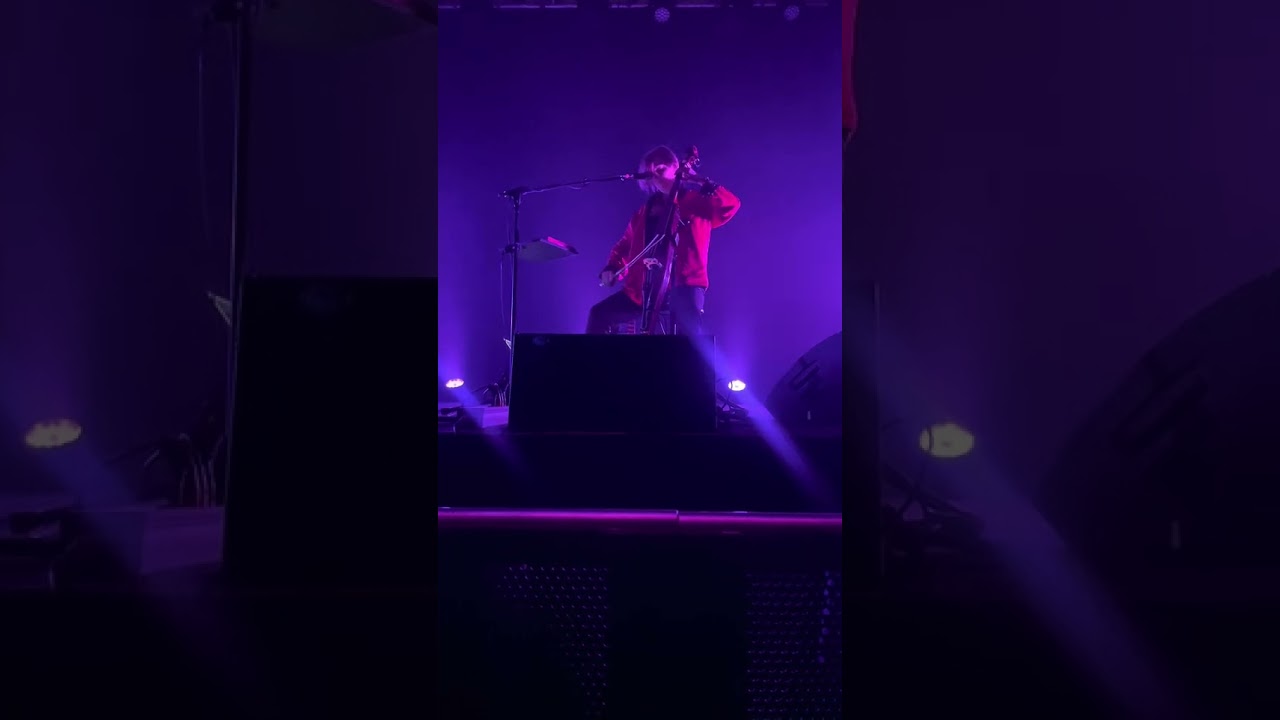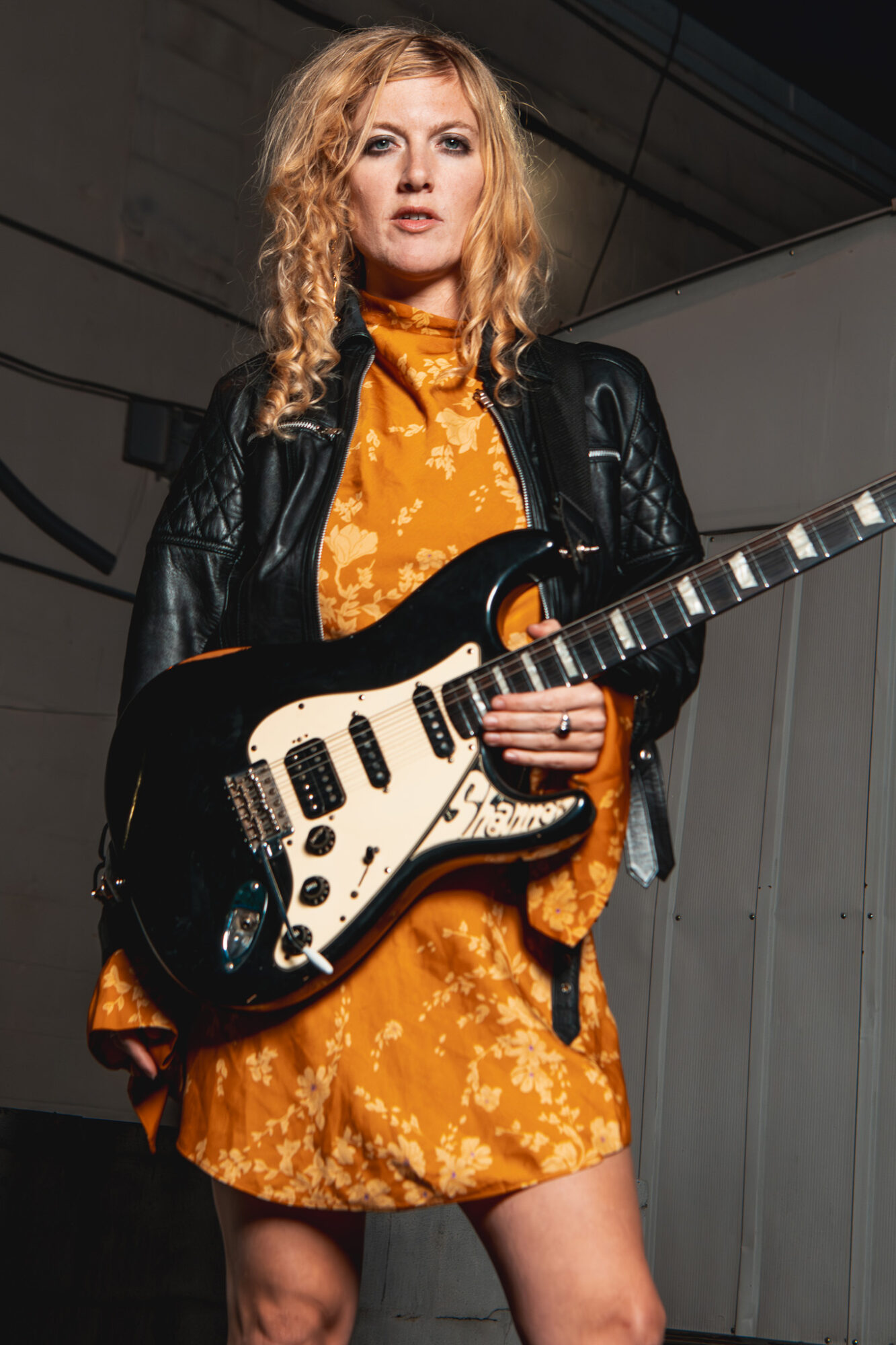
Shannon Hayden's "Forever In A Second," a graduate degree recital at Yale, is a composition for amplified cello and live electronics that uses acoustic and digital sound processing to investigate the relationship between temporal perception and musical presence. The piece operates as an exploration of how a single moment can contain infinite complexity when approached through rigorous sonic investigation—a meditation on duration, resonance, and the nature of time itself rendered through instrumental performance.
What does amplified cello mean in contemporary composition?
Amplified cello represents a departure from the classical instrument's traditional acoustic envelope. By routing the cello through amplification and electronic processing, a performer can expand the instrument's timbral palette far beyond what acoustic projection alone permits. The amplification doesn't simply make the sound louder—it captures the full spectrum of vibrations from the strings, the body, and even the bow mechanics, then makes those frequencies available for manipulation, filtering, and transformation in real time.
In Hayden's context, the amplified cello becomes both a sound source and a control interface. The acoustic gesture of playing—the pressure, speed, and articulation of the bow—generates signals that can feed into electronic processes. This creates a feedback loop between the performer's physical action and the electronic apparatus, collapsing the traditional distance between "classical instrument" and "electronic instrument." The cello is no longer simply played; it becomes an agent of sonic exploration.
How do electronics extend the cello's expressive range?
Live electronics in composition function as a second performer or an extension of the performer's intention. Processing tools—reverb, delay, granulation, pitch-shifting, filtering—can respond to or transform what the cellist plays in real time. A single bow stroke might generate multiple echoes, pitched variants, or textural clouds that evolve autonomously while the cellist continues playing.
This creates compositional possibilities unavailable on an acoustic instrument alone. A musician can layer their own sound, create complex interference patterns, or generate timbral colors that exist outside the normal range of string vibrations. The piece "Forever In A Second" uses this capability to suggest that a brief moment of sonic activity can unfold into something temporally infinite—the electronics stretch, loop, or fragment what the cello plays, making a second's worth of acoustic material expand into a multi-layered, complex listening experience.
What is the significance of the title "Forever In A Second"?
The title proposes a paradox central to musical and philosophical experience: that duration and temporality are perceptually relative. In contemplative practice and in music alike, a single moment can feel empty or eternally full depending on attention, density, and the richness of experience occurring within it.
The phrase suggests that Hayden is interested in how sonic complexity—the layering of acoustic and electronic sounds, the emergence of unexpected frequencies, the texture of resonance—can compress the listener's and performer's sense of time. What might objectively be five minutes of clock time becomes, subjectively, something far larger: an immersive exploration that contains enough material, contrast, and development to feel like much more. Conversely, the title might also suggest that in a state of deep listening or presence, a brief moment contains everything necessary for completion—there is no difference between a second and forever because consciousness has suspended linear time.
Why combine traditional instruments with electronics in graduate-level composition?
At institutions like Yale, the combination of classical instruments with live electronics represents a maturation of contemporary classical music. It acknowledges that in the 21st century, an educated composer must be fluent in both acoustic and digital domains. Neither mode of sound-making is privileged over the other; instead, they form a unified aesthetic and technical problem.
For a graduate recital—a degree-granting performance—the choice to work with amplified cello and electronics signals several things: the composer/performer understands timbre as a primary compositional material, not melody or harmony; they are comfortable with real-time control and responsiveness, not just executing a fixed score; and they are investigating how perception and consciousness interact with sound, rather than pursuing purely formal or structural goals.
The graduate recital context also emphasizes that this is not a novelty or a supplement to "real" classical music. It is presented as equivalent to a solo cello recital or a chamber work, suggesting that electronic collaboration is a legitimate—and necessary—part of contemporary instrumental practice.
What role does resonance play in the composition?
Resonance is both a physical phenomenon and a metaphorical center in work like "Forever In A Second." Physically, resonance occurs when vibrations at certain frequencies cause other objects—strings, air, the cello's wooden body—to vibrate in sympathy. The result is richness, overtones, and a sense that a single note contains multitudes.
In the context of amplified and processed sound, resonance becomes even more pronounced. Electronic reverb simulates acoustic resonance but can extend it indefinitely, allowing a single gesture to reverberate in space and time far beyond its natural acoustic decay. The performer might play a brief phrase, and the electronics allow it to bloom, to continue evolving long after the cellist has stopped moving.
Metaphorically, resonance speaks to the idea that a moment (one second) can resonate outward into infinite duration (forever). Each sound generates reverberations, and those reverberations generate further vibrations, creating a web of interconnected sonic events. This structure mirrors contemplative teachings about how a single conscious breath, or a single moment of true attention, contains and generates the entire universe of experience.
Where to go from here
To deepen engagement with this work and its context, listen attentively to the full recording, paying particular attention to the distinction between what the cellist is actively playing and what the electronics are generating or transforming. Notice moments where the two become difficult to distinguish—this ambiguity is often intentional.
Explore other contemporary cello works that incorporate electronics, such as pieces by composers like Philippe Leroux, Hans Karwoski, or members of the new complexity movement. Investigate the history of amplified acoustic instruments, tracing back through rock music, minimalism, and early electronic music pioneers who first experimented with electric cello.
Consider the philosophical implications of the work's title by engaging with texts on temporality in music and consciousness—authors like Jonathan Kramer (on musical time), Brian Ferneyhough (on complexity), or contemplative philosophers who have written about the nature of a moment. Finally, seek out live performances of amplified and electronically-processed acoustic music if possible; the visceral experience of sound in space, where you can hear both the acoustic source and its electronic transformations, offers insights that listening to a recording cannot fully provide.