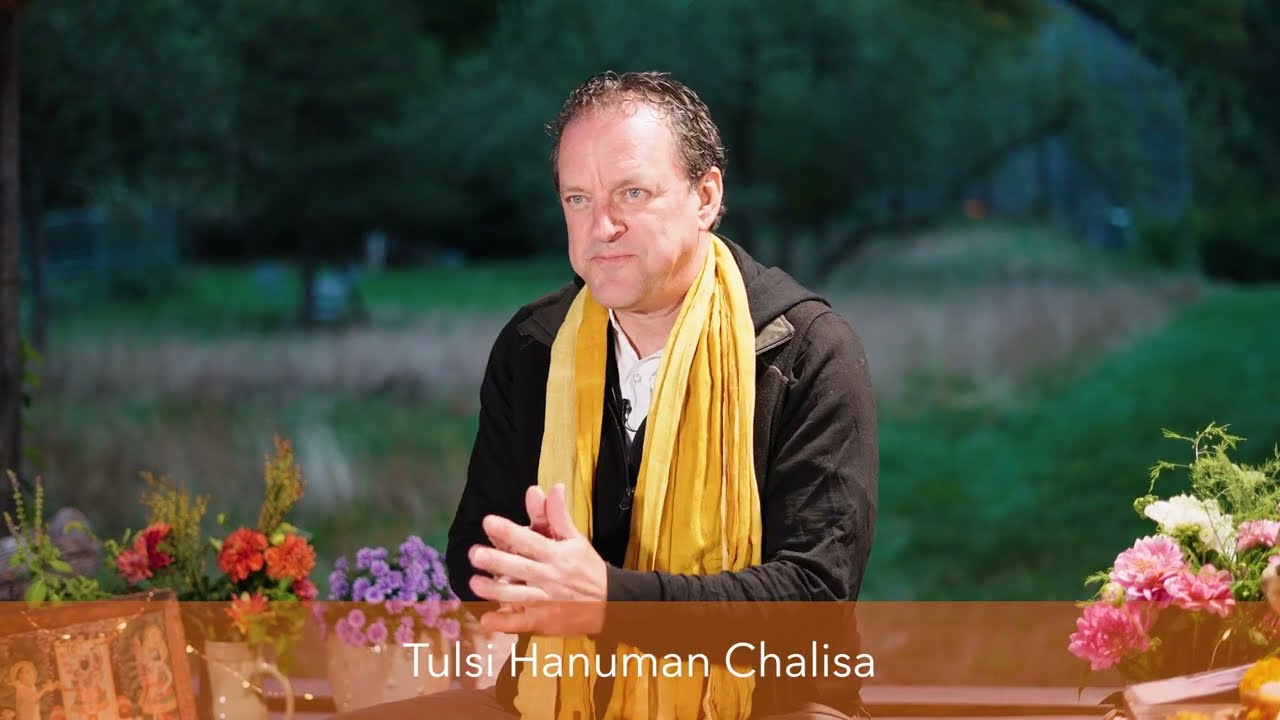
After a quarter-century anchoring the bass lines for other musicians, Adam Bauer stepped into a studio with a radically different intention: his own voice. In a 2014 video message introducing his debut kirtan album campaign, he articulates the unexpected journey that brought him there—and the philosophy of music-making that guided him forward. It's a story about patience, apprenticeship, and the moment when a musician finally recognizes they're ready to be heard.
For 25 years, Bauer had been a session bassist. It's a role that demands profound musicianship—the foundation of everything, heard but rarely centered, essential to the music yet invisible to most listeners. Yet somewhere in those decades of supporting other artists' visions, Bauer discovered something unexpected: his own passion for singing, his own musical voice waiting to be expressed.
"I've been playing bass for a lot of other singers for 25 years," he says in the video. "It's been a real journey of discovery finding my own voice." That statement contains two journeys at once: the external work of session playing, and the internal work of self-discovery. Many musicians spend their whole careers in one role or the other. Bauer did both, and only after a solid generation of supporting others did he feel ready to step forward.
The form he chose for his solo debut wasn't rock, jazz, or contemporary singer-songwriter material. It was kirtan—call-and-response devotional singing rooted in Indian spiritual tradition. For those unfamiliar with the form, kirtan is participatory sacred music, a practice where a leader sings lines of devotion and the group responds, creating a collective meditation through song. It's been central to bhakti (devotion-based) Hindu practice for centuries, and in recent decades has found audiences worldwide seeking authentic spiritual expression through music.
This wasn't a random choice for Bauer. "Playing kirtan and devotional chanting music for the last dozen or so years has been really a transformative experience for me," he explains. In other words, kirtan wasn't a musical detour—it was the destination he'd been moving toward all along, the form that finally felt true to what was bubbling inside him creatively.
To prepare for his album, Bauer spent months immersed in India, the birthplace and living center of the kirtan tradition. "I've been in India for the last few months writing material for this album," he explains. This wasn't tourism or research from a distance; it was apprenticeship in the truest sense. He immersed himself in the lineage, gathered material, and worked to develop original kirtan compositions that honored the form while carrying his own voice within it.
In India, he connected with Goravani, a producer who would help shape his album in the studio. The collaboration matters precisely because it signals what Bauer was not doing: he wasn't trying to record kirtan in isolation or transplant it wholesale into a Western context. He was working within the tradition, with someone rooted in it, to create something authentic and grounded.
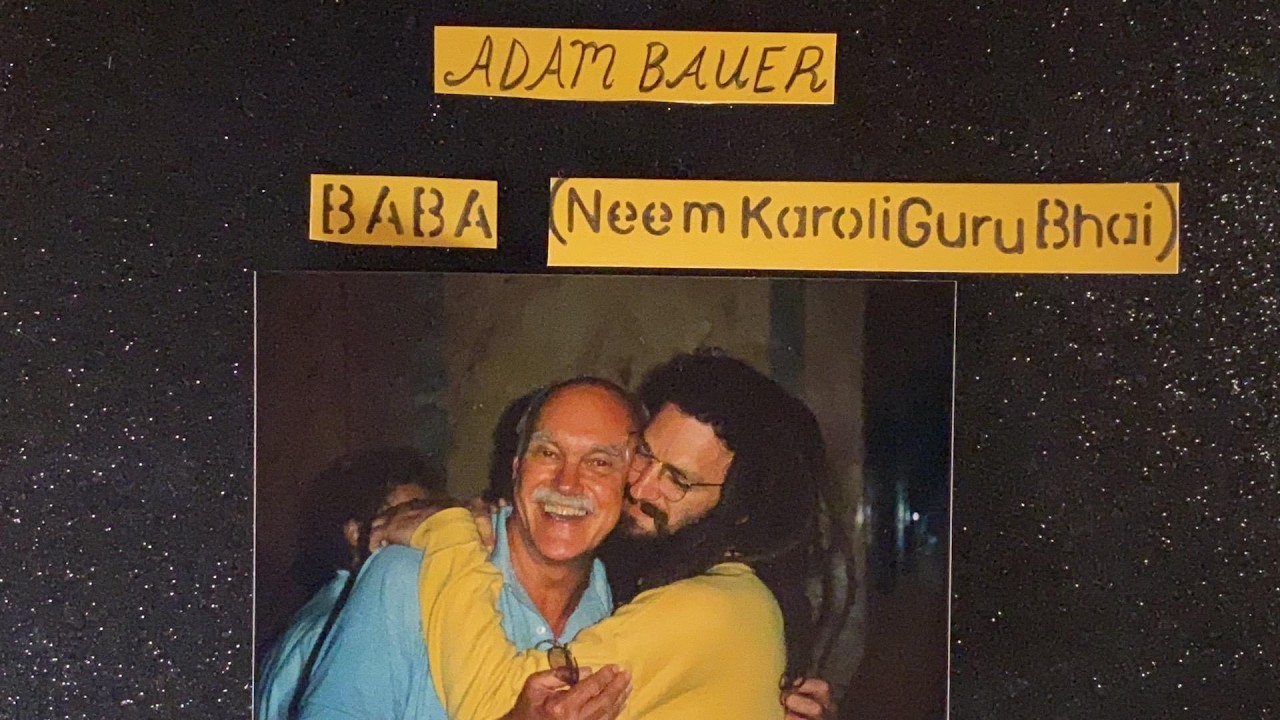
In the video, another voice breaks in—a spiritual teacher or guru, speaking with warmth and authority about Bauer's readiness. The testimony carries genuine weight: "He's so full of heart, so full of emotional honesty and beautiful musicianship. My dear Adam, really you are a very special soul. You catch my heart by yourself. I want you make cds."
This endorsement matters more than it might initially appear. It signals that Bauer isn't self-appointed but has been recognized and encouraged by someone established within the tradition itself. He has lineage, not just ambition. That distinction—between a musician who decides to record kirtan and one who has spent years in the practice, been affirmed by teachers, and found genuine spiritual roots—is not small. It speaks to credibility, to readiness, to having done the work.
There's a phrase Bauer uses that captures something essential about timing and readiness: "At this particular moment in time I feel like for some reason the stars are aligned and it's the right moment for me to take my own music and my own song to the next level." It's not overconfidence or wishful thinking. It's an acknowledgment that true readiness isn't manufactured through willpower—it's recognized when it arrives. After decades of preparation, practice, and apprenticeship in the tradition, the moment had come.
When Bauer launched an Indiegogo campaign to fund the album, he was clear and transparent about what the money would support: studio time, paying musicians and engineers, and supporting the people involved in the creation process. This detail reveals something fundamental about how he understands music-making itself.
"I'd like to pay the musicians and not once again ask everybody to play for free," he states plainly. It's a statement that pushes back against a pervasive norm in creative communities—the expectation that artists should donate their labor in the name of "exposure" or "the art." For Bauer, the philosophy is different: "One of the most sacred endeavors that I've ever been a part of has been making music with people I love." Sacred work deserves fair exchange. The people who help birth a creative vision should be compensated for their skill, their time, their contribution.
He extends this philosophy directly into the campaign structure itself. Rather than offering abstract merchandise or generic rewards, Bauer curated "premiums"—treasures collected during a decade of travels through India. These weren't afterthoughts or mass-produced goods. They were meaningful objects connected to the place and tradition the album emerges from, and their offering created what Bauer describes as "a circle of love" where "everybody gets to give and everybody gets to express and everybody also gets to receive."
Perhaps most revealing is how Bauer frames the entire endeavor, from funding to creation to reception. "In the end what are we doing right? We're just giving to each other and we're receiving from each other and we're keeping one big circle of love rocking between all of us." This isn't transactional language. It's relational and spiritual. It suggests that music-making, especially kirtan, isn't about individual fame or commercial success. It's about sustaining connection—between musician and listener, between artists collaborating, between a person's deepest self and the sacred.
That frame aligns perfectly with kirtan itself, which has never been about performance in the Western concert sense. It's always been about shared spiritual practice, collective voice, communal prayer set to melody. By embedding that philosophy into how he funds and compensates the album's creation, Bauer ensures that the circle extends beyond the finished recording into the very process of making it. Everyone involved—supporters, musicians, producers, engineers—becomes part of the sacred circle rather than separate players in a commercial transaction.
For listeners curious about kirtan as a living practice, Bauer's album represents an opportunity to hear the form through the ears of someone who has spent decades in musicianship and devoted years to the spiritual practice itself. For musicians navigating the sometimes-wrenching question of when and how to step from supporting others' visions into their own voice, Bauer's 25-year arc offers a quiet but powerful answer: there's no shame in the long path. The foundation you build matters. The voice you discover will be deeper, truer, more grounded for the time you spent listening, supporting, learning.
For those interested in how sacred music actually functions in the world—not as concert commodity but as collective spiritual practice—this campaign and album suggest a model worth considering: transparency about resources and costs, fair compensation for all contributors, spiritual grounding in authentic tradition, and a philosophy that sees everyone involved as part of one continuous circle of giving and receiving. That circle, Bauer suggests, is the truest measure of the work. Not the sales figures or the streaming numbers, but the quality of love and mutual respect sustained throughout the creative process. That's the real kirtan—not just the music, but the relationship it creates.