Why Is Joy a Necessary Quality of Enlightenment?
Many practitioners approach spiritual life as a serious affair—discipline, austerity, renunciation. Yet joy stands as a fundamental marker of genuine awakening, not a consolation prize after achievement. The spiritual path, when lived authentically, naturally generates joy because it aligns us with reality as it actually is: interconnected, precious, and alive. This is not naive optimism that ignores suffering; rather, it is the deep delight that comes from seeing through delusion and meeting life directly.
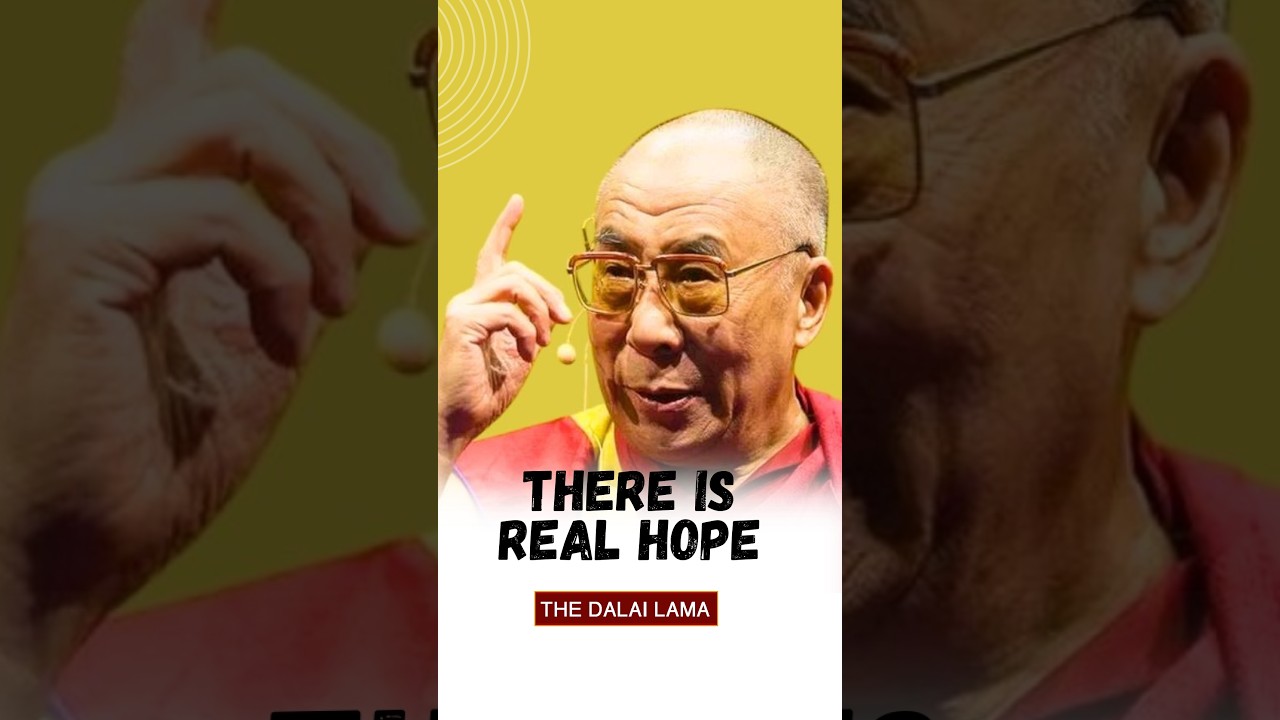
The Dalai Lama and Archbishop Desmond Tutu exemplify this union of joy and wisdom. Both have survived tremendous hardship—exile, oppression, loss—yet they radiate playfulness, humor, and genuine mirth. This is not denial. Their joy emerges from spiritual maturity: the capacity to hold suffering without being consumed by it, to see the humanity in adversaries, and to recognize that celebration itself is an act of resistance against despair. Their laughter signals a mind liberated from the tyranny of circumstance.
How Can We Live Joyfully in Times of Chaos and Suffering?
The question assumes a false binary: either we feel joy or we acknowledge reality's pain. In fact, these can coexist. Suffering is real, and so is the capacity for delight. The path begins with understanding the Four Noble Truths not as a story that ends in gloom, but as a map. Suffering is not the final word; it is the beginning. Once we recognize suffering clearly, we can investigate its roots, understand it, and move toward freedom.
This requires what might be called "risking delight"—the willingness to feel joy despite circumstances that could justify despair. It takes courage because joy can feel like betrayal when others are struggling, or like recklessness when injustice prevails. Yet refusing joy also serves no one. A parent who abandons hope cannot inspire children. An activist who burns out in bitterness cannot sustain movements for change. Joy, sustained and genuine, is renewable fuel.
Thich Nhat Hanh taught the practice of smiling as a gateway to this embodied joy. A smile is not forced cheerfulness; it is a physiological and psychological reset. It signals to the nervous system that we are safe enough to soften. It shifts attention from rumination about the past or anxiety about the future toward the present moment, where life is actually occurring. In this present, even in difficulty, there is often something to appreciate: breath, connection, the felt sense of being alive.
What Does It Mean to Serve Others Through Joy?
Joy is a true service to the world because it is contagious and because it creates conditions for transformation. When we bring joy, beauty, and humor to our activism, protest, and standing for what matters, we do not diminish the seriousness of our cause. We enliven it. We show that fighting for justice is not only about grim determination; it is also about envisioning and embodying the world we want to create.
Wavy Gravy—the activist, clown, and spiritual practitioner—understood this viscerally. His combination of humor, generosity, and unshakeable commitment to the oppressed demonstrated that joy and radical action are not opposites. His presence uplifted others not through denial of suffering, but through the refusal to let suffering have the last word. He became what might be called a "make-weight of joy"—someone whose presence tips the scales, even slightly, toward hope.
This service operates on multiple levels. Directly, it lifts the spirits of those around us. More subtly, it signals that transformation is possible. A person radiating genuine joy despite difficulty says to others: "I have looked at darkness and found reasons to love life anyway. You can too." This is a profound gift, especially to those who have internalized hopelessness.
How Do We Bring Joy to Activism and Standing for Justice?
There is a false narrative that moral seriousness requires joylessness, that to care deeply about injustice one must suffer perpetually. This narrative serves oppressive systems by exhausting their opponents. In contrast, rooted activism brings compassion, sacrifice, courage, and kindness—but also playfulness and delight in community, strategy, and victory.
When we protest with joy, we assert that life is worth fighting for not because we have eliminated all wrong, but because the struggle itself—the gathering of others, the clarity of purpose, the courage of standing together—is a participation in something sacred. We sing, we create art, we tell jokes. These are not distractions from the work; they are part of the work. They sustain us and they inspire others.
Bringing humor and beauty to activism also communicates something crucial to those in power: we are not desperate, we are not afraid in ways that make us controllable, and we are not willing to sacrifice our humanity to fight for theirs. This kind of joyful resistance is far more threatening to unjust systems than grim hatred, which can be mirrored and amplified.
What Is the Spiritual Practice of "Risking Delight"?
To risk delight means to allow ourselves to feel joy despite uncertainty, despite past trauma, despite ongoing injustice. It is an act of faith—not faith in a supernatural being, but faith in life's capacity to offer moments of grace. It is also an act of rebellion against any force—internal or external—that insists we must remain diminished.
This practice connects to meditative experience. Deep meditation can open states of rapturous bliss, moments in which the boundaries between self and world dissolve and what remains is radiant joy. These glimpses are not escapes; they are tastes of what is available when the mind releases its habitual contractions. Over time, we learn that we do not need to wait for meditation cushions or perfect circumstances. Joy can be cultivated as a stance toward life itself.
The realized teachers—Ajahn Chah, Maha Ghosananda, the Dalai Lama—demonstrate that authentic awakening is joyful. Their presence is radiant, playful, and alive. This is not a mask; it is what emerges when the heart is free. Their joy is not escapist because it coexists with compassion for suffering and commitment to service. It is possible to see clearly what is wrong and to still delight in what is right.
How Can We Bless and Heal Others With Our Joy?
When we show up with genuine warmth, laughter, and tenderness, we offer others a gift they may urgently need: permission to feel hope. In a world saturated with doom narratives, grief, and trauma, a person who is visibly intact, present, and even occasionally joyful becomes a kind of healer. We do not heal by collapsing into others' pain, though we must acknowledge it. We heal by demonstrating that it is possible to walk through difficulty without being destroyed by it.
This is where integrity, generosity, gratitude, and tenderness converge. Integrity means we are not faking joy; we have actually done the work to unwind our own reactive patterns. Generosity means we share this joy freely, not as a gift we hoard. Gratitude opens us to see what is genuinely worthy of appreciation, even in hard circumstances—a cup of tea, a friend's laugh, the way light moves through leaves. Tenderness acknowledges others' pain while refusing to be paralyzed by it.
Father Gregory Boyle, who works with formerly incarcerated and gang-involved young people, embodies this healing power. He does not minimize the suffering his community has endured; he sees it and honors it. Yet he also insists on the possibility of transformation and renewal. His joy—in his students' growth, in community meals, in the simple fact of showing up day after day—communicates what no sermon could: that you are worth investing in, that your life can change, that there is a place for you.
What Does It Mean to Step Out of the Battle and Embrace Life?
One of the deepest teachings is the possibility of stepping out of the battle. This does not mean abandoning responsibility or justice work. It means releasing the internal war—the constant narrative that we must fight our own emotions, thoughts, or bodies to be acceptable. It means moving from a stance of resistance to a stance of engagement.
This shift can happen through attunement to nature, relationships, and the mystery. When we sit by water or under trees, the relentless doing-mode of the mind quiets. When we are truly present with another person, defenses drop. When we acknowledge what we cannot control—the seasons, other people's choices, the vastness of existence—we begin to relax into what we actually have: this moment, this breath, this capacity to love.
Living in joy, love, health, and peace even amidst hate, affliction, and troubles becomes possible when we stop demanding that the external world be different before we allow ourselves to be happy. This is not passivity; it is a kind of surrender that paradoxically increases our effectiveness. When we are not contracted in fear or bitterness, we can see more clearly and act more skillfully.
Where to Go From Here
Begin with small risking-of-delight experiments. Notice one moment per day where you could smile—at the texture of food, a stranger's kindness, the sound of rain. Notice what happens in your body and mind. Bring this quality of attention to your activism, your relationships, and your struggles. Cultivate unshakeable integrity by doing what you believe is right, generosity by sharing what you have learned, and gratitude by noticing what is actually working.
Sit in meditation long enough to touch states of genuine joy. Not as an escape, but as a reminder of what is available. Then carry that remembering into daily life. Ask yourself: How am I tipping the scales? Am I adding more fear, more contraction, more hate—or am I becoming a make-weight of joy? Finally, seek out those who radiate genuine joy amid difficulty. Let their presence be contagious. Let it teach you what is possible.