SportsCampFinder

Alle Camps durchsuchen

Find the perfect camp for your athlete

camps

Basketball Camps
Soccer Camps
Baseball Camps
Football Camps
Volleyball Camps
Lacrosse Camps
Multi-Sport Camps
Elite Training
Overnight Camps
Day Camps
Beliebte Reiseziele
BaliSedonaLos AngelesCosta RicaNew YorkSan FranciscoAustinMiamiJoshua TreeTulum
Alle Kategorien anzeigenAlle Reiseziele anzeigen

Alle Funktionen entdecken

Leistungsstarke Tools für Ihre Veranstaltungen

Plattform-Funktionen

Intelligente dynamische Preisgestaltung
Ticket-Kategorien
Sitzplatzreservierung
Warenkorbabbruch-Wiederherstellung
Besucher-Wiedergewinnung
Spenden & Staffelpreise
Affiliate-System
Ticket-Scanner
Rabattcodes
Individuelle Fragen
Ticket-Teilen
Upsells & Extras
Analysen & Berichte
E-Mail-Sequenzen
Warteliste / Benachrichtigen / Erinnern
Menschen & Orte
Camp OrganizersCamp FacilitiesKnowledge BaseInspiration
Alle Funktionen anzeigenÜber uns
PreiseBlog
Language
Saved events
Alle Veranstaltungen durchsuchen

camps

Basketball CampsSoccer CampsBaseball CampsFootball CampsVolleyball CampsLacrosse CampsMulti-Sport CampsElite Training

Beliebte Reiseziele

BaliSedonaLos AngelesCosta RicaNew YorkSan Francisco

Menschen & Orte

Camp OrganizersCamp FacilitiesKnowledge BaseInspiration

Plattform-Funktionen

Intelligente dynamische PreisgestaltungTicket-KategorienSitzplatzreservierungWarenkorbabbruch-WiederherstellungBesucher-WiedergewinnungSpenden & StaffelpreiseAffiliate-SystemTicket-ScannerRabattcodesIndividuelle FragenTicket-TeilenUpsells & ExtrasAnalysen & BerichteE-Mail-SequenzenWarteliste / Benachrichtigen / Erinnern
Alle Funktionen anzeigenÜber uns
PreiseBlog
AnmeldenParents & athletesCamp directors
  • Browse all camps
  • Basketball Camps
  • Soccer Camps
  • Baseball Camps
  • Football Camps
  • Volleyball Camps
  • Lacrosse Camps
  • Multi-Sport Camps
  • Elite Training
  • All sports →
  • Orlando
  • Los Angeles
  • New York Metro
  • Dallas / Fort Worth
  • Chicago
  • Phoenix / Scottsdale
  • Atlanta
  • Denver
  • Seattle
  • Boston
  • Houston
  • Philadelphia
  • San Diego
  • Minneapolis / St. Paul
  • Alle Städte →
  • List your camp
  • Camp director dashboard
  • Pricing
  • Coaches & academies
  • Online registration & payments
  • Waivers & medical forms
  • Check-in app
  • Family messaging
  • Waitlist & notify
  • Camp marketing
  • Reports
  • All features →
  • About SportsCampFinder
  • Camp guides
  • Help Center
  • Contact
  • Careers
  • Press
  • Nutzungsbedingungen
  • Datenschutzrichtlinie

Camps

  • Browse all camps
  • Basketball Camps
  • Soccer Camps
  • Baseball Camps
  • Football Camps
  • Volleyball Camps
  • Lacrosse Camps
  • Multi-Sport Camps
  • Elite Training
  • All sports →

Reiseziele

  • Orlando
  • Los Angeles
  • New York Metro
  • Dallas / Fort Worth
  • Chicago
  • Phoenix / Scottsdale
  • Atlanta
  • Denver
  • Seattle
  • Boston
  • Houston
  • Philadelphia
  • San Diego
  • Minneapolis / St. Paul
  • Alle Städte →

Für Camp directors

  • List your camp
  • Camp director dashboard
  • Pricing
  • Coaches & academies

Funktionen

  • Online registration & payments
  • Waivers & medical forms
  • Check-in app
  • Family messaging
  • Waitlist & notify
  • Camp marketing
  • Reports
  • All features →

Unternehmen

  • About SportsCampFinder
  • Camp guides
  • Help Center
  • Contact
  • Careers
  • Press
  • Nutzungsbedingungen
  • Datenschutzrichtlinie
SportsCampFinder
© 2026 SportsCampFinder. Alle Rechte vorbehalten.
Back to Sri Karunamayi
The Music of Sri Karunamayi: Sound, Sacred Texture, and Lineage
Music

The Music of Sri Karunamayi: Sound, Sacred Texture, and Lineage

Sri Karunamayi's music exists in the liminal space between temple ritual and intimate prayer. Her recordings are sparse, unhurried affairs—often just her voice, a harmonium's wheeze, and the metallic shimmer of small cymbals keeping cyclical time.

Sri Karunamayi
Sri Karunamayi
Jun 18, 2026
3 Min. Lesezeit
Lesen · 5 Abschnitte

The Music of Sri Karunamayi: Sound, Sacred Texture, and Lineage

Sri Karunamayi's music exists in the liminal space between temple ritual and intimate prayer. Her recordings are sparse, unhurried affairs—often just her voice, a harmonium's wheeze, and the metallic shimmer of small cymbals keeping cyclical time. There's no production sheen, no studio polish attempting to modernize what is fundamentally ancient. The sound is raw in the way that unvarnished wood is raw: you can feel the grain.

Her voice itself carries a particular quality that listeners either immediately recognize or find bewildering. It's not trained in the classical Carnatic sense—there are no elaborate gamakas or virtuosic runs. Instead, it's direct, unadorned, almost conversational in its intimacy. When she sings mantras to Devi or Krishna, her vocal tone has the weathered warmth of someone who has chanted these syllables tens of thousands of times, until the words have worn grooves into her throat. The tempo is deliberately slow, sometimes maddeningly so for Western ears accustomed to kirtan's building energy. A single "Om Namah Shivaya" might stretch across two full minutes, each syllable given room to resonate and dissolve.

Lineage and Tradition

Karunamayi works squarely within the South Indian bhakti tradition, specifically drawing from the bhajan and keertana practices of Andhra Pradesh. This isn't the ecstatic Bengali kirtan of Chaitanya Mahaprabhu's lineage, nor the qawwali-influenced styles emerging from North India. Instead, it's rooted in the more contemplative Telugu devotional traditions, where the goddess Devi—in her multiple manifestations—occupies central importance alongside Vishnu and Shiva.

Her musical approach reflects the domestic temple practices of rural South India more than concert hall performances. These are songs meant for pradakshina (circumambulation), for dawn pujas, for the quiet moments before sleep. The repetition isn't aimed at ecstatic release but at a kind of sonic saturation, where the mantra becomes ambient texture rather than focal point. She often incorporates Lalita Sahasranama verses and Sri Vidya mantric traditions, placing her within a specifically Shakta (goddess-oriented) stream of Hindu devotional practice.

Signature Contribution

What distinguishes Karunamayi's musical output from the thousands of other devotional singers in India is its radical unselfconsciousness. While many contemporary kirtan artists—even traditional ones—perform with an awareness of audience, her recordings feel like you've accidentally been given access to someone's private spiritual practice. There's no performance energy, no call-and-response dynamics meant to energize a crowd. The music doesn't rise or fall dramatically; it simply continues, like breath.

This creates an almost meditative monotony that serves a specific function: these recordings work best as ambient sacred sound, something to play during your own practice rather than to sit and actively listen to. The harmonic complexity is minimal—often just a drone and one or two chord changes. This isn't a limitation but an aesthetic choice aligned with mantra's traditional function: sound as a vehicle for consciousness rather than an object of aesthetic appreciation.

The Listening Experience

First-time listeners expecting the participatory energy of Krishna Das or the production values of Deva Premal will likely find themselves disoriented. There are no crescendos, no carefully orchestrated builds, no bass drops or world-music fusion elements. The recordings often have the sonic quality of being captured in modest rooms with basic equipment—you can hear fabric rustling, throats clearing, the ambient sound of a space where people have gathered.

What may surprise is how this plainness, given time, begins to work on you. The absence of musical sophistication becomes a feature rather than a bug. After twenty minutes of a single chant cycling endlessly, the Western mind's demand for development and variation starts to quiet. The music doesn't go anywhere because it was never trying to. It simply is, and in that sustained being, something shifts in the listener's relationship to time and attention.

Wider Landscape

In the conscious-music world, Karunamayi occupies the traditionalist pole. While artists like Jai Uttal blend kirtan with jazz and reggae, and MC Yogi fuses hip-hop with Sanskrit mantras, Karunamayi makes no concessions to Western musical sensibilities. She's closer in spirit to field recordings of Indian village devotional music than to the kirtan-concert circuit.

This places her work in conversation with other uncompromising traditionalists—the raw Vedic chanting of Brahmins at Varanasi ghats, or the all-night bhajan sessions of Vrindavan widows. For listeners seeking authenticity over accessibility, her music offers an immersion into how these practices actually sound in their indigenous context, unfiltered and unmediated by the cross-cultural translation that most "sacred music" undergoes en route to Western ears.
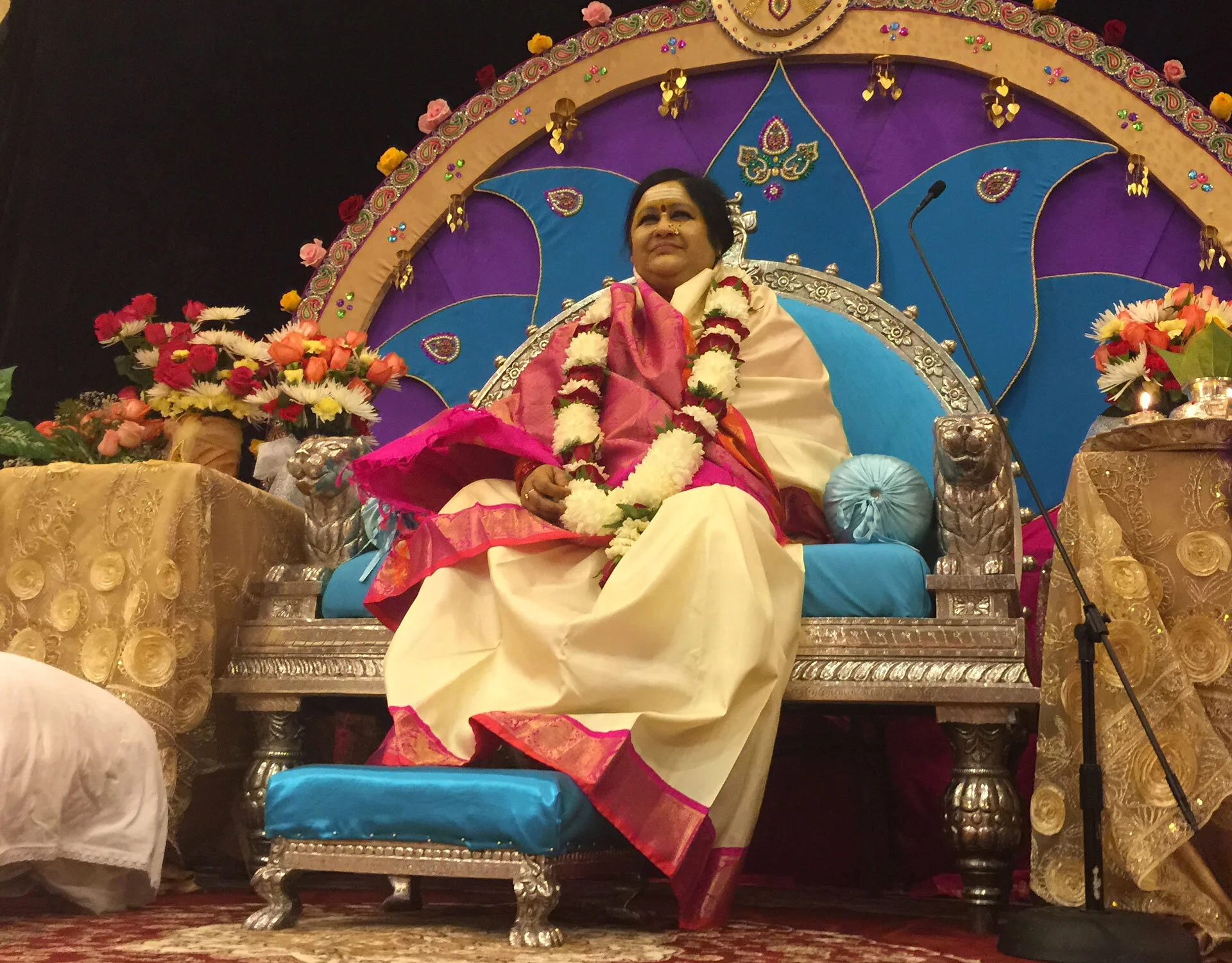
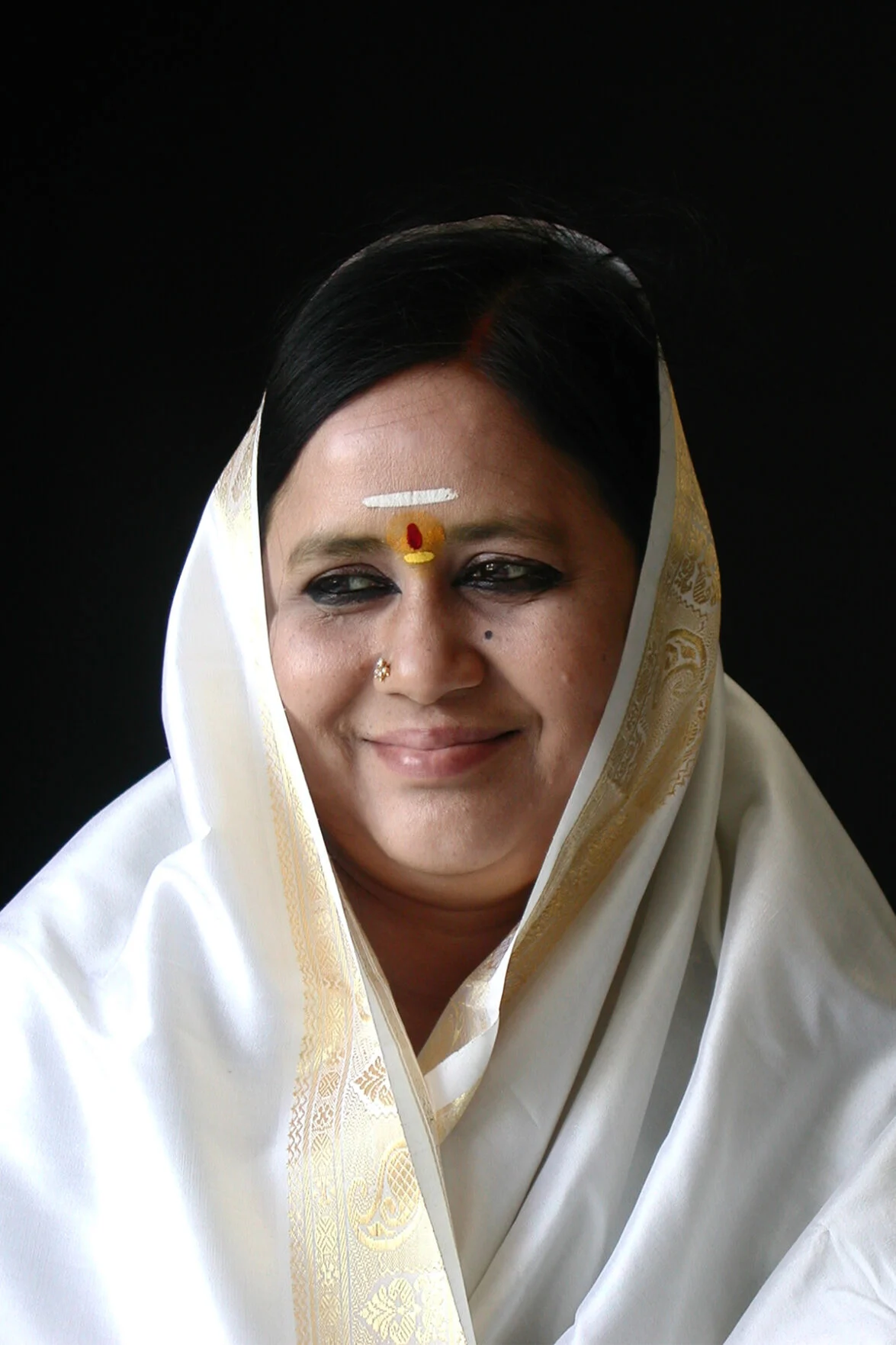
Sri Karunamayi
AboutSri Karunamayi

Spiritual teacher born in 1968 in Andhra Pradesh who embodies love and compassion, conducting retreats and sharing devotional music to foster spiritual awakening and unity across t…

Profil ansehenWebsite

Weiterlesen

More about Sri Karunamayi

Alle anzeigen
Who Is Sri Karunamayi? Life, Work, and Legacy
Artikel

Who Is Sri Karunamayi? Life, Work, and Legacy

Essential Sri Karunamayi Albums: A Listening Guide
Artikel

Essential Sri Karunamayi Albums: A Listening Guide

Durge Durge Maa by Sri Karunamayi: A Listening Guide
Artikel

Durge Durge Maa by Sri Karunamayi: A Listening Guide

Sri Lakshmi Mantra by Sri Karunamayi: A Listening Guide
Artikel

Sri Lakshmi Mantra by Sri Karunamayi: A Listening Guide

Weiter erkunden

Setze deinen Weg fort

Mehr Weisheit und Zusammenkünfte aus dem BrightStar-Verzeichnis.

Mehr Artikel

Durchstöbere die ganze Bibliothek an Lehren, Interviews und Leitfäden.

Zu allen Artikeln →

Lehrer & Künstler

Entdecke die Linien, Musiker und Wegbegleiter der bewussten Welt.

Künstler erkunden →

Event finden

Kirtan, Retreats, Klangbäder, Atemarbeit, Festivals — bald in deiner Nähe.

Events ansehen →