

Girish's catalog, as documented, stretches from a 1977 release called Kinara to The Story of Sita and Ram in 2025. The thread that most clearly holds it together is kirtan: call-and-response chanting, with voice, harmonium and tabla at the center. The listings are uneven. There is a long gap after Kinara, a cluster of early-2000s releases, then a steadier run from 2009 onward. Remixes, singles and compilations sit beside the albums. This guide goes in the order given, newest first. Some entries come with little more than a title and a year, and I say so rather than guess.
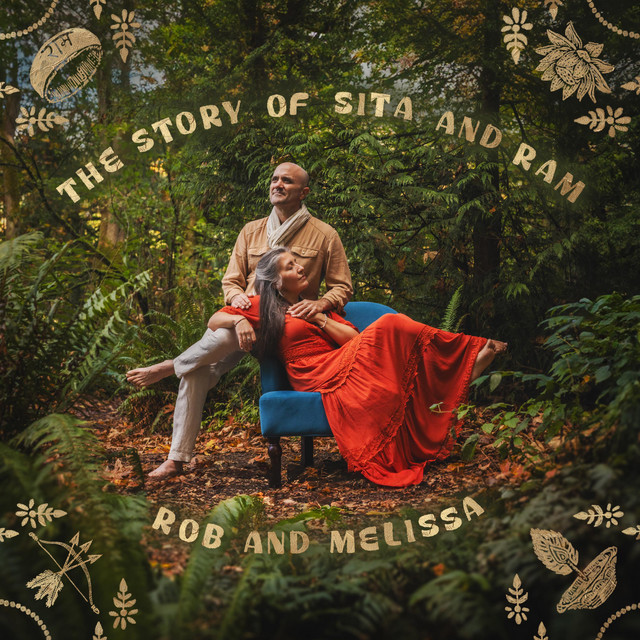
2025. The newest album in the catalog takes its title from a narrative of devotion, so expect a storytelling spirit alongside the chanting. It is the present end of a long arc, and it suits a listener ready for a devotional journey rather than a single mantra on repeat. Start with the opening track and let the story unfold in order.
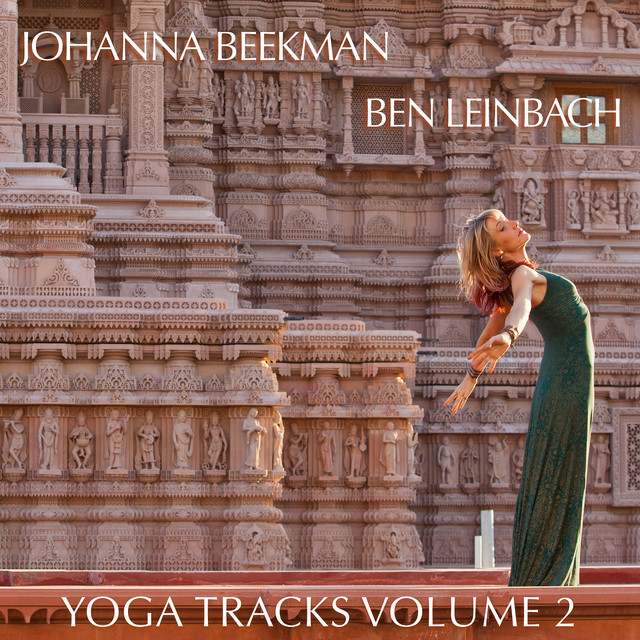
2023. The "Vol. 2" signals a sequel built for practice, music to move and breathe with. That fits the bio, which describes him playing live alongside yoga classes. Here the catalog turns toward the mat. Begin at track one and keep it playing through a home practice.

2023, single. A reimagined mix of a mantra whose title names sun and moon. It shows him revisiting existing material with a fresh arrangement, a habit also visible in his remix releases. It is short and focused. Press play on the mix itself.

2022, single. The title alone suggests a sharper edge than the devotional work around it. I have no further details, so treat it as a curiosity in the 2022 run. Start with the title track, the only one here.
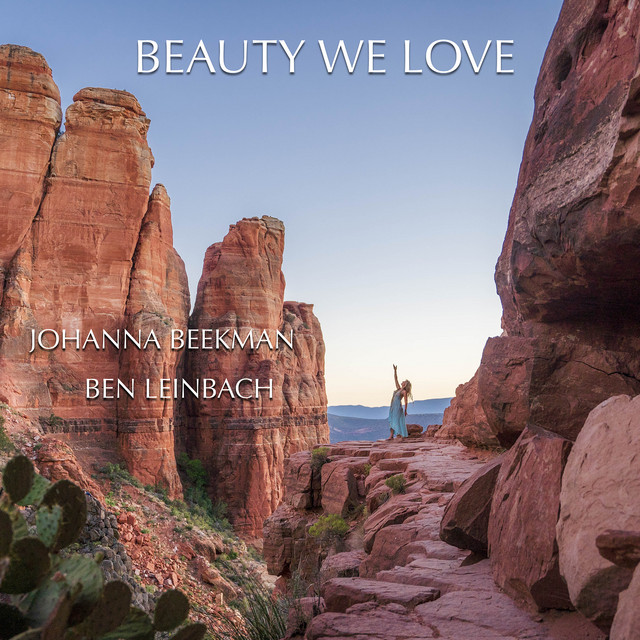
2022, single. The title leans toward gratitude and appreciation, in keeping with the "joy" at the heart of his stated approach. It sits beside Street Fighter in the same year, showing a varied period. Start with the title track.

2021, single. The title is in a language and style that sits apart from the Sanskrit kirtan at the core of his work. Details are sparse. Treat it as a side path in the catalog and begin with the single track.
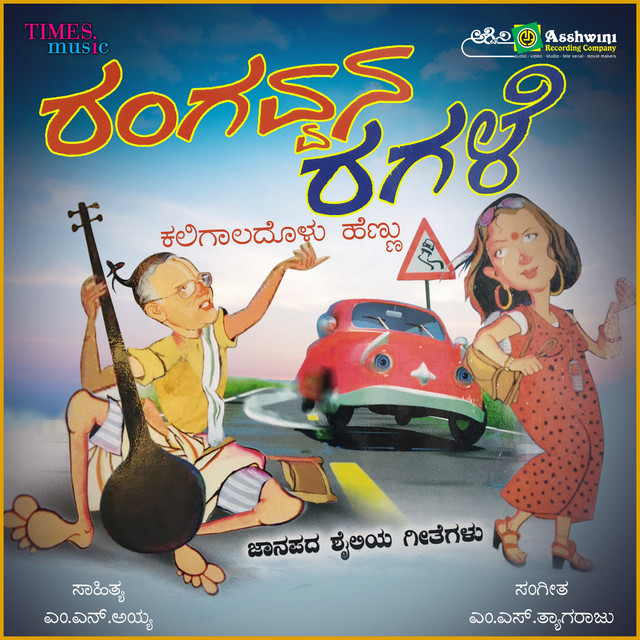
2020, compilation. A compilation with a Kannada-language title, again apart from the kirtan releases. I know little beyond its listing. Approach it as an exploratory detour and start with the first track.

2020, single. "Sangha" means community, which matches his emphasis on the Sacred Choir and the group's response. The "Health & Healing" subtitle points toward the sound-healing side of his work. A fitting place for anyone who wants chant as restoration. Start with the single track.

2020, single. The title is warm and nocturnal, an evening-minded release in a busy 2020. Details are thin, so take it as a quiet single. Start with the title track.

2020. An expanded edition of remixes and extras, which suggests an earlier Here in Heaven that is not itself in this listing. It offers alternate looks at familiar ground, so it suits listeners who like to hear songs recast. Begin with the first remix.
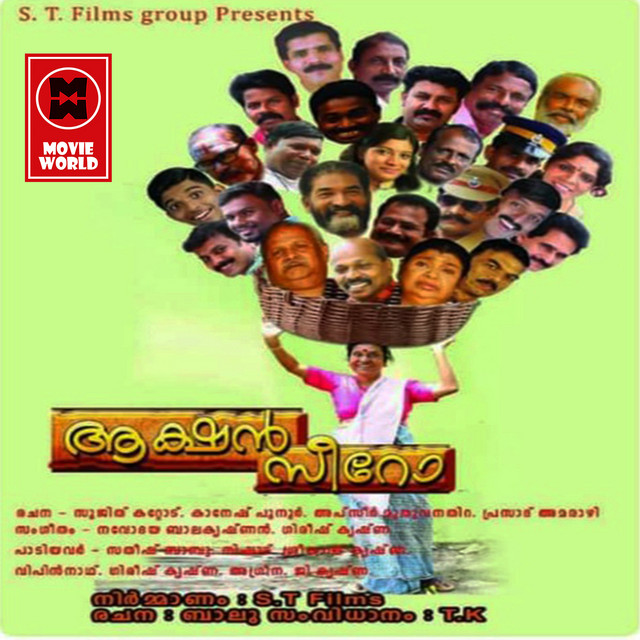
2019, single. A punchy title with little documented detail. It sits next to Invincible in the same year, which hints at a more forceful mood. Start with the title track.

2019. The album title promises strength and resolve. It is the most assertive-sounding title among the full albums of his recent years, a natural pick when you want chant to lift you. Start with the opening track.
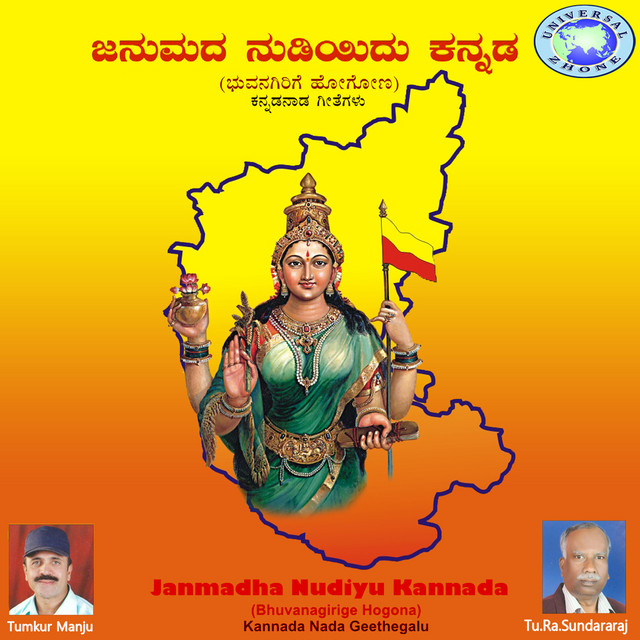
2017, compilation. Another Kannada-titled compilation, listed with no further detail. It belongs to the catalog's non-kirtan strand. Start with the first track.
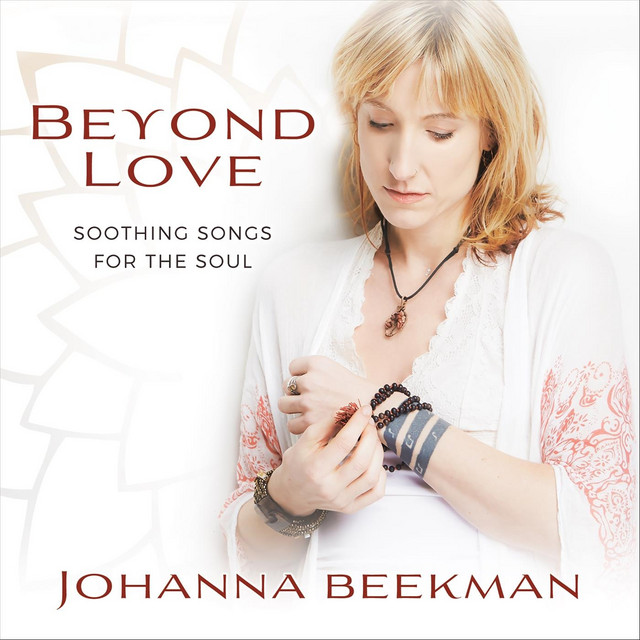
2017. The subtitle states its purpose plainly: soothing songs. It leans toward comfort and release, a good evening album and a gentle entry into his devotional side. Start with track one and let it settle you.
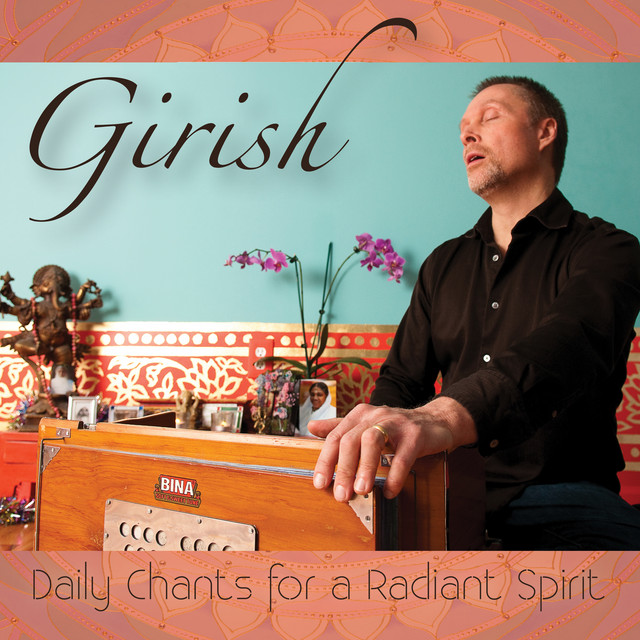
2016. The title suggests a practical companion, chants for repeated use rather than a single sitting. For a newcomer it may be the clearest on-ramp to chanting as a daily habit. Start with the first chant.

2016. The title echoes his community-centered philosophy, in which the group's response is the heartbeat of the practice. One of three albums in 2016, it marks a productive stretch. Start with the opening track.

2016. A pulse-minded title that pairs naturally with the rhythm work in his sound, with tabla keeping the cycle. It is the third 2016 album and shares that year's themes of unity and the heart. Start with the first track.
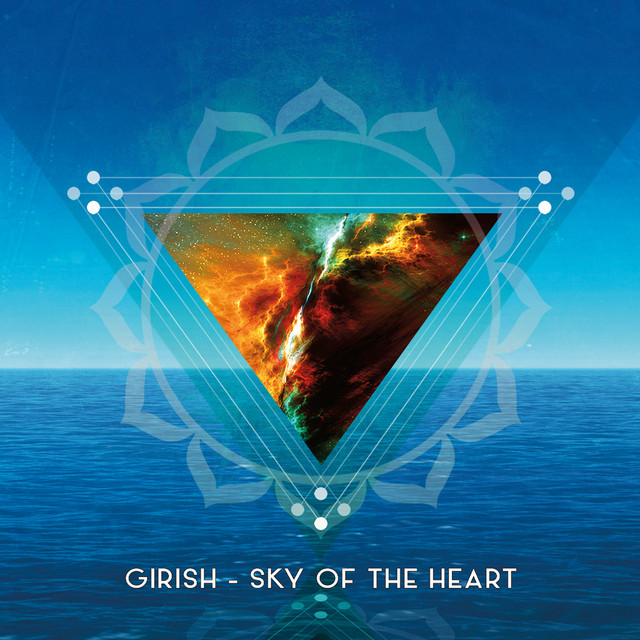
2014. The title pairs openness with interior feeling, so expect spaciousness. It sits at a midpoint in the arc, between the early albums and the 2016 run. Start with the opening track.
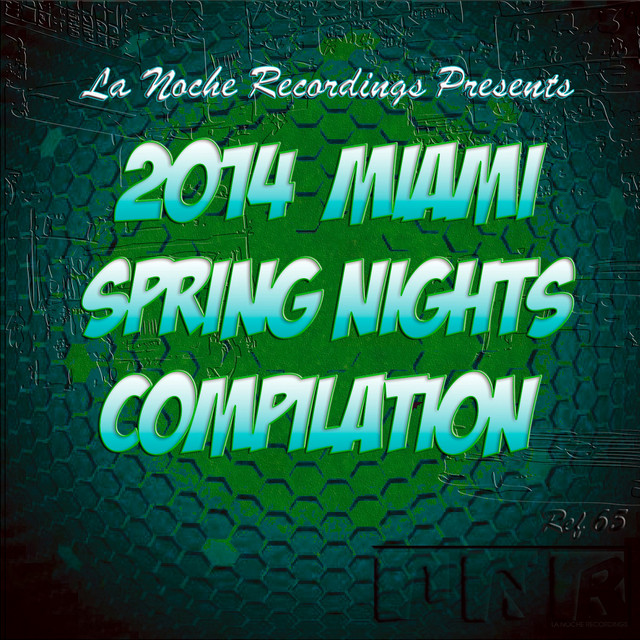
2014, compilation. A seasonal, place-tied collection, by its title. I have no track details, so treat it as a snapshot of one spring. Start with the first track.
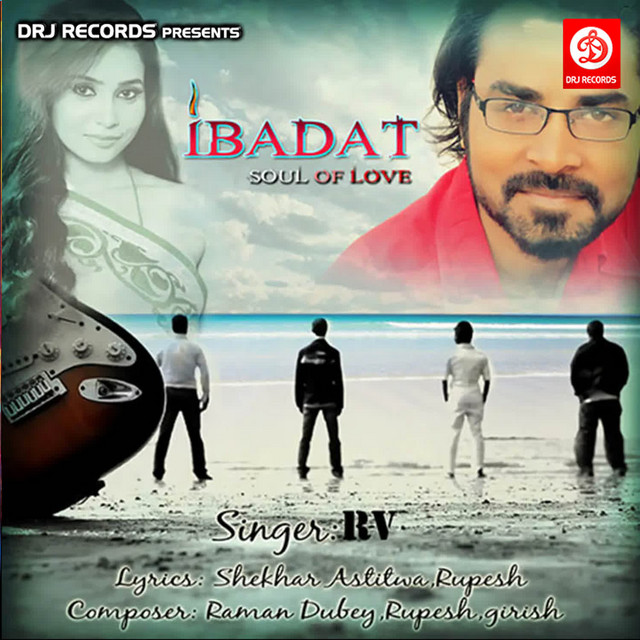
2013. Ibadat means worship, and the subtitle names love as its soul. That makes this one of the more explicitly devotional titles of the early 2010s. Start with the opening track.

2013. Breath is central to his retreats, which are built around chant, rhythm, breath and shared singing. This title makes that focus explicit, and it is a meditative album for slowing down. Start with the first track.
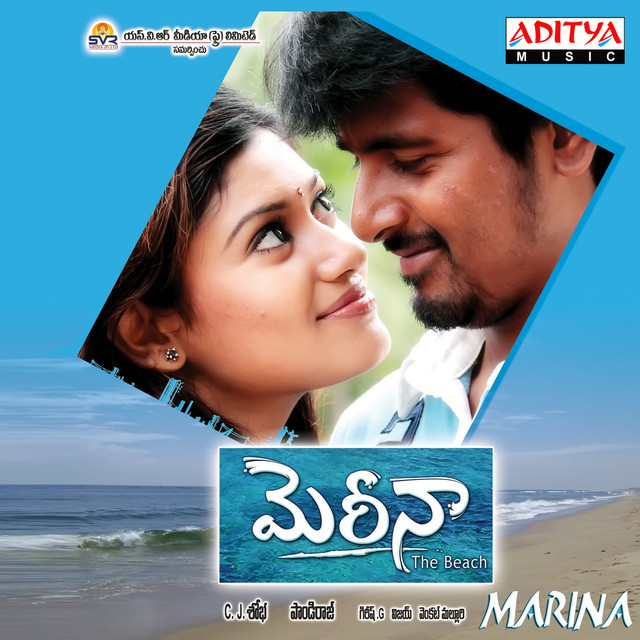
2012, single. A single named for a person or a place by the sea, with no more detail documented. It stands alone between the 2011 and 2013 releases. Start with the title track.
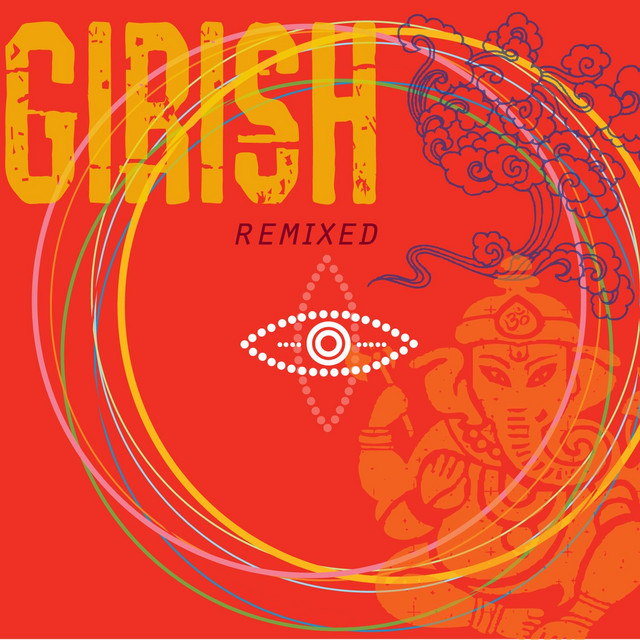
2011. A remix album and an early sign of a habit that recurs later with Here in Heaven and the Ra Ma Da Sa mix. It shows him reshaping material for a more modern pulse. Start with the first track.
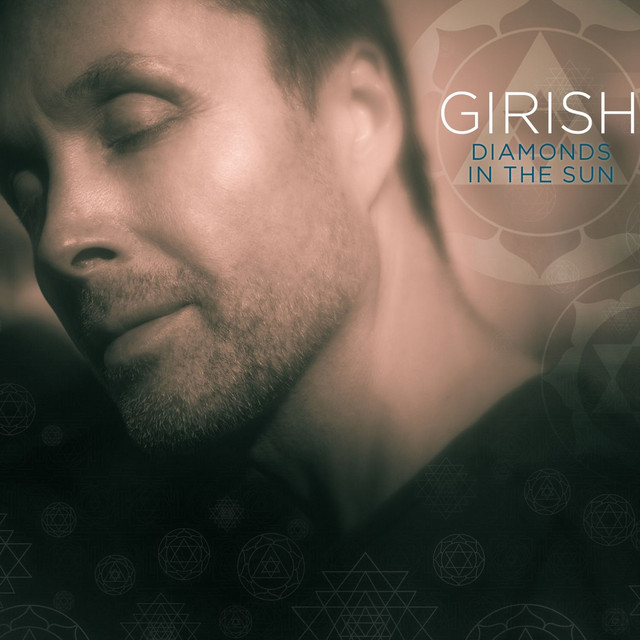
2010. A bright, luminous title, with his name attached in the listing. It follows Beloved and begins the stretch that leads to the kirtan-focused work of the mid-2010s. Start with the opening track.
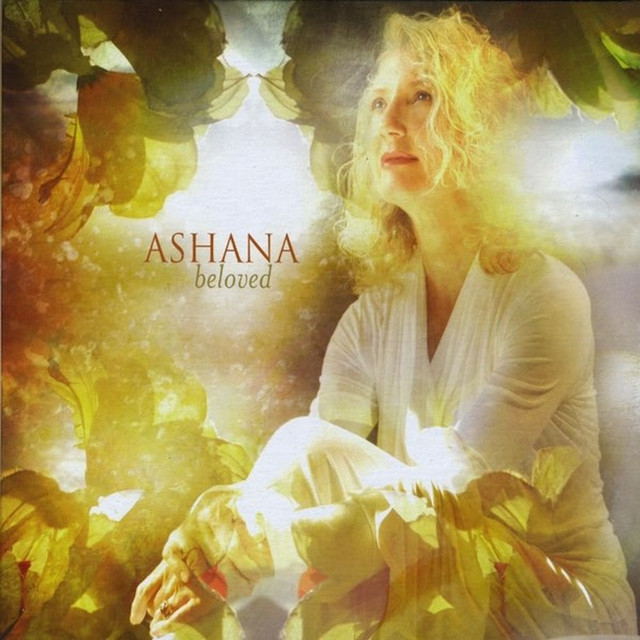
2009. The title is the language of devotion, addressing the divine as a loved one. It opens the steadier run of releases from 2009 on. A good place to hear the early devotional voice. Start with the first track.
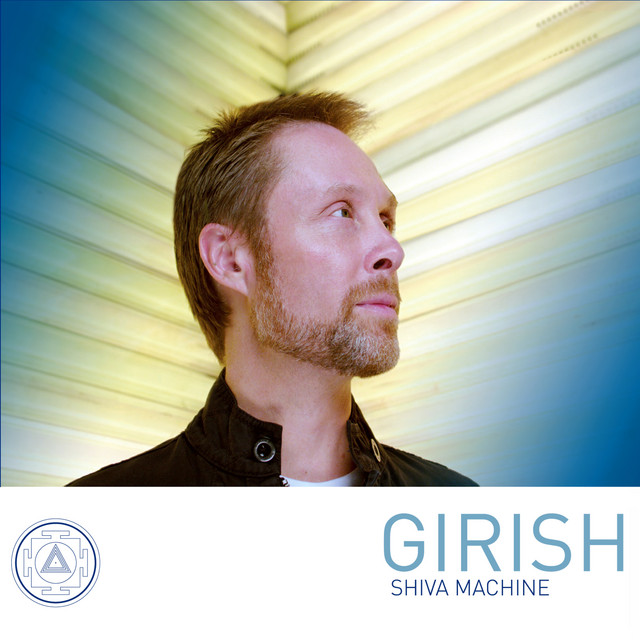
2005. A title that joins a deity's name with a mechanical image, suggesting an experimental, rhythm-forward leaning. It is a striking outlier among the early albums. Start with the opening track.

2004. A one-word title about unveiling. It sits between the early-2000s releases and Shiva Machine, and it works as a threshold record. Start with the first track.
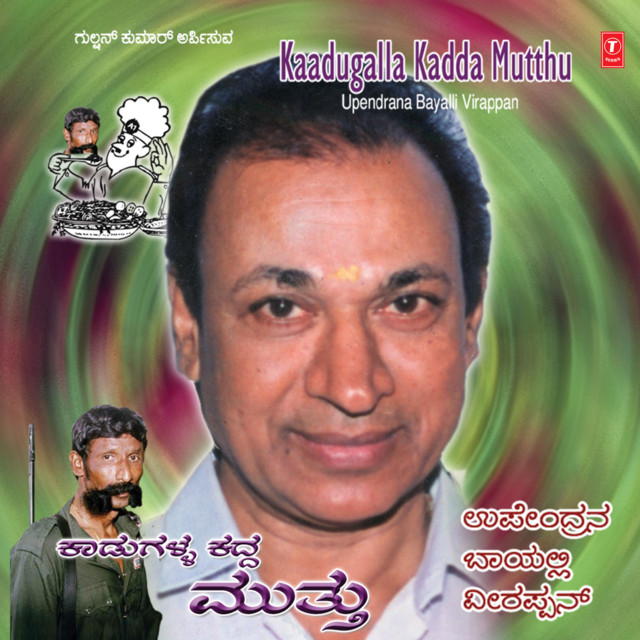
2003, compilation. A Kannada-titled compilation, with no more detail available. It belongs with the other non-kirtan listings. Start with the first track.
2002. An early album with a Sanskrit-flavored title, roughly "crown of life." Details are scarce. It belongs to the beginning of the 2000s run. Start with the opening track.
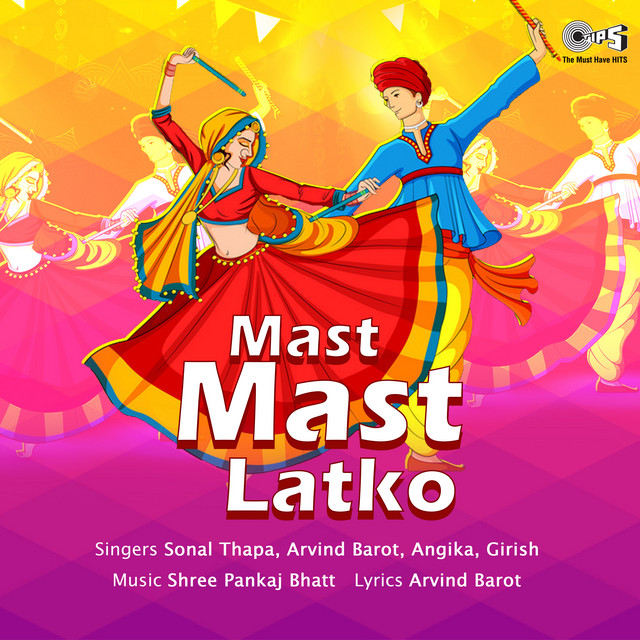
2000. A playful, Hindi-flavored title, and one of the earliest releases in the catalog. I have no further information, so treat it as a curiosity. Start with the first track.

1977. The earliest release in the listing, with a long gap before the next. It is documented in little detail, and it anchors the start of the arc rather than the kirtan work. Start with the opening track.
- Devotional: The Story of Sita and Ram. Its narrative title and recent date make it the fullest devotional statement.
- Contemplative: The Song of Breath. It centers the breath that his retreats are built on.
- Energetic: Invincible. The title promises strength, and it is the best fit when you want chant to lift you.
- Healing: Mantra Sangha: Health & Healing. It names its purpose and echoes his work in sound healing and community.