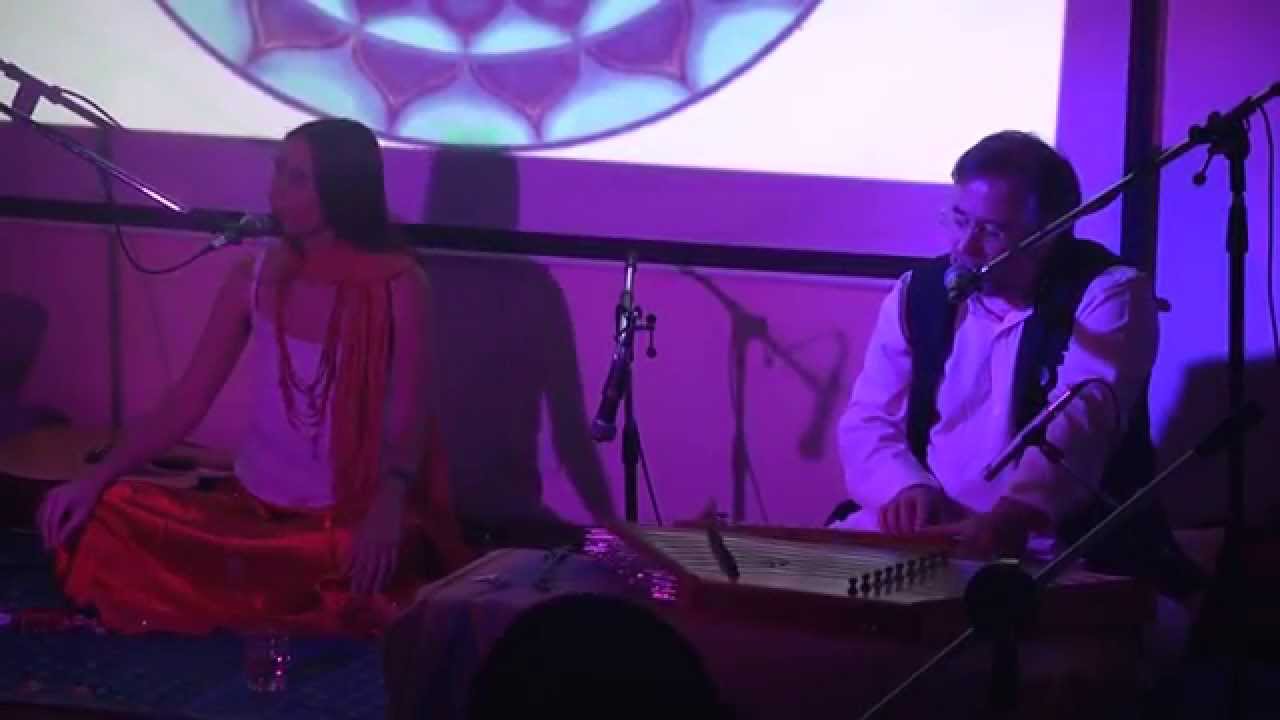
In a music library stacked with aspirational anthems and ego-centered narratives, Carolina Chrem offers something quieter, more fundamental: a four-minute invitation to forget yourself. The song's title—Enséñame la Humildad, or "Teach Me Humility"—is a prayer disguised as a petition. Not a demand. Not a claim. An asking.
The title itself carries the whole teaching. The speaker—listener, seeker, anyone—is asking for instruction in something that cannot be grasped by willpower or ego-driven striving. Humility, in the spiritual sense, isn't about self-deprecation or false modesty. It's a radical reorientation: the recognition that the separate, defended self is an illusion, and that wisdom, grace, and wholeness exist beyond the fortress of personality we've built to survive the world.
This is why the prayer takes the form it does. To ask for humility is to acknowledge that you don't have it, can't manufacture it, and need grace to receive it. There's a surrender baked into those four words.
Chrem released this song as part of the album El Regalo del Presente—The Gift of the Present—in 2012 on the Impar label. The album title itself points to what humility opens us toward: not the past (regret, conditioning), not the future (anxiety, grasping), but the present moment, where life actually occurs. This is a central teaching across contemplative traditions. When the ego quiets—when humility displaces the constant chatter of self-concern—the present becomes available. It becomes a gift.
The pairing is elegant. You can't receive the gift of now while armored in pride. You have to become small enough, quiet enough, to let it in.
Song is the oldest container for spiritual instruction. Before text, before doctrine, there was the voice and the melody—something that bypasses the analyzing mind and lands in the body, the heart. A four-minute song isn't an intellectual argument for humility. It's an invocation, a practice, a small ritual of asking.
The Spanish language carries its own resonance here. Humility and grace are woven through Catholic and Christian contemplative traditions in Spanish-speaking cultures, yes—but also through indigenous wisdom and the mestizo spiritual landscape of Latin America, where the sacred often emerges from what has been broken, colonized, displaced. There's a deep humility in that history, whether acknowledged or not. To sing about asking for humility in Spanish is to step into that terrain.
Here's the paradox that Chrem's title embodies: the moment you ask to be taught humility, you're already practicing it. You're admitting you don't know, don't have, can't do it alone. That admission—that vulnerability—is the threshold. It's the beginning of real transformation.
In many contemplative traditions, this is the first move. The Sufi says, "I know nothing." The Buddhist recognizes that clinging to a separate self is suffering. The Christian mystic empties the vessel so grace can pour in. The psalmist cries out, "Teach me." All the same gesture.
Most spiritual practice fails because people try to achieve humility, to perfect it, to earn it. They turn it into another ego project—"I'm going to be the most humble person here"—which is the opposite of humility. Chrem's song sidesteps that trap entirely. It doesn't claim humility. It asks for it. That's the work.
The song is brief by contemporary standards—just under four minutes. This brevity is itself a teaching. In a world of endless streaming, infinite content, relentless stimulation, Chrem offers something you can actually hold in your hands and heart. A prayer. A meditation. Not a podcast that rambles. Not a self-help manifesto. A moment.
That's enough. It has to be. Transformation doesn't come from more information. It comes from sincerity, from genuine asking, from the willingness to sit with the question even when no answer comes. Four minutes of asking, offered with intention, can crack something open that hours of thinking will only seal shut.
Contemporary spirituality often makes humility sound like a destination—something to arrive at, check off, move beyond. But humility isn't a summit. It's a practice, a daily return, a constant readjustment. The ego doesn't disappear; it gets wiser, more flexible, more honest about its own nature. Asking for humility isn't something you do once. You ask again tomorrow. And the next day.
This is where a song becomes useful. Unlike a book you finish or a teaching you graduate from, a song can become a practice. It can be returned to. Sung repeatedly. Internalized. Let it become a soundtrack for the small, ordinary humiliations and recognitions that happen when you're awake and paying attention—when you realize you were wrong, when you see your own defensiveness, when someone teaches you something, when you fail.
The song isn't about those moments. It's a container for them. It's practice ground.
Enséñame la Humildad works best not as a one-time listen but as a returning practice. Take it into meditation. Sing it aloud if you can. Let the Spanish settle in your mouth—the sounds matter. Notice what happens when you genuinely ask to be taught, rather than already knowing the answer. The gift isn't in the song itself, but in what you discover when you stop defending yourself long enough to truly listen.