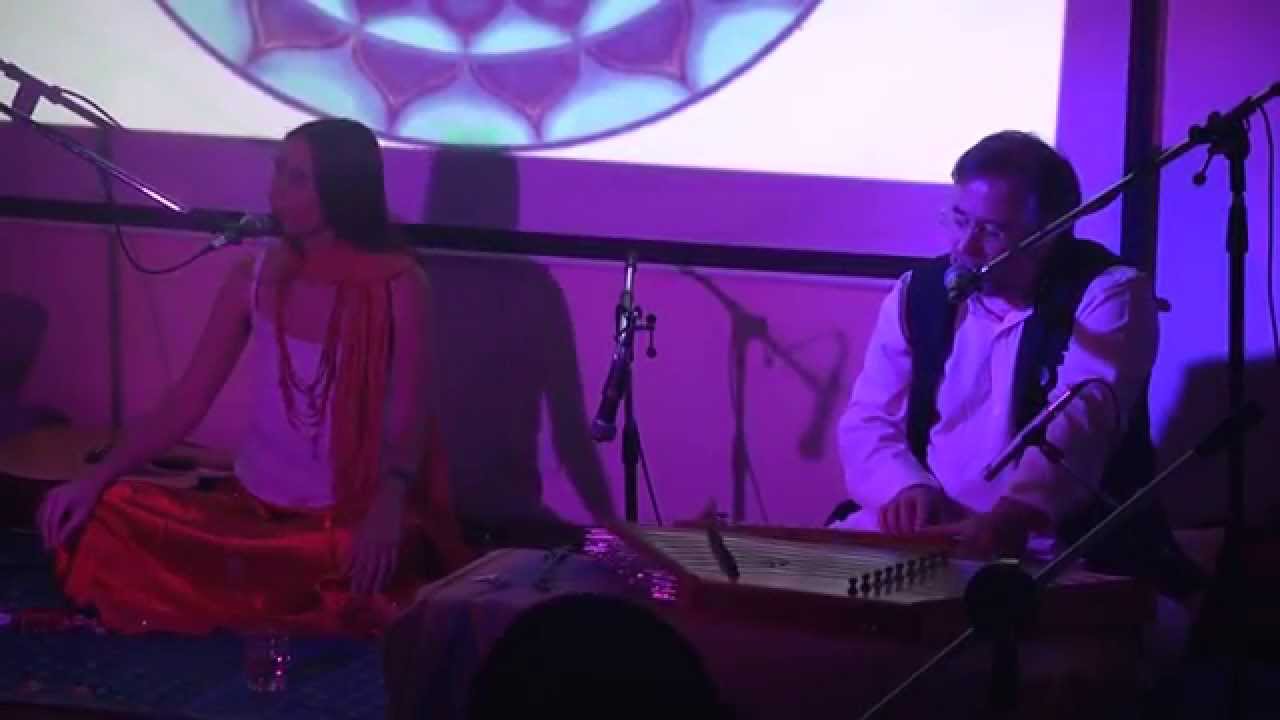
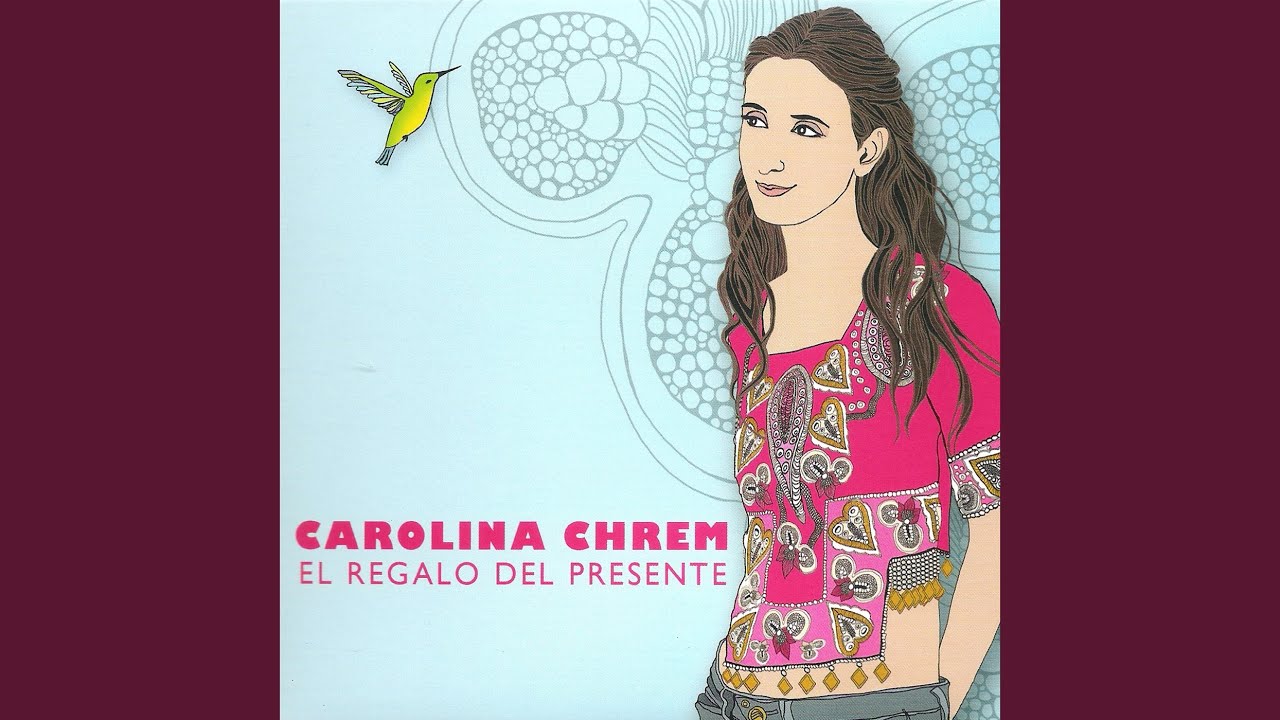
There is a philosophy embedded in a title. When Carolina Chrem named her 2012 album El Regalo del Presente—The Gift of the Present—she was making a claim about time, attention, and what it means to be alive. The present moment, in this framing, is not a neutral fact of existence; it is a gift, something to be received with gratitude and full awareness. Within that album sits a track called "Armoni," a piece whose very title points toward the unification that comes when you stop fracturing your attention across past regret and future anxiety, and instead tune yourself to the frequency of now.
In music, harmony is the sounding together of multiple tones to create something unified and coherent. But harmony is also a metaphor—perhaps the deepest one available in human experience—for a state of inner alignment. When the yogic and contemplative traditions speak of being in harmony, they mean something close to resonance: your thoughts, emotions, breath, and actions all vibrating at the same frequency, all pointing in the same direction. You are not at war with yourself. You are not negotiating with your own desires. You are, simply, unified.
This is harder to achieve than it sounds. Most people spend their waking hours in fragmentation. The mind rehearses what went wrong yesterday. The body tenses in anticipation of tomorrow. Meanwhile, the only place life actually happens—the only place anything can be felt, known, or transformed—is here, in this breath, in this moment. Yet we are almost never fully here. We are ghosts haunting our own lives.
The title The Gift of the Present proposes something radical: that this moment you are experiencing right now is not a problem to be solved or a waystation to be endured. It is a gift. Its very texture—the particular quality of light, the specific shape of your breath, the precise configuration of people and circumstance that surrounds you—is an offering. Not to be grasped at or hoarded, but to be received. Received with the openness of a child, without commentary, without the constant mental overlay that turns direct experience into a story about experience.
Music is perhaps the only human art form that cannot exist except in real time. A painting can be lingered over; you can step back and return to it. Literature can be reread, paused, picked up later. But music unfolds in irreversible time. To hear a note, you must be present for it. The moment the note sounds, it begins to fade. If you are lost in thought about the previous phrase or anxious about what comes next, you will miss the present note entirely. Music, in this sense, is a practice in presence. It is a discipline in attention.
The best musicians know this. A jazz musician does not play from memory alone; they play from presence. They listen to what their bandmates are playing in this instant, and they respond from that listening. A classical musician, even performing a work they have played a thousand times, must meet each performance freshly, must be alert to the particular acoustics of the room, the energy of the audience, the specific way their instrument feels today. The music demands presence. It will not tolerate a mind that is elsewhere.
This is why sacred music traditions across cultures—kirtan in India, chant in Tibet, vocalization in Sufism, gospel in the African diaspora—have always understood music as a spiritual technology. Not because the music itself is magic, but because sustained musical engagement trains the mind to stay present. It teaches the nervous system what it feels like to be here, now, without the constant narration of "I like this" or "I don't like this" or "what does this mean?" Just sound, breath, and the body moving through time together.
There is a counterfeit harmony that the world constantly offers: the harmony of social compliance, of fitting in, of becoming what others expect. This harmony is a prison dressed as peace. True harmony, by contrast, emerges from alignment with your own deepest nature. It is not a matter of forcing yourself into someone else's rhythm. It is a matter of discovering what your authentic rhythm is, and committing to it—which often means swimming against the current of what is comfortable or conventional.
An album titled The Gift of the Present invites the listener to consider: What would it mean to be truly present with yourself, not as you think you should be, but as you actually are? What would it mean to stop performing and simply be? This is not a sentimental or easy invitation. Presence is not always pleasant. Sometimes it brings you face to face with your own grief, fear, or loneliness. But it is authentic. It is real. And in that reality lies a kind of integrity that no amount of social success can provide.
Music becomes, in this context, a mirror. A piece like "Armoni" holds up a sonic reflection in which you can see yourself—not the image you have constructed, but the living, breathing reality of who and what you are in this moment. That reality, received without judgment, without the constant editorial voice of the ego, is the gift.
The contemplative traditions offer many methods: meditation, prayer, mantra repetition, conscious breathing. But music offers something unique: it is accessible, it is pleasurable, and it works with the same nervous system that is usually so caught up in anxiety and narrative. To sit and listen to music with full attention—not as background, not while doing something else, but as the primary activity—is to train the mind in presence. You are teaching your nervous system that it is safe to be here, that this moment deserves your full attention, that you don't need to be somewhere else right now.
This practice, repeated over time, begins to leach into the rest of life. You notice that you can be present while eating, truly tasting your food. You can be present in conversation, actually hearing what another person is saying rather than planning your response. You can be present while walking, feeling your feet on the ground. These small moments of presence accumulate. They become the texture of a life actually lived, rather than a life imagined in absence.
The gift of the present is always available. It is not something you need to earn or achieve. It is happening right now, whether you are paying attention or not. The only question is whether you will receive it. Whether you will show up, fully, for the only life you actually have—the life that is occurring in this very moment.
If this inquiry resonates, consider creating space for listening that honors both the music and your own presence. Find a quiet environment. Put away your devices. Let a piece of music be the sole activity—not an accompaniment to something else, but the primary event. Notice what arises when you listen this way: not just the sounds, but your own sensations, thoughts, and emotions as they appear and pass away. This simple practice—listening with full attention—is one of the most direct paths back to presence available in everyday life. The gift of the present is waiting.