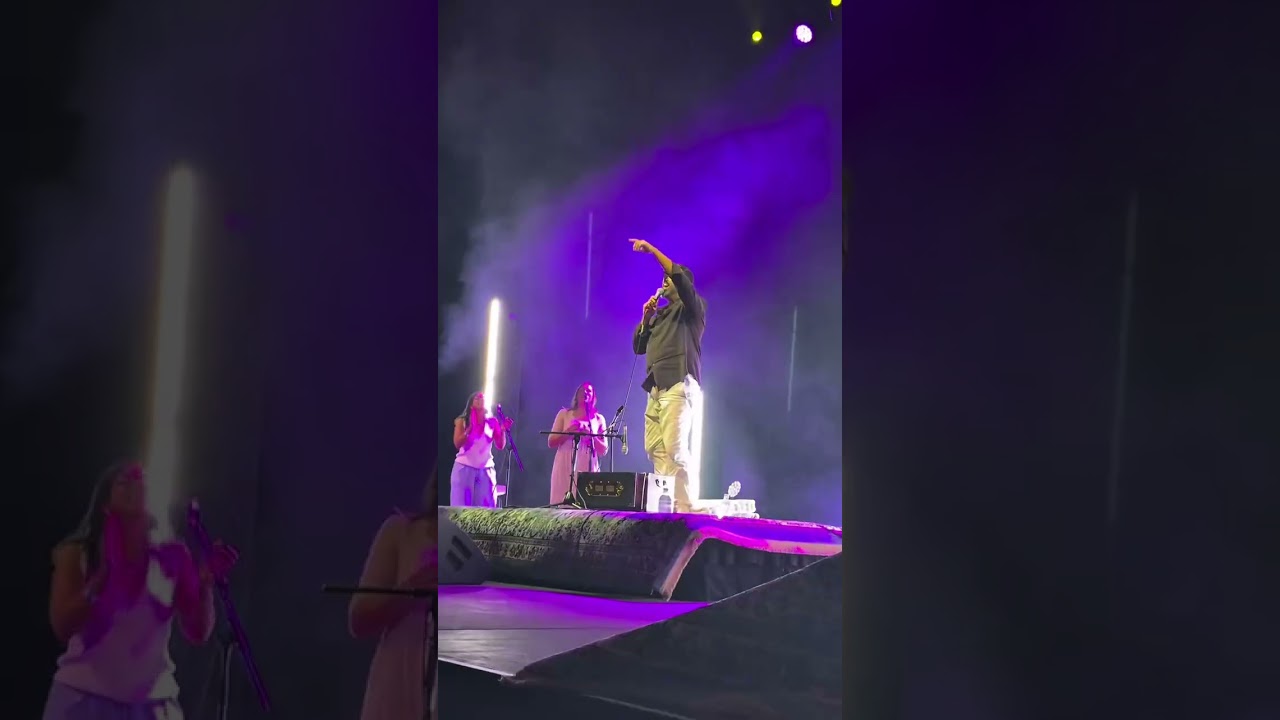
A song written in 1987 by environmental activist Betsy Rose finds new purpose in 2018 as Holy River reinterprets it for a focused, urgent cause: to oppose the Atlantic Coast Pipeline and Mountain Valley Pipeline threatening Virginia's land, forests, and water. In three minutes of video, the song distills a practice as old as protest itself—grounding yourself, opening yourself, refusing to be moved by forces that would extract what is sacred from the earth.
The tree metaphor Betsy Rose created is deceptively simple: roots dug down, branches wide open. Come down the rain. Come down the sun. Come down the fruit to the heart that is open. There is theology embedded in those lines—an invocation of reciprocal relationship with the natural world, a rootedness that does not break under pressure, a generative resilience that bears fruit even in struggle. Rose wrote these words in 1987, nearly a decade before climate change entered mainstream political conversation, at a time when environmental activism required both faith and foresight.
What makes Holy River's 2018 reinterpretation remarkable is not that they covered an older song—that is the oldest lineage in folk music—but that they chose to sharpen it into a tool for organized resistance. The video, filmed by Chris Damon and Kate Rivara from Good Day RVA and edited by Damon, is not a meditation on arboreal beauty or a feel-good environmental message. It is an explicit tool in service of the fight against two major pipeline projects that have threatened Virginia's ecosystems and communities for years. Virginians have resisted through courts, through forests, through the daily work of community organizing—and through music.
The tree metaphor gains force when you understand what it opposes. The Atlantic Coast Pipeline and Mountain Valley Pipeline projects are infrastructure designed to extract from the earth—from land, from water, from forests. To stand like a tree, in the face of that extraction, is not passive. Trees hold soil. Trees create the conditions for water to be held in the earth. Trees breathe out oxygen and live in relationship with all creatures that move through their branches. To stand like a tree is to say: I am rooted here. I will not be moved. I am open to the community that tends to me, but I will not be cut down. I will not allow extraction to proceed unchallenged.
The fact that Holy River sought and received Betsy Rose's permission and blessing before recording their version speaks to a lineage of environmental music that passes itself forward across generations. That 1987 song, nearly forgotten by mainstream culture, found wings in 2018 not through commercial success but through the commitment of people who needed its message for a specific fight, in a specific place. The video's production reflects this collaborative spirit. It was created in collaboration with the "water is life: protect it" project, filmed and edited by journalists at Good Day RVA, recorded and mixed by Patrick Bates. The credits alone tell a story of community gathering around a shared purpose.
At the end of the video comes a call to action: donate to the Interfaith Alliance for Climate Justice. This is not decoration. It is direction. It says: if you feel moved by this song, here is where your support can matter, here is where the resistance is organized and ongoing.
In the long arc of environmental songs that have moved communities to stand and resist, "Standing Like a Tree" occupies an honest place. It does not promise that resistance will be easy or that victory is assured. It promises something more essential: it helps you stand. It offers spiritual grounding for the long work of protection. It reminds you that roots matter, that openness matters, that being in community matters.
The genius of Rose's metaphor, carried forward in Holy River's reinterpretation, is that it works on multiple frequencies at once. Literally: it is about forests and water systems threatened by the proposed pipelines. Spiritually: it is about remaining grounded and open in the face of systems that would extract from the earth. Politically: it is about organized resistance to those systems. All three frequencies sound together, each one strengthening the others.
Since its 1987 composition, the song has lived where most powerful environmental music lives—not necessarily in the mainstream, but in the hearts of people who need it for their specific resistance. Holy River's 2018 version reaches the same people, but reaches them through a particular moment in Virginia's resistance history. The video does not generalize the struggle. It says: this is happening now. This is here. Your resistance, your music, your stand matters.
To support Virginia's water and forest protection, visit the Interfaith Alliance for Climate Justice at iacjva.org. Listen to Betsy Rose's original composition through betsyrosemusic.org. Explore the songs and stories of environmental protection in your own region—what resistance is happening in your watershed, your forest, your home? What songs does it need?