SportsCampFinder

Alle Camps durchsuchen

Find the perfect camp for your athlete

camps

Basketball Camps
Soccer Camps
Baseball Camps
Football Camps
Volleyball Camps
Lacrosse Camps
Multi-Sport Camps
Elite Training
Overnight Camps
Day Camps
Beliebte Reiseziele
BaliSedonaLos AngelesCosta RicaNew YorkSan FranciscoAustinMiamiJoshua TreeTulum
Alle Kategorien anzeigenAlle Reiseziele anzeigen

Alle Funktionen entdecken

Leistungsstarke Tools für Ihre Veranstaltungen

Plattform-Funktionen

Intelligente dynamische Preisgestaltung
Ticket-Kategorien
Sitzplatzreservierung
Warenkorbabbruch-Wiederherstellung
Besucher-Wiedergewinnung
Spenden & Staffelpreise
Affiliate-System
Ticket-Scanner
Rabattcodes
Individuelle Fragen
Ticket-Teilen
Upsells & Extras
Analysen & Berichte
E-Mail-Sequenzen
Warteliste / Benachrichtigen / Erinnern
Menschen & Orte
Camp OrganizersCamp FacilitiesKnowledge BaseInspiration
Alle Funktionen anzeigenÜber uns
PreiseBlog
Language
Saved events
Alle Veranstaltungen durchsuchen

camps

Basketball CampsSoccer CampsBaseball CampsFootball CampsVolleyball CampsLacrosse CampsMulti-Sport CampsElite Training

Beliebte Reiseziele

BaliSedonaLos AngelesCosta RicaNew YorkSan Francisco

Menschen & Orte

Camp OrganizersCamp FacilitiesKnowledge BaseInspiration

Plattform-Funktionen

Intelligente dynamische PreisgestaltungTicket-KategorienSitzplatzreservierungWarenkorbabbruch-WiederherstellungBesucher-WiedergewinnungSpenden & StaffelpreiseAffiliate-SystemTicket-ScannerRabattcodesIndividuelle FragenTicket-TeilenUpsells & ExtrasAnalysen & BerichteE-Mail-SequenzenWarteliste / Benachrichtigen / Erinnern
Alle Funktionen anzeigenÜber uns
PreiseBlog
AnmeldenParents & athletesCamp directors
  • Browse all camps
  • Basketball Camps
  • Soccer Camps
  • Baseball Camps
  • Football Camps
  • Volleyball Camps
  • Lacrosse Camps
  • Multi-Sport Camps
  • Elite Training
  • All sports →
  • Orlando
  • Los Angeles
  • New York Metro
  • Dallas / Fort Worth
  • Chicago
  • Phoenix / Scottsdale
  • Atlanta
  • Denver
  • Seattle
  • Boston
  • Houston
  • Philadelphia
  • San Diego
  • Minneapolis / St. Paul
  • Alle Städte →
  • List your camp
  • Camp director dashboard
  • Pricing
  • Coaches & academies
  • Online registration & payments
  • Waivers & medical forms
  • Check-in app
  • Family messaging
  • Waitlist & notify
  • Camp marketing
  • Reports
  • All features →
  • About SportsCampFinder
  • Camp guides
  • Help Center
  • Contact
  • Careers
  • Press
  • Nutzungsbedingungen
  • Datenschutzrichtlinie

Camps

  • Browse all camps
  • Basketball Camps
  • Soccer Camps
  • Baseball Camps
  • Football Camps
  • Volleyball Camps
  • Lacrosse Camps
  • Multi-Sport Camps
  • Elite Training
  • All sports →

Reiseziele

  • Orlando
  • Los Angeles
  • New York Metro
  • Dallas / Fort Worth
  • Chicago
  • Phoenix / Scottsdale
  • Atlanta
  • Denver
  • Seattle
  • Boston
  • Houston
  • Philadelphia
  • San Diego
  • Minneapolis / St. Paul
  • Alle Städte →

Für Camp directors

  • List your camp
  • Camp director dashboard
  • Pricing
  • Coaches & academies

Funktionen

  • Online registration & payments
  • Waivers & medical forms
  • Check-in app
  • Family messaging
  • Waitlist & notify
  • Camp marketing
  • Reports
  • All features →

Unternehmen

  • About SportsCampFinder
  • Camp guides
  • Help Center
  • Contact
  • Careers
  • Press
  • Nutzungsbedingungen
  • Datenschutzrichtlinie
SportsCampFinder
© 2026 SportsCampFinder. Alle Rechte vorbehalten.
Inspire

Island and Ocean: Unity Beyond the Ego in 1976

Satchidananda Ashram – Yogaville
Jan 26, 2020
7 Min. Lesezeit
Ansehen · 7

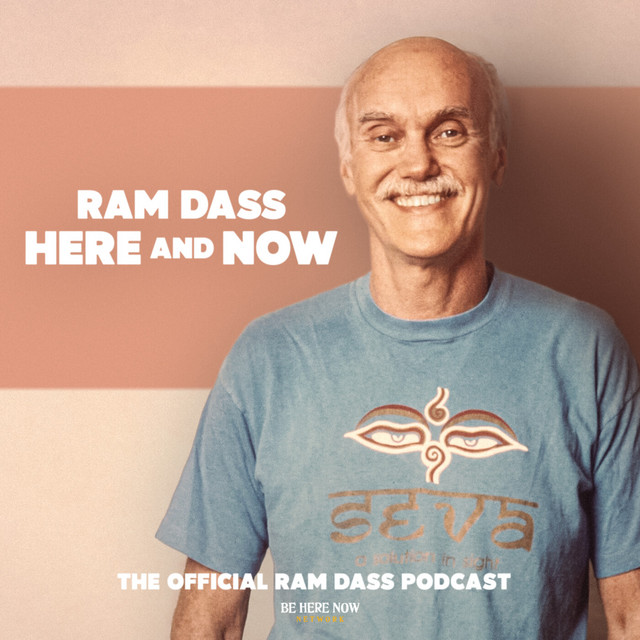
Everybody thinks they're an island, surrounded by ocean. But the ocean—the awareness that holds it all—is what you actually are. This was the image that animated the 1976 conversation between Swami Satchidananda and Ram Dass, two teachers who had arrived in America by vastly different routes and carried radically different lineages, yet spoke from the same understanding. The interview, conducted by moderator Bill Boggs in New York City, captures a moment when contemplative tradition was still arriving, still being translated, still meeting the American hunger for something deeper.

The island metaphor cuts to the heart of what both teachers saw as humanity's central predicament: the confusion of identity. "There's an evolutionary process of consciousness or spirit in which every human being is in some way returning to the one or returning to God or awakening," Satchidananda explained. Birth after birth, he suggested, consciousness cleans itself, awakens incrementally, until finally it realizes it is not the island—the separate self with its name and history and credentials—but the ocean itself.

Lesen · 5 Abschnitte

The Ocean and the Melodrama

When Boggs posed a practical question—how do you handle being stuck in traffic, heading toward an appointment you're now 45 minutes late for—Ram Dass offered a window into how this realization actually lived in the world. He spoke of sitting in the traffic jam and enjoying "the cosmic humor" of it. Not resignation, not passivity, but a kind of double consciousness: one part of him was Ram Dass, the body in the car, the personality with a reputation and a schedule. Another part was simply aware—watching the whole melodrama unfold without being caught in it.

"I'm sitting in the ocean," he said. "I'm no more Ram Dass than I am Bill Boggs. I'm just here." The distinction was crucial. He was still aiming to get to the studio on time. He wasn't indifferent to outcomes. But he was no longer clinging to them, no longer defining himself by whether he succeeded or failed. The drama continued—perfectly, with full involvement—but there was freedom in the gap between action and identity.

This gap, both teachers implied, is where real freedom lives. Your ego isn't the enemy; it's functional, like a suit that keeps you warm. "Your ego is a functional unit for defining the world and yourself in it," Ram Dass said. "But the difference is your ego's not the master, it's your servant. Your intellect's not your master, it's your servant."

Success Without the Burden of Being the Achiever

Boggs pressed on the question of ambition. How did Ram Dass address people still on the treadmill of achievement—those in the late '50s and early '60s when he himself had been chasing credentials and status?

The answer Ram Dass gave was radical in its ordinariness: you don't have to quit. "You can go on doing the dance you're doing perfectly," he said. "You can go on being a moderator, being Bill Boggs, being perfect in your game, in your way of life, in your involvement, and at the same time deepen your connection and become aware of who you are behind the whole thing without losing a step in it at all."

This wasn't spiritual escapism. The achievement continues. The responsibility remains. But the psychological weight of it—the belief that you are the achiever, that your worth depends on your success—dissolves. You become, as Ram Dass put it, "along for the ride." And that passenger consciousness is where freedom begins.

One Purpose, Many Containers

The conversation turned to religion and the historical bloodshed waged in its name. Both teachers offered the same diagnosis: people had mistaken the container for the content, the form for the essence. Satchidananda used a disarming metaphor. "If I ask you, 'What is the purpose of eating?' You all agree in one purpose. To stay alive. But if I ask you, what do you eat for that purpose?—you may say spaghetti, I may say pudding. And because of my liking to eat pudding, I develop a religion behind the pudding and say pudding is the only way that could satisfy the purpose. And because of your liking to eat spaghettis, you build a spaghetti religion. And the pudding and spaghetti fight."

Wars had been fought over the spaghetti versus the pudding, not because the goals differed—everyone wanted nourishment—but because people had confused their preference for the form with absolute truth about the goal. "They have not gone to the very depth of the religion," Satchidananda said. "They stick to the superficialities."

The actual depth of any genuine tradition, both teachers suggested, leads to the same place: the recognition that beneath all the seeking is a single hunger for happiness, for return to the wholeness that suffering seems to have taken away. "We were there happy once," Satchidananda said. "Somehow we lost it. And we want to get that happiness back."

The Silence Beyond Thought

Boggs read a passage from Ram Dass's recent book, Be Here Now: "Stop talking. Stop thinking and there is nothing you will not understand." How could someone who couldn't yet grasp the concept of a witnessing consciousness beyond thought actually access that teaching?

Satchidananda answered with pedagogical precision. Rather than tell someone immediately that they are awareness, he would meet them where they actually are. If someone identifies with their body, that becomes the starting point. If with their mind, that's where you begin. "We can take identify ourselves to be the body. Then I am white, I am black, I am fat, I am thin," he said. All those identifications are just the mind playing, mistaking itself for who you are.

To move beyond thought requires a practical method. Satchidananda offered breath work: sit quietly, follow your breath, and each time a thought arises—even the thought "I'm following my breath"—let it pass by "just as if you were watching leaves go down a stream." Do this for twenty minutes daily, he suggested, and you'll know from direct experience what no discussion could convey.

This teaching acknowledged something the interview kept circling: the gap between intellectual understanding and lived realization. You can know the words. You can understand the logic. But freedom isn't information—it's a shift in identification, a recognition that the one observing your thoughts is not itself a thought, and that this observer is your actual nature.

The Paradox of Service

Late in the conversation, both teachers returned to a theme that bound their work together: the possibility of complete engagement with the world married to complete non-attachment to outcomes. "We play whatever parts we have to play to bring ourselves and everything else to liberation," Ram Dass said, invoking the Sanskrit concept of dharma—duty, role, sacred function.

This is what allowed both of them to work tirelessly—Satchidananda to build an ashram, Ram Dass to teach, write, serve—without the spiritual bypassing that comes from pretending not to care. They cared completely. They were involved perfectly. But they weren't identified with being the one doing it.

The interview, recorded in 1976, captured two teachers at the height of their American influence, articulating a vision of spirituality that was neither world-rejecting nor world-affirming, but radically both. The island could be busy in the world; the ocean could be still and watching. And you are the ocean.

Comments

Loading the conversation…

Transcript

[0:24] Are we the same or is there a oneness in

[0:26] all humanity?

[0:27] Absolutely. Krishnamurti has a beautiful

[0:29] image. He says everybody thinks they're

[0:30] islands and there's the ocean all around

[0:33] the islands, but when you start to focus

[0:35] on the ocean

[0:36] and aware your identity is the ocean

[0:40] and you have an island, but that isn't

[0:41] who you are.

[0:43] You and I are the same ocean.

[0:45] Right? But we are busy with different

[0:47] islands. Now, you can either think

[0:48] you're the island or you can think

[0:50] you're the ocean. And the ocean is the

[0:51] awareness that surrounds it all. There's

[0:53] an evolutionary process of consciousness

[0:55] or spirit in which every human being

[0:59] is in some way returning to the one or

[1:01] returning to God or awakening or coming

[1:04] back into being conscious. They get lost

[1:06] in the separateness, in the island

[1:09] Mhm.

[1:09] forgetting the ocean and then through

[1:11] birth after birth after birth they keep

[1:13] cleaning up and awakening and awakening

[1:15] until finally they begin to realize

[1:16] they're the ocean and not the island.

[1:18] Essentially in the life of Christ then

[1:20] is Christ uh

[1:20] Christ said, you're not the island,

[1:22] you're the ocean. He says, look look,

[1:25] nail me up. I'll show you. It's no big

[1:27] deal. I'll drop it and then I'll come

[1:29] back because that is what it's about and

[1:31] he freed everybody, but nobody would

[1:33] listen.

[1:34] He said

[1:35] you know, that you aren't this, the

[1:37] kingdom of heaven is within you. Go in

[1:39] and find out who you really are.

[1:41] How have you come to deal with some of

[1:44] the things, I mean for for all for all

[1:46] of the wisdom or whatever we want to

[1:47] call it you've acquired on this journey

[1:49] to achieve a sense of who you are and

[1:52] and a great inner truth, how do you deal

[1:56] with

[1:57] things like uh

[1:59] being late?

[2:02] Being late?

[2:02] Being late.

[2:04] You know, Ram Dass is expected at the

[2:05] auditorium at 8:00 and he's caught in a

[2:07] traffic jam and he's going to be at

[2:10] least 45 minutes late. He's stuck in

[2:11] traffic. In a situation like that where

[2:13] many of us would rip the steering wheel

[2:15] off our car, what do you do?

[2:17] Uh enjoy the cosmic humor.

[2:20] Enjoy the

[2:21] of the predicament.

[2:22] Yeah. It's as if uh

[2:25] at one level you're like watching a

[2:27] moving picture of your own life

[2:29] unfolding.

[2:30] You're watching the melodrama unfold. I

[2:33] mean, the Ram Dass melodrama is just

[2:35] another drama.

[2:36] And behind it all I'm sitting in the

[2:38] ocean.

[2:39] All right? I'm no more Ram Dass than I

[2:41] am Bill Boggs. I'm just here.

[2:44] You are talking to this thing which you

[2:46] assume is me.

[2:47] But that's just this thing that was late

[2:49] in traffic.

[2:49] Mhm.

[2:50] Okay? And I can watch the whole process

[2:52] unfolding. Decay, death,

[2:55] birth, joy, happiness, suffering,

[2:57] sadness, the stuff of life, the stuff of

[2:59] late, being late, being early, being

[3:01] responsible, being irresponsible.

[3:03] Do you see

[3:03] And you're you're totally involved

[3:07] in the sense that you play it perfectly.

[3:09] You do it with total involvement, love,

[3:11] and compassion

[3:13] to relieve suffering of human beings.

[3:15] And at the same moment there's no

[3:17] clinging to it.

[3:18] It's as if I'm not clinging, I'm aiming

[3:21] to get to the studio in time,

[3:23] but I'm not clinging to it. If I don't,

[3:26] okay, I didn't.

[3:27] And how about ambition, Ram Dass? How

[3:29] about the How do you address yourself to

[3:32] those who are where you were back in the

[3:34] in the late '50s and early '60s, who are

[3:39] very committed to being a success or

[3:41] achieving?

[3:42] You can go on doing the dance you're

[3:45] doing perfectly without You can go on

[3:48] being a moderator, being Bill Boggs,

[3:50] being perfect in your game, in your way

[3:52] of life, in your involvement, and at the

[3:54] same time deepen your connection and

[3:57] become aware of who you are behind the

[3:59] whole thing without losing a step in it

[4:01] at all. In other words, the achievement

[4:03] goes on, but you cease to be identified

[4:06] with being the achiever.

[4:07] One's ego then must fall away in this

[4:09] process.

[4:10] is a functional entity. It's just like

[4:12] your suit. It keeps you warm. Your ego

[4:14] is a functional unit for defining the

[4:15] world and yourself in it. But the

[4:17] difference is your ego's not the master,

[4:19] it's your servant.

[4:21] Your intellect's not your master, it's

[4:22] your servant. Your emotions are your

[4:24] servant. Your body is your servant. And

[4:25] behind the servant, you are.

[4:28] So, you sort of sit. You're along for

[4:29] the ride, if you will. You're perfectly

[4:31] free. You're all It's that flip on the

[4:32] television receiver where you and I are

[4:34] always right here. You want to be a

[4:36] moderator, I'll be the guest. Okay? Now,

[4:39] who should we be?

[4:40] Yes.

[4:40] All right. We'll play whatever parts we

[4:41] have to play.

[4:43] Well, that's the dharma. We play

[4:44] whatever we need to play to bring

[4:46] ourselves and everything else to

[4:47] liberation.

[4:49] In terms of

[4:51] our spiritual fulfillment, there is not

[4:52] one true way, but there is no need for

[4:54] religion.

[4:54] Well, there is Ultimately, there is only

[4:56] one goal.

[4:57] The goal is

[4:58] Behind all these pursuits,

[5:01] everybody

[5:02] wants to be happy.

[5:04] Whatever they do, doesn't matter.

[5:06] Why do you feel in the history of man

[5:08] there have been so many wars over

[5:10] religion where people have fought and

[5:13] killed each other over religious

[5:14] beliefs?

[5:16] The egoism got into the religion also in

[5:18] the label.

[5:20] They said, "My label is the best."

[5:23] Nothing Excuse me.

[5:24] There's nothing They have not gone to

[5:27] the very depth of the religion.

[5:29] They have not understood the basic

[5:31] purpose of the religion.

[5:32] Mhm.

[5:33] And they stick to the superficialities,

[5:35] they say, "My way is the best."

[5:38] But if anyone has gone to the depth of

[5:41] the religion,

[5:43] they will never say that. It's something

[5:45] like If suppose I ask you, "What is the

[5:47] purpose of eating?

[5:49] You all agree in one purpose.

[5:50] To stay alive.

[5:51] Yes. That's all. But if I ask you, what

[5:54] do you eat for that purpose?

[5:57] Too probably too much and a lot of junk.

[5:59] You may say, oh, if you like spaghettis,

[6:01] you may say spaghetti. If I like

[6:03] pudding, I will say pudding.

[6:05] Then because of my liking to eat

[6:07] pudding, I develop a religion behind the

[6:10] pudding and say my mine is pudding

[6:12] religion and pudding is the only one

[6:14] that could satisfy the purpose.

[6:16] And because of your liking to eat

[6:18] spaghettis, you build a spaghetti

[6:19] religion.

[6:20] Yes.

[6:20] And the pudding and spaghetti fight.

[6:22] Yes, they do.

[6:24] And it's a terrible mess.

[6:25] None of us has really understood the

[6:27] purpose.

[6:29] And the purpose is?

[6:30] Purpose is to be happy.

[6:33] That's like That is the religion. If at

[6:35] all, what is the meaning of religion?

[6:39] To go back, to bind back

[6:41] what you have lost probably.

[6:43] Mhm.

[6:44] We were there happy

[6:46] once.

[6:47] Somehow we lost it. And we want to get

[6:50] that happiness back.

[6:53] From the back of Be Here Now by Ram

[6:55] Dass, I read this morning this on the

[6:56] value of silence, which I'd be curious

[6:58] to have both of you relate to. Stop

[7:01] talking.

[7:02] Stop thinking and there is nothing you

[7:05] will not understand.

[7:07] Elaborate on that a little bit.

[7:09] Well, because who is thinking and who is

[7:12] talking?

[7:14] It's the mind.

[7:15] It's not the real you.

[7:17] The real you seems to be witnessing

[7:20] everything

[7:21] without taking part in anything.

[7:23] How can an individual who intellectually

[7:25] might not be able to grasp that concept

[7:27] of the real you understand what you're

[7:29] saying? If you were to teach that, how

[7:31] would you explain

[7:31] That's it. That's why normally I don't

[7:33] go to the level of telling people that

[7:35] you are the real you,

[7:37] the awareness. Instead, I will place

[7:40] them as the mind.

[7:42] Because there are different places

[7:45] from which we are functioning. We can

[7:47] take identify ourselves to be the body.

[7:50] There comes I am white, I am black, I am

[7:52] fat, I am thin.

[7:53] Mhm.

[7:54] You identify yourself as the body. If

[7:56] you identify yourself as the mind, then

[7:58] you become professor,

[8:00] an ignorant, a fool, or this, or that.

[8:03] It's all connected with the mind.

[8:05] The sane or insane.

[8:07] Mhm.

[8:08] So, these are the two realms in which we

[8:10] always talk about.

[8:13] The wrong position, wrong place

[8:15] ourselves.

[8:16] From

[8:17] From From your experience, how can an

[8:19] individual recognize that part of them

[8:21] that is in fact attached?

[8:23] I would say that if you just sat down

[8:25] quietly

[8:27] and started to follow your breath,

[8:30] and every time you have a thought,

[8:32] even the thought I'm following my

[8:34] breath, or I wonder what's going to

[8:35] happen,

[8:36] you let the thought go by just as if you

[8:38] were watching leaves go down a stream,

[8:41] just letting the thoughts go by and keep

[8:44] returning back to the breath. And for

[8:45] just 20 minutes you follow your breath.

[8:48] That's all.

[8:49] You will know more than all the

[8:51] discussion we can have about how your

[8:54] own mind keeps creating stuff

[8:57] and the quiet space right behind your

[8:59] own mind.

[9:00] Right? Just experience it for yourself.

[9:02] It's as simple as that. That's what I

[9:04] would say.

[9:04] The mind is like a prankster who

[9:06] constantly still My mind keeps grabbing.

[9:08] It says, "Think of me. Think of me. I'm

[9:10] real. Think of me."

[9:11] Mhm.

[9:12] I'm one of those individuals who has

[9:13] difficulty doing that because when I try

[9:15] to remain silent, I can't let go of the

[9:17] thoughts. My mind will go off all of the

[9:19] sudden.

[9:19] the breath.

[9:20] I'm floating down the river with the

[9:21] thoughts, you

[9:22] That's because that's why you need

[9:23] what's called a primary object, like the

[9:25] breath. See, the instruction is keep

[9:27] coming back to your breath, which is a

[9:28] thought.

[9:30] Breathing in, breathing out. Breathing

[9:31] in, breathing out. But it's you pick one

[9:33] thought, and that gives you like a focus

[9:35] point, which allows you to see all the

[9:37] rest of the thoughts. Later, that one

[9:39] goes, too.

[9:40] Okay. Just say just

[9:41] Please please something like a catalytic

[9:43] agent.

[9:44] So, the

[9:45] Take for example

[9:46] a material is dirt.

[9:47] Mhm.

[9:49] And then, how do you get rid of the

[9:50] dirt?

[9:51] You buy a piece of dirt from the shop,

[9:54] which you call soap.

[9:56] Mhm. That's right.

[9:56] You apply that dirt with this dirt

[9:59] and let them come up in water.

[10:02] Mhm.

[10:03] And at right time, you just take the

[10:04] material out. The old dirt and the new

[10:07] dirt both remain in water.

[10:10] Uh

[10:10] So, all these practices are like this

[10:12] soap. Catalytic agent.

[10:14] That's right.

[10:15] Instead of holding to the other dirt,

[10:17] you hold to this beautiful,

[10:18] good-looking, nice-smelling dirt.

[10:26] There is a deep spirit here, and I think

[10:29] it's

[10:31] in some way like an initiation of

[10:35] of us recognizing

[10:37] that it's time.

[10:39] That it's time for us to acknowledge our

[10:44] our identity in the universe

[10:47] as um as instruments of peace and of

[10:49] healing.

[10:51] And of surrendering more deeply into

[10:53] that.

[10:55] Of realizing that we are in uh

[10:57] impeccable peace seer training

[11:00] as opposed to impeccable warrior

[11:01] training.

[11:03] And that um

[11:07] it's time to listen more deeply to the

[11:09] harmonies of the universe

[11:12] and to find our way into it.

[11:15] To honor our intuitive heart and to

[11:20] start to

[11:21] find that balance between heart and

[11:24] mind.

[11:27] Between form and formless.

[11:32] I think it's time to recognize that we

[11:34] are loved.

[11:37] And to allow ourselves to feel that we

[11:40] are loved.

[11:45] And to accept the power that that gives

[11:48] us

[11:49] to become instruments

[11:53] of that which is good in the universe.

[11:59] There are moments in everybody's life

[12:00] that are critical moments in which you

[12:02] start to turn.

[12:05] Let this be one of them.

[12:07] Thank you.

[12:22] Swami Satchidananda

[12:35] If we can live together for two three

[12:37] days like this,

[12:39] we can always live together.

[12:43] This itself is an example.

[12:49] And we all

[12:52] look for happiness.

[12:55] Every individual.

[12:57] Nobody wants to be unhappy.

[13:02] But all the great thinkers, sages, and

[13:04] saints have said

[13:07] that there is no happiness

[13:11] without finding peace in your heart.

[13:17] Then the question arose,

[13:19] where can I find peace?

[13:25] The answer is

[13:28] the you become totally selfless,

[13:32] totally dedicated,

[13:37] there is no end for your peace.

[13:42] I'm just quoting the Bhagavad Gita.

[13:49] Where is happiness for the peace-less

[13:51] person?

[13:54] And then,

[13:55] how to get peace? The answer is

[14:02] When your life is dedicated,

[14:04] and you are free from selfishness,

[14:08] and you break your little individuality,

[14:13] and feel that you are part of the whole,

[14:17] and you are here to serve others,

[14:20] and to bring happiness to others,

[14:25] then

[14:26] you have found happiness.

[14:30] So, let us raise above all these

[14:34] man-made

[14:36] differences

[14:38] in the name of race, religion, caste,

[14:40] creed, community,

[14:41] country, language, and color, and

[14:44] whatnot.

[14:48] See the one spirit in everybody,

[14:52] and not to miss every single opportunity

[14:57] to serve others, and to bring happiness

[14:58] to others,

[15:01] with all the possible ways.

Satchidananda Ashram – Yogaville
ArtistSatchidananda Ashram – Yogaville

Founded in 1980 by Swami Satchidananda, the yoga master who opened Woodstock, this 1,000-acre spiritual community along Virginia's James River serves as both a living ashram and th…

Profil ansehenWebsite
Themen erkunden
ConsciousnessNon-dualityEgoMeditationEnlightenment

Hast du Fragen?

Häufig gestellte Fragen

In this teaching, the island represents your individual self—body, name, personality, and history. The ocean is the underlying awareness or consciousness that exists beyond these separate forms. Spiritual awakening involves recognizing that your true identity is the witnessing awareness (ocean) that observes the personality (island), not the island itself.
Yes. Both teachers emphasized that you can continue your work, achieve your goals, and engage fully with your responsibilities—but without identifying yourself as the achiever. The key is maintaining an internal detachment from outcomes while playing your part perfectly. Your ego becomes a tool rather than your master.
According to Satchidananda, people confuse the form of a tradition (its rituals, beliefs, language) with its essential purpose, which is happiness and return to wholeness. Wars happen when people defend their preferred form—their 'pudding religion'—as if it were the only valid one, without understanding the deeper unity beneath all sincere spiritual paths.
Ram Dass described being stuck in traffic yet aiming to arrive on time while 'not clinging' to whether he'd make it. You act with full involvement and responsibility, but you release the need for a particular outcome to define your worth or identity. This allows you to be fully present and engaged without psychological suffering.
It means that true understanding comes from direct experience, not intellectual analysis. When you stop the constant chatter of mind—through practices like breath meditation—you can recognize the awareness that exists prior to and beyond thought. This witnessing consciousness is your actual nature, and it can't be grasped by thinking about it.
Meet people where they actually identify themselves. If someone identifies with their body, start there. If with their mind, use that as the entry point. Gradually guide them to recognize the observer of both body and mind, rather than jumping immediately to abstract teachings about consciousness that the intellect can't yet grasp.

Weiterlesen

More on Inspire

Alle anzeigen
The Ocean Beneath the Island: Two Teachers on Awakening
Inspire

The Ocean Beneath the Island: Two Teachers on Awakening

In 1976, two spiritual pioneers explore the unity beyond ego, the purpose of all paths, and how to live fully while identifying with what yo…

1 min read
The 1893 Speech That Changed Interfaith Dialogue Forever
Inspire

The 1893 Speech That Changed Interfaith Dialogue Forever

In 1893, a young Hindu monk's address to the World's Parliament of Religions became a watershed moment for global religious tolerance and in…

1 min read
Stories as Medicine: How Compassion Heals Division and Builds Connection
Inspire

Stories as Medicine: How Compassion Heals Division and Builds Connection

In this profound exploration of human connection, renowned spiritual teacher Jack Kornfield reveals how stories serve as medicine for our di…

1 min read
Walking the Tightrope: How to Serve Both Heaven and Earth Without Losing Your Balance
Inspire

Walking the Tightrope: How to Serve Both Heaven and Earth Without Losing Your Balance

Ram Dass reveals the spiritual challenge of our time: staying connected to divine consciousness while remaining present to human suffering a…

1 min read

Weiter erkunden

Setze deinen Weg fort

Mehr Weisheit und Zusammenkünfte aus dem BrightStar-Verzeichnis.

Mehr Artikel

Durchstöbere die ganze Bibliothek an Lehren, Interviews und Leitfäden.

Zu allen Artikeln →

Lehrer & Künstler

Entdecke die Linien, Musiker und Wegbegleiter der bewussten Welt.

Künstler erkunden →

Event finden

Kirtan, Retreats, Klangbäder, Atemarbeit, Festivals — bald in deiner Nähe.

Events ansehen →